



Gangotri Glacier Impact: Climate Change Alters Himalayan Water Systems

Gangotri Glacier Impact is becoming a pressing concern for scientists, policymakers, and millions of people who depend on the Ganga river for water, agriculture, and energy. Recent studies focusing on the Gangotri Glacier System (GGS) between 1980 and 2020 reveal that climate change is altering snowmelt patterns, shifting seasonal flows, and affecting long-term water availability. These findings underscore the vulnerability of Himalayan glaciers and their crucial role in sustaining the livelihoods of communities downstream.
Thank you for reading this post, don't forget to subscribe!Gangotri Glacier System and Its Significance
The Gangotri Glacier System is one of the largest and most important glaciers in the central Himalayas. It acts as a lifeline for the Ganga river, which supports millions of people across northern India. The glacier’s flow consists of snowmelt, glacier melt, rainfall-runoff, and base flow.
Historically, snowmelt has dominated this system, contributing about 64% of the annual flow. This balance ensured a steady supply of water throughout the year, vital for irrigation, drinking water, and hydropower projects in the region. However, climate shifts are now changing the glacier’s hydrological behavior in significant ways.
Changing Hydrological Composition
Over the last four decades, the hydrological composition of the GGS has seen notable transformations. Between 1980 and 1990, snowmelt accounted for around 73% of the annual flow. By 2010–2020, that figure dropped to 63%.
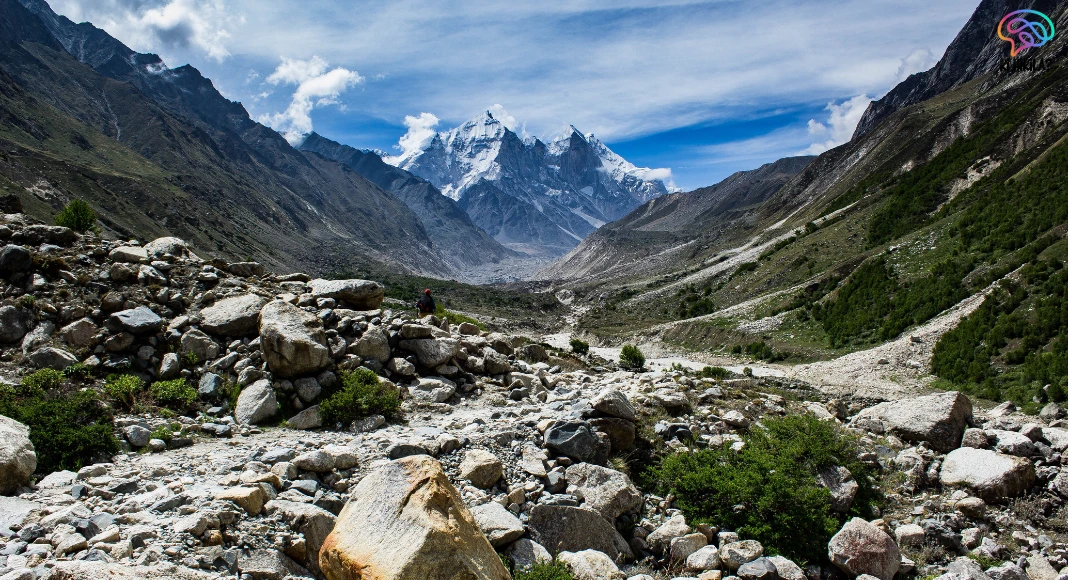
Meanwhile, glacier melt contributes 21%, rainfall-runoff accounts for 11%, and base flow makes up 4%. Interestingly, during 2010–2020, there was a temporary increase in snowmelt proportion due to colder winters and higher winter precipitation, which added more snow. Despite this short-term boost, the long-term trajectory suggests a continued decline in snowmelt’s role in sustaining river flow.
Rising Temperatures and Their Effects
One of the clearest markers of Gangotri Glacier Impact is the rise in regional temperatures. Mean temperatures in the GGS area increased by about 0.5°C between 2001–2020 compared to 1980–2000.
This warming trend has triggered earlier summer melting, shifting the peak river discharge from August to July. Such seasonal shifts can severely affect water availability. For example, farmers depending on consistent late-summer flows for irrigation may face shortages, while hydropower projects could struggle to optimize generation due to fluctuating water levels.
Declining Snow Cover and Glacier Retreat
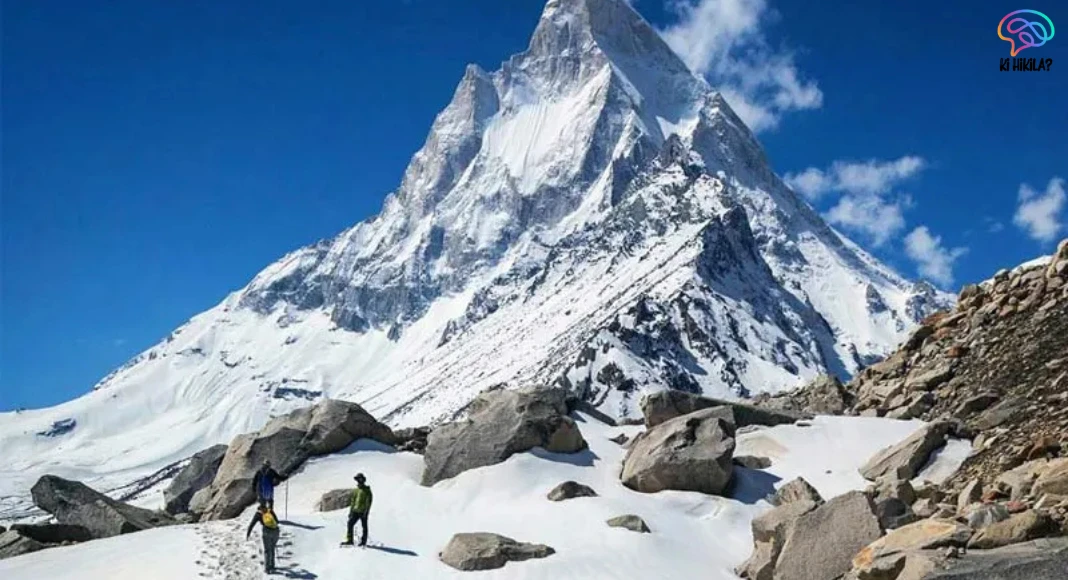
Another critical sign of the Gangotri Glacier’s vulnerability is the shrinking snow cover. As warming continues, snowmelt volume decreases, and glacier thickness is shrinking at an alarming rate of about 46 centimeters per year.
The snout of the glacier, its visible endpoint, is retreating steadily—clear evidence of long-term ice loss. Although rainfall-runoff and base flow have slightly increased to compensate, they cannot fully balance the decline in snowmelt. This loss poses long-term threats to both ecosystems and human societies reliant on glacier-fed waters.
Implications for Water Security in the Ganga Basin
The Gangotri Glacier Impact extends far beyond the glacier itself. For millions living in the Ganga basin, the altered flow patterns mean uncertainty in water supply. Earlier peak discharge during July may lead to water shortages in late summer when demand is high.
Reduced snow accumulation also affects dry-season flows, creating difficulties for communities relying on consistent water access. For agriculture, the changes can result in reduced crop yields due to irrigation shortfalls. Similarly, hydropower generation, which depends on steady glacier-fed river systems, faces risks from the shifting water cycle.
A Wider Message for Climate Change and the Himalayas
The story of the Gangotri Glacier reflects the broader reality of Himalayan glaciers under climate stress. These glaciers are often called the “water towers of Asia,” feeding major rivers that sustain millions of lives. The ongoing transformations in the Gangotri system highlight how even small temperature rises can cause cascading effects across water security, food supply, and energy production.
Researchers emphasize that continued monitoring is essential. Advanced satellite imaging, long-term climate models, and ground-based measurements will be key to predicting future changes and preparing adaptive strategies for vulnerable communities.
Future Outlook for Policy and Adaptation
Understanding the Gangotri Glacier Impact is vital for shaping effective policy responses. Water resource planning, agricultural practices, and hydropower management must account for earlier melt seasons and reduced snowmelt contributions.
Governments and local authorities need to strengthen adaptive measures such as improved irrigation efficiency, water storage systems, and diversified energy strategies to mitigate risks. Community-level awareness programs and regional cooperation in the Himalayan belt can also play a major role in tackling the shared challenge of glacier decline.
Key Takeaway
The Gangotri Glacier stands as both a warning and a lesson about the urgency of addressing climate change. Its changing patterns remind us that the impacts of global warming are not distant future scenarios but current realities affecting millions. By studying and responding to the Gangotri Glacier Impact, scientists and policymakers can not only safeguard vital resources for India but also contribute to global understanding of how to manage fragile ecosystems in a warming world.