India’s First Green Ammonia Project: Kakinada Emerges as Global Clean Energy Hub

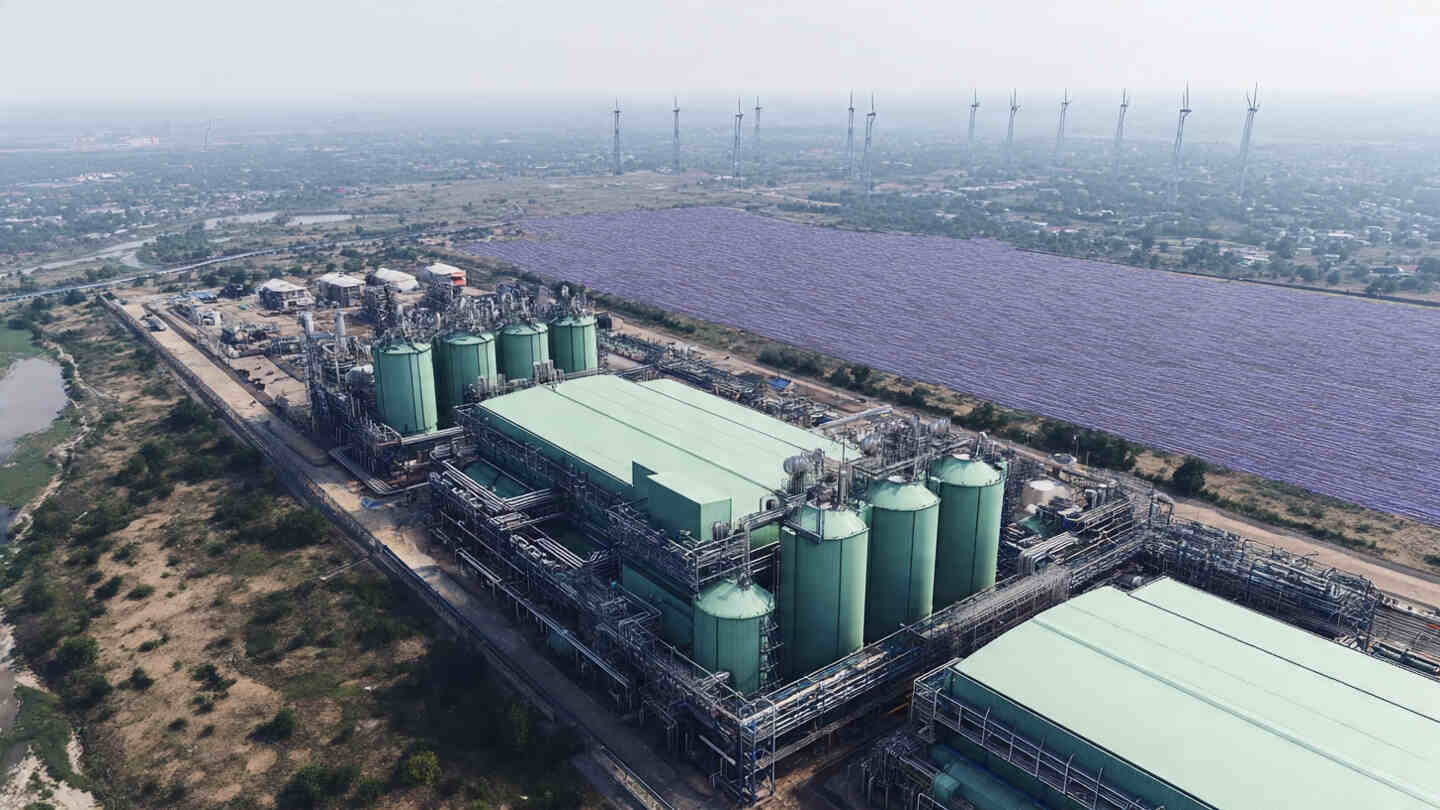
India’s First Green Ammonia Project has officially begun its journey in Kakinada, Andhra Pradesh, with Chief Minister N. Chandrababu Naidu laying the foundation stone on Saturday. The project is a major milestone in India’s clean energy ambitions and positions Andhra Pradesh as a key player in the global renewable energy landscape. The initiative will see large-scale production of green hydrogen and green ammonia, making Kakinada a future hub for eco-friendly energy solutions.
Thank you for reading this post, don't forget to subscribe!World’s Largest Green Ammonia Project in Kakinada
The AM Green project is being developed as the world’s largest green ammonia facility. It is expected to produce 1.5 million tonnes of green ammonia annually by June 2027. The majority of this production is planned for export to Germany, highlighting Andhra Pradesh’s strategic role in the international green energy market.
The Chief Minister emphasized that this project is more than a local development. It represents India’s growing influence in the global clean energy supply chain. Kakinada is being positioned as a ‘Green Hydrogen Valley’, which will serve as a model for other states and countries looking to invest in renewable energy technologies.
Massive Investment and Renewable Energy Goals
Deputy Chief Minister Pawan Kalyan revealed that the combined green hydrogen and green ammonia plants would attract an investment of nearly ₹84,000 crore. This significant financial commitment reflects both the potential of green energy and Andhra Pradesh’s commitment to sustainable development.
Chief Minister Naidu also highlighted the State’s priority on renewable energy sources such as solar, wind, and pumped storage projects. Andhra Pradesh has set a target of producing 160 GW of green energy, aligning with India’s national goal of achieving 500 GW of renewable energy capacity. These targets underline the State’s long-term vision of becoming a national and global leader in clean energy production.
Environmental and Agricultural Benefits
One of the key advantages of India’s first green ammonia project is its environmental impact. Unlike traditional ammonia production, which relies on fossil fuels, green ammonia is produced using hydrogen derived from renewable energy sources. This process significantly reduces carbon emissions, contributing to climate change mitigation.
Naidu also pointed out the project’s agricultural benefits. Green ammonia is a key ingredient in eco-friendly fertilizers, which can help improve soil health and enhance crop productivity. By producing green ammonia domestically, India can strengthen its fertilizer security, reduce dependence on imports, and support sustainable agriculture practices across the country.
Power Sector Reforms Encourage Investment
The Chief Minister noted that Andhra Pradesh has become power-surplus thanks to recent power sector reforms. This surplus electricity, particularly from renewable sources, creates a favorable environment for investments such as Google’s AI data center in Visakhapatnam.
Additionally, the State government is working on futuristic initiatives like drone ambulance services and drone taxis, which are expected to be operational within a year. Quantum computing services are also planned to start in Amaravati within the next six months, further boosting Andhra Pradesh’s position as a technology-friendly and innovation-driven state.
Kakinada: India’s Green Hydrogen Valley
Kakinada is being developed as a Green Hydrogen Valley, with a focus on producing both green hydrogen and green ammonia at scale. This development will not only support domestic industries but also position India as a global exporter of clean energy solutions. By creating infrastructure for green energy, Andhra Pradesh is setting the stage for industrial growth, technological advancements, and international collaboration in the renewable energy sector.
The Chief Minister stressed that the project represents more than just economic benefits. It is a symbol of Andhra Pradesh’s leadership in embracing sustainable and environmentally friendly technologies, providing a roadmap for other regions to follow.
India’s Renewable Energy Vision
India has set ambitious goals for renewable energy production. The national target of 500 GW of renewable energy capacity aims to reduce carbon emissions, enhance energy security, and promote sustainable development. Andhra Pradesh’s commitment to generating 160 GW of green energy demonstrates its proactive approach to achieving these targets.
Projects like India’s first green ammonia plant play a crucial role in meeting these objectives. By leveraging solar and wind power for hydrogen production, the project supports a cleaner, more sustainable energy ecosystem. Moreover, the global export potential of green ammonia highlights India’s capability to lead in the international green energy market.
Future Technology and Innovation
The green ammonia project is also closely linked with technological and industrial innovation. By integrating modern technologies such as quantum computing and drone services, Andhra Pradesh aims to create a futuristic ecosystem that combines clean energy, technology, and smart infrastructure. This approach not only attracts investment but also creates jobs, enhances industrial competitiveness, and supports scientific research and development.
Strengthening India’s Position Globally
With India’s first green ammonia project, Andhra Pradesh is sending a strong message to the world. The State is committed to clean energy, sustainable agriculture, and technological innovation. By producing green ammonia at a large scale and exporting it internationally, India is emerging as a global player in renewable energy.
This project sets a benchmark for future clean energy initiatives, demonstrating how government support, strategic investments, and modern technology can work together to create sustainable solutions. As Kakinada develops into a Green Hydrogen Valley, India’s reputation as a leader in renewable energy and environmental sustainability will continue to grow.