


300-Year-Old Giant Black Coral New Zealand: A Rare Deep-Sea Discovery

300-Year-Old Giant Black Coral New Zealand has amazed marine scientists after being discovered in the deep waters off Fiordland. This extraordinary find sheds light on the richness of the ocean’s biodiversity and emphasizes the need to protect fragile marine ecosystems that take centuries to form.
Thank you for reading this post, don't forget to subscribe!Discovery in Fiordland’s Deep Waters
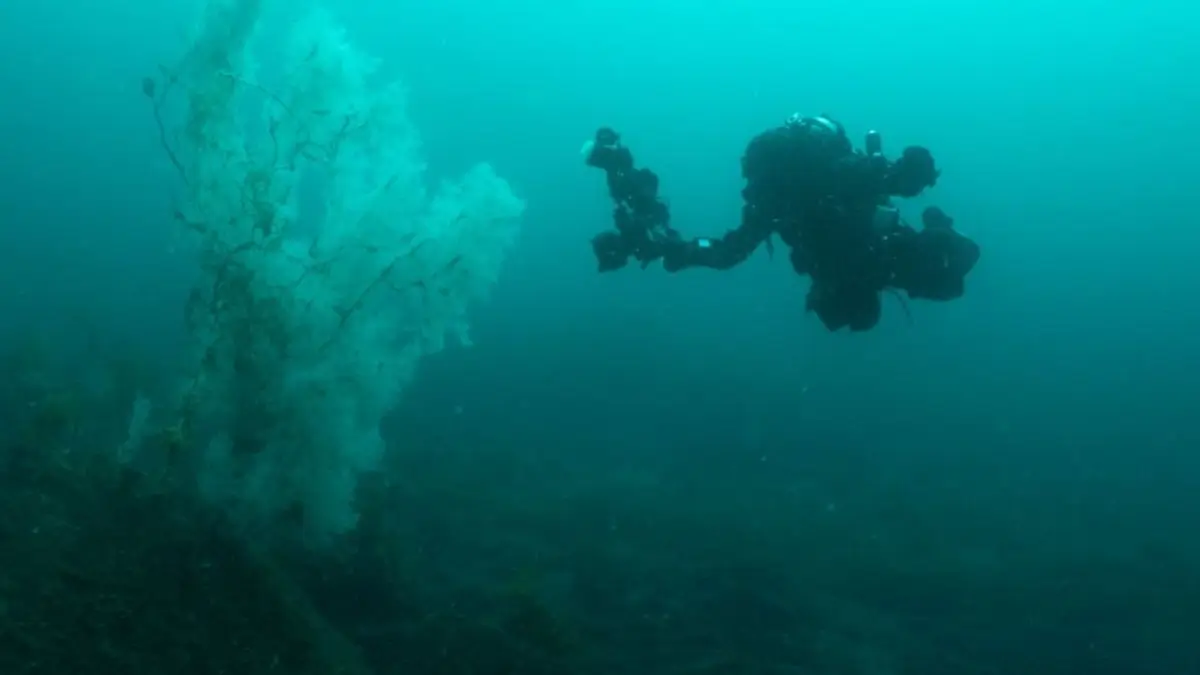
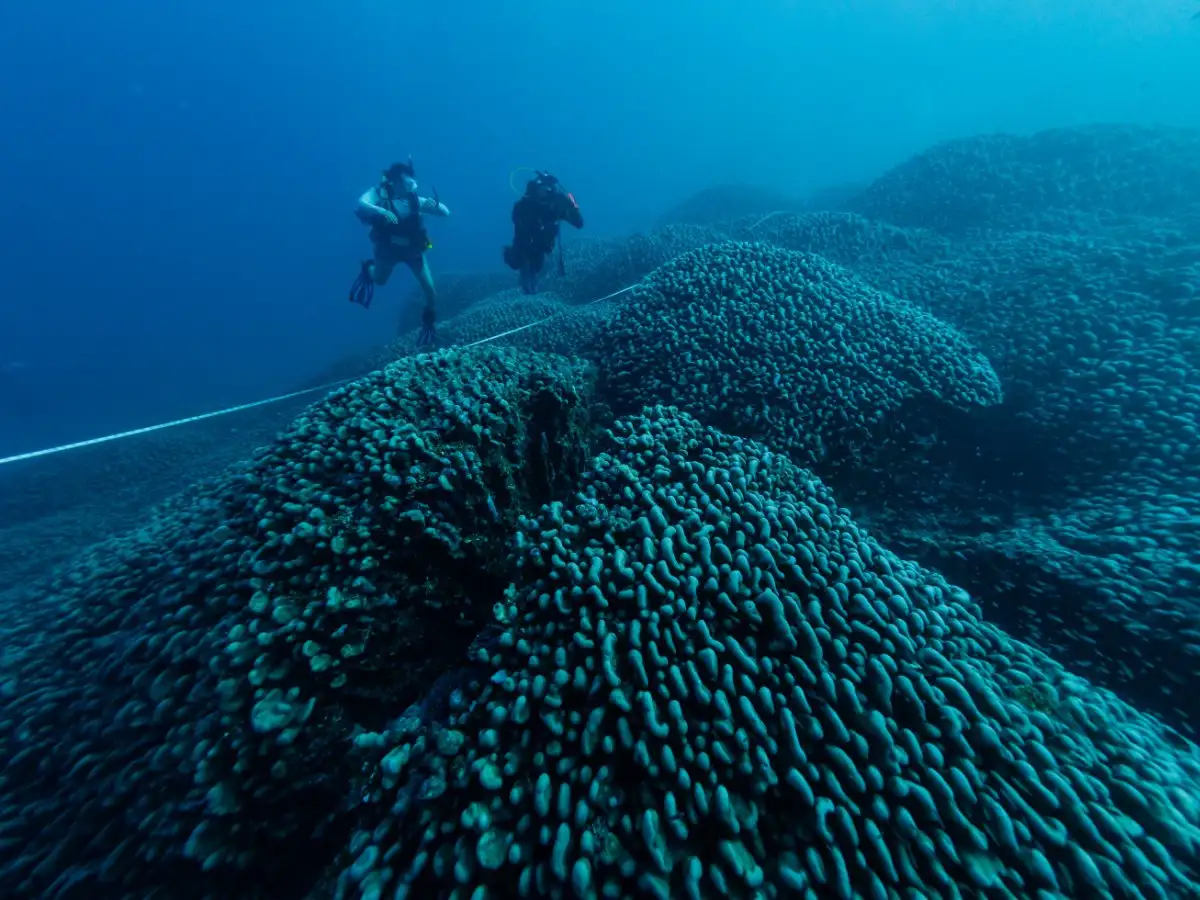
The giant black coral was found during a deep-sea exploration led by a team of researchers from Victoria University of Wellington. The dive took place in the remote and deep waters of Fiordland, a region known for its steep underwater cliffs and unique marine life. The coral measures more than 13 feet in height and nearly 15 feet across, making it the largest black coral ever recorded in New Zealand.
Experts estimate that the coral is between 300 and 400 years old. This means it started growing long before modern New Zealand settlements existed. Its massive size and age make it an extremely rare example of a long-lived deep-sea organism.
Scientific Significance of the Find
Marine biologists say this discovery is highly significant because such large black corals are uncommon. Typical black corals are usually much smaller and grow slowly over decades. James Bell, a marine biologist involved in the study, described the coral as “extraordinarily large” compared to others of its kind.
Old black corals like this one are important for understanding deep-sea ecosystems. They act as breeding and nursery grounds for other slow-growing marine species. The size and age of the coral also provide clues about ocean conditions over centuries. For instance, the coral’s survival suggests that Fiordland’s waters have remained stable enough to support such long-lived species.
Unique Features of Black Coral
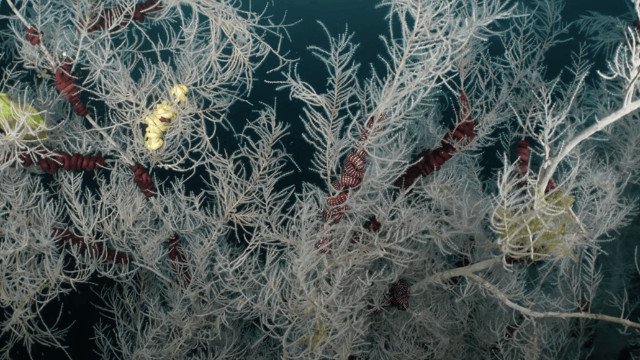
Although called black coral, the living coral appears white due to its living tissue. Only the skeleton underneath is black. Black corals are slow-growing and can live for hundreds of years, making them some of the oldest organisms in the ocean.
These corals are not just important for marine life but also have historical and cultural significance. In several cultures, black coral has been used for jewelry and traditional medicine. However, because they grow slowly, they are extremely vulnerable to human activity such as fishing, anchoring, or collecting.
Role in Marine Ecosystems
Giant black corals play a crucial role in deep-sea ecosystems. They provide shelter for small fish, invertebrates, and other marine species. Their complex structure helps sustain biodiversity in regions where food and shelter are limited. Without such corals, many deep-sea species would struggle to survive.
The discovery of such a large coral also helps scientists study how ecosystems develop over long periods. By examining the coral’s growth patterns, researchers can better understand changes in water quality, temperature, and other environmental factors over centuries.
Conservation and Protection Measures for 300-Year-Old Giant Black Coral New Zealand
The discovery of the giant black coral highlights the importance of protecting fragile ocean habitats. Large coral colonies are easily damaged by human activity. Anchoring boats, trawling fishing gear, or seabed disturbances can harm these ancient organisms.
In New Zealand, black corals are protected under the Wildlife Act. It is illegal to remove, collect, or damage them. Scientists stress the importance of mapping the locations of large coral colonies so that they can be safeguarded from accidental harm. Preserving such corals ensures the survival of deep-sea species that depend on them for food and shelter.
Global Importance of 300-Year-Old Giant Black Coral New Zealand
Black corals are found in deep waters around the world. Their slow growth, long lifespan, and ecological importance make them valuable indicators of ocean health. Protecting these corals is not just a local concern but a global one. Healthy deep-sea ecosystems contribute to overall marine biodiversity, climate regulation, and the sustainability of fisheries.
The giant coral in Fiordland provides a rare opportunity for researchers to study deep-sea life in its natural habitat. Its age and size make it a living record of centuries of ocean conditions. Every branch of this coral holds data that could help scientists predict how oceans will respond to climate change and human impacts in the future.
Inspiring Deep-Sea Exploration of 300-Year-Old Giant Black Coral New Zealand
Discoveries like the 300-year-old giant black coral in New Zealand inspire further exploration of the deep sea. Many parts of the ocean remain unexplored, and scientists believe that other ancient corals, unknown species, and unique ecosystems may still exist in the depths. Each discovery reminds us of the vast unknowns of the ocean and the responsibility humans have to protect it.
By studying and conserving these ancient organisms, researchers hope to maintain the delicate balance of marine ecosystems. The giant black coral is not only a scientific treasure but also a symbol of resilience, showing how life can thrive in the deep sea for centuries despite the challenges of a changing planet.