



Brain-Eating Amoeba Kerala: A New Public Health Challenge

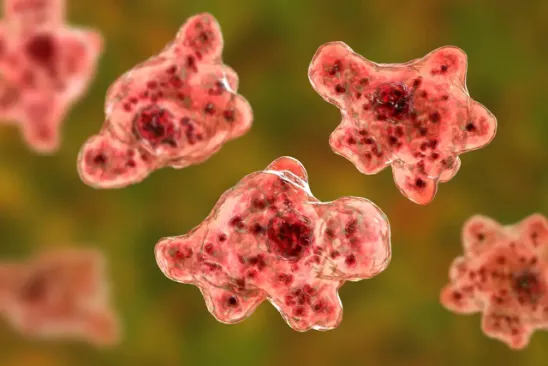
Brain-Eating Amoeba Kerala became a national headline when a sudden surge of fatal brain infections gripped Kozhikode and nearby districts. The culprit, Naegleria fowleri, a rare yet deadly amoeba, raised alarm not only in Kerala but across India. Known as the “brain-eating amoeba,” this pathogen thrives in warm freshwater and can infect humans when contaminated water enters through the nose. The 2024 outbreak marked a significant health crisis, testing Kerala’s robust public health system and sparking debates on climate change, cultural practices, and healthcare preparedness.
Thank you for reading this post, don't forget to subscribe!What Is Naegleria Fowleri?
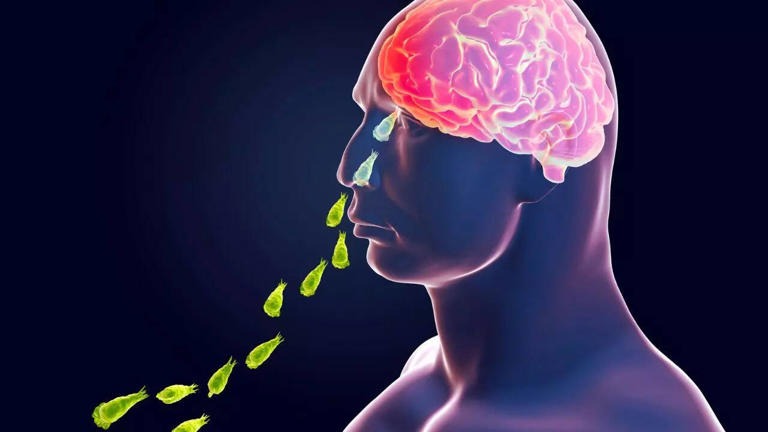
Naegleria fowleri is a free-living amoeba commonly found in warm freshwater bodies such as ponds, lakes, rivers, and even poorly maintained wells. The organism is microscopic yet lethal. Once it enters the body through the nasal passages, usually during swimming, bathing, or rinsing, it migrates to the brain. There, it destroys brain tissue, causing a rare condition called primary amoebic meningoencephalitis (PAM).
The disease is devastatingly fast, with symptoms like headache, fever, nausea, and seizures appearing within days. If left untreated, it rapidly progresses to coma and death. The global fatality rate exceeds 97%, making it one of the deadliest infections known. Since its first identification in Australia in 1965, cases have been reported worldwide, particularly in regions with warm climates. Kerala, which recorded its first case in 2016, saw an unprecedented spike in 2024.
Brain-Eating Amoeba Kerala: The 2024 Outbreak
The 2024 outbreak shocked Kerala with 29 confirmed cases of Naegleria fowleri infections, mostly concentrated in the southern districts. What made this outbreak unique was not only its scale but also Kerala’s unexpected success in saving patients. Out of the 29 cases, 24 patients survived, a significant contrast to the grim global fatality rate.
This achievement was credited to aggressive treatment protocols, especially the timely administration of miltefosine, an anti-parasitic drug repurposed for treating PAM. Still, five fatalities underscored the danger of delayed diagnosis and limited awareness.
Investigations traced infections to contaminated water sources—ponds, tanks, and even wells—where people often engaged in activities like bathing or rinsing. Worryingly, unsafe practices such as sniffing water mixed with tobacco powder also facilitated the amoeba’s entry into the nasal cavity.

Why the Sudden Surge?
Health experts have identified a combination of factors fueling the rise in cases:
- Climate Change: Rising temperatures across Kerala create the perfect environment for Naegleria fowleri to thrive in freshwater bodies. Longer summers and warmer nights increase the risk of amoebic growth.
- Environmental Pollution: Sewage discharge and organic waste contaminating rivers and ponds provide nutrient-rich conditions that support amoeba survival.
- Cultural Practices: Kerala’s traditional reliance on ponds and wells for bathing and other rituals brings people in direct contact with untreated water. This exposure dramatically increases infection risks.
These factors, acting together, point to a changing ecological landscape where pathogens like Naegleria fowleri can emerge more frequently.
Brain-Eating Amoeba Kerala and Healthcare Response
Despite the severity of the outbreak, Kerala’s healthcare system demonstrated resilience. The state quickly expanded its diagnostic capabilities by establishing a new public health laboratory in Thiruvananthapuram. This allowed quicker confirmation of suspected cases, reducing the time to initiate treatment.
Doctors and healthcare workers received specialized training to identify early symptoms of PAM, which often resemble common infections like meningitis. Kerala’s prior experience in handling outbreaks such as the Nipah virus also proved invaluable. Lessons learned from those crises improved emergency response, patient isolation, and communication strategies.
Still, the outbreak placed significant pressure on hospitals and highlighted the limits of even Kerala’s strong healthcare network. Limited drug availability, high costs of intensive care, and the psychological burden on communities emphasized the need for sustained preparedness.
Brain-Eating Amoeba Kerala: Broader Public Health Implications
The spread of the amoeba beyond traditional habitats like ponds into wells, water tanks, soil, and even dust particles signals an unsettling trend. Scientists warn that global warming and changing weather patterns are expanding the ecological niches of dangerous microbes. What was once a rare tropical pathogen is now being detected in more regions worldwide.
For Kerala, which has successfully controlled traditional diseases like cholera and malaria, the rise of such emerging pathogens poses a new set of challenges. The outbreak underscores the fragility of past health gains in the face of ecological change. Public health experts argue that Kerala must now adopt a more integrated health strategy, combining environmental monitoring, community awareness, and medical readiness.
Brain-Eating Amoeba Kerala: Community Awareness and Prevention
Ultimately, prevention remains the strongest weapon against Naegleria fowleri. Public health campaigns in Kerala are now focusing on:
- Avoiding swimming or bathing in untreated ponds and rivers during hot months.
- Ensuring water from wells and tanks is chlorinated and properly maintained.
- Discouraging risky practices like sniffing untreated water.
- Educating communities about early symptoms to encourage immediate medical consultation.
The emphasis is shifting from purely medical intervention to community-driven vigilance.
Kerala’s encounter with the brain-eating amoeba shows how even regions with advanced healthcare systems remain vulnerable to emerging threats shaped by climate change and human practices. The outbreak not only tested medical preparedness but also highlighted the importance of environmental safety and public awareness. As pathogens evolve with shifting ecosystems, Kerala’s experience serves as both a warning and a lesson in resilience.