


Kariba Floating Solar Project: Zimbabwe Plans 500 MW Clean Energy Boost

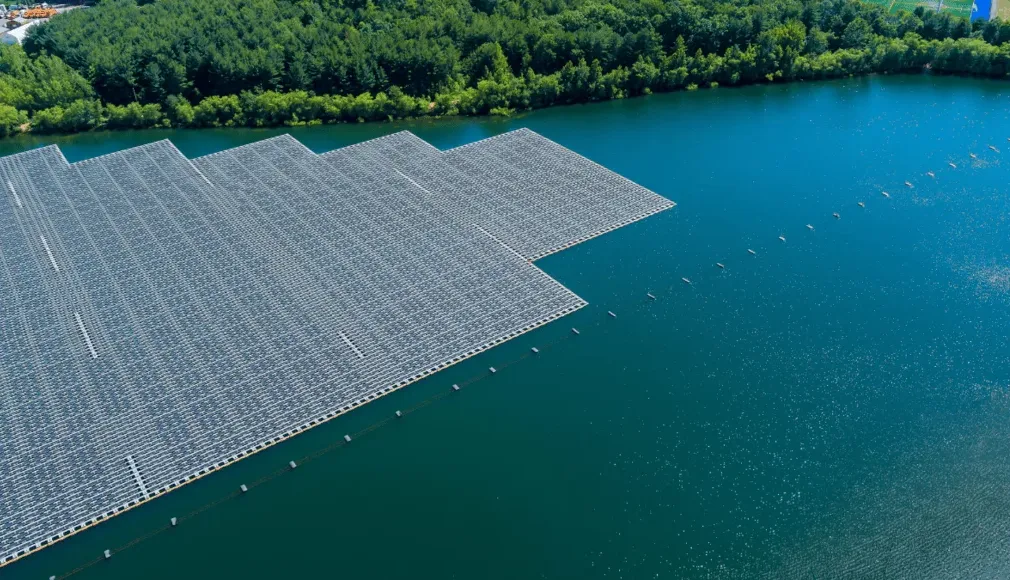
Kariba Floating Solar Project is a major new plan by Zimbabwe to solve electricity shortages and support clean energy growth. The country is preparing to build a 500 MW floating solar power plant at the famous Kariba Dam, showing a strong step towards energy security and sustainability.
Thank you for reading this post, don't forget to subscribe!Kariba Floating Solar Project Overview
The Kariba Floating Solar Project will be set up on Lake Kariba, one of the largest man-made lakes in the world. The project is led by Green Hybrid Power along with the Intensive Energy Users Group.
Its main goal is to provide stable electricity, especially for mining and mineral industries that are important for Zimbabwe’s economy. It will also use existing power transmission systems more efficiently.
Reducing Dependence on Hydropower
For many years, Kariba Dam has been the backbone of Zimbabwe’s electricity supply. But droughts and low water levels have reduced power generation.
The Kariba Floating Solar Project offers a smart solution by adding solar energy. This helps reduce reliance on water levels and ensures a more reliable power supply throughout the year.
Benefits of Floating Solar Technology
Floating solar systems come with many advantages:
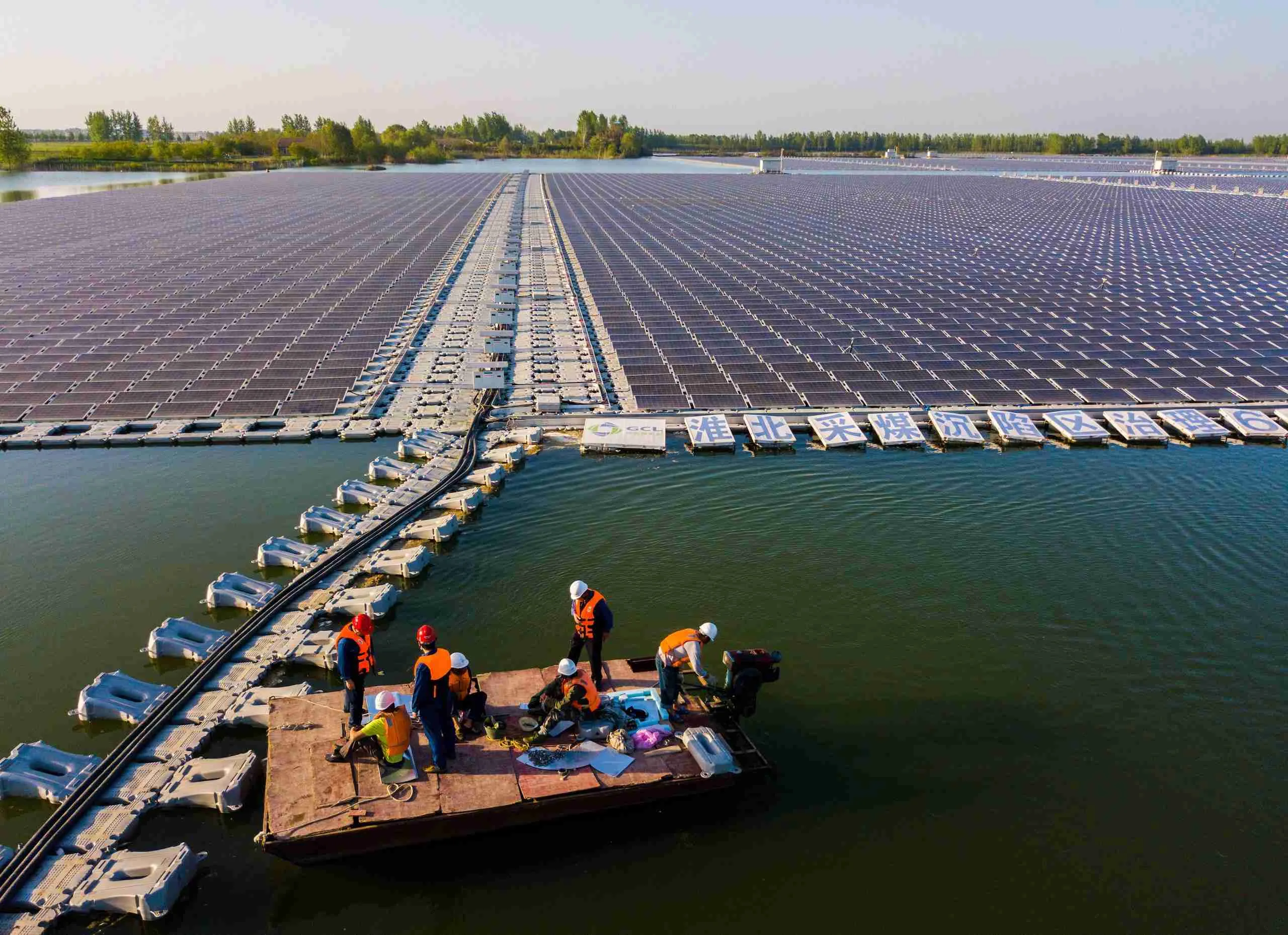
- They do not require land, saving space for other uses
- Water keeps solar panels cool, increasing efficiency by around 10%
- Panels reduce water evaporation from the lake
- The hybrid system allows solar power during the day and hydropower at night
This makes the Kariba Floating Solar Project both efficient and practical.

Economic and Environmental Impact
The Kariba Floating Solar Project will help Zimbabwe move towards clean energy and reduce the use of fossil fuels. Industries using renewable power may also gain carbon credits, improving their global position.
The project may also support fish farming under the panels, creating jobs and helping local communities. By combining energy production with economic benefits, it supports long-term development.