Artemis II Lunar Mission Marks New Era of Moon Exploration

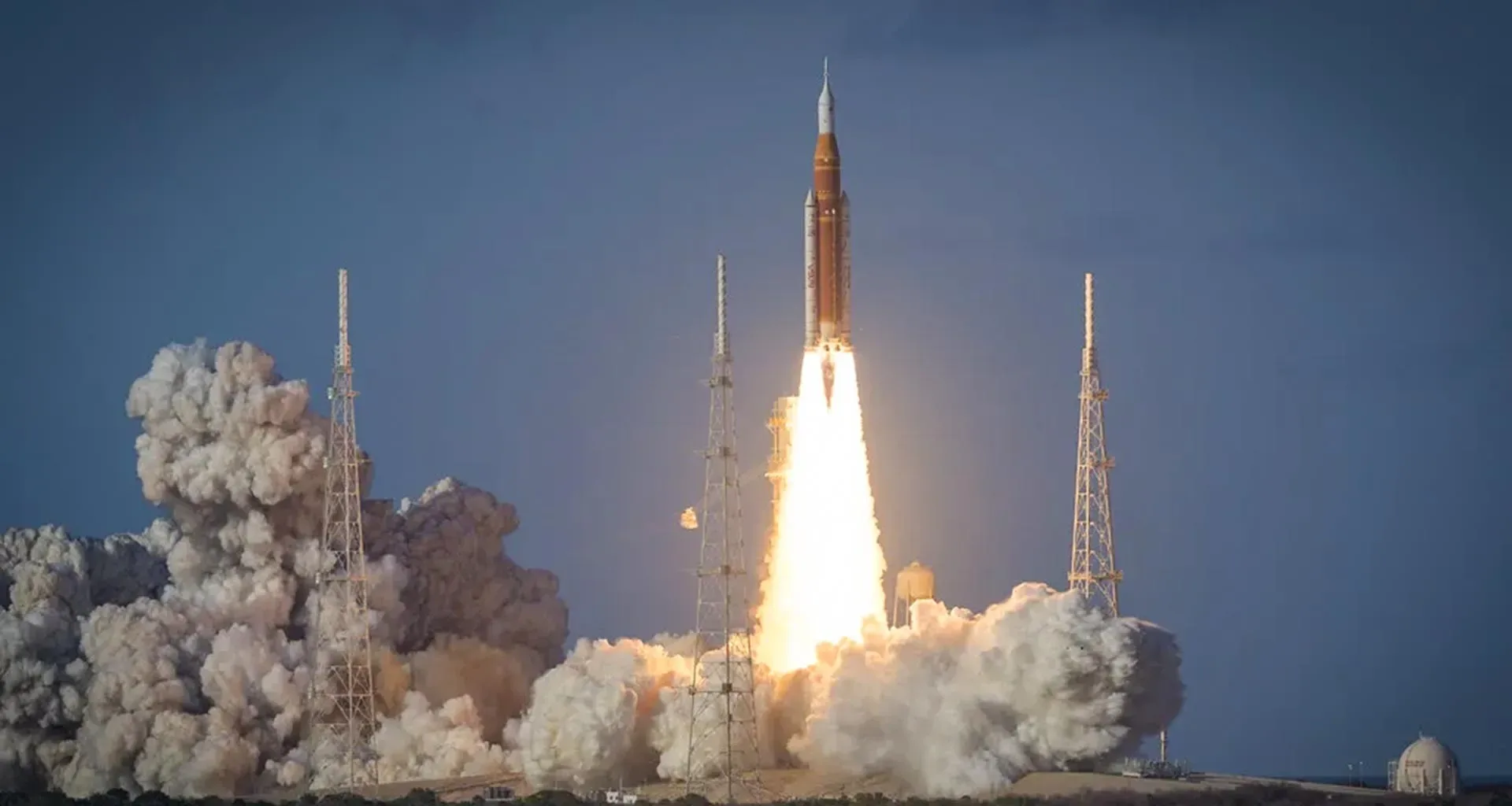
The NASA is preparing for the Artemis II Lunar Mission, an important step in its plan to build a long-term human presence on the Moon. This mission will send four astronauts around the Moon and back to Earth. It will be the first time humans travel to the Moon region again since the Apollo program more than 50 years ago.
Thank you for reading this post, don't forget to subscribe!Shift Towards Long-Term Lunar Presence
The Artemis II Lunar Mission shows a major change in space goals. Earlier missions like Apollo 11 focused on short visits. Now, the aim is to stay longer on the Moon. NASA plans to build a base where astronauts can live and work for extended periods. This will help scientists learn more about space and prepare for future missions.
Artemis Programme and Future Plans
The Artemis program began with an uncrewed mission in 2022. The Artemis II Lunar Mission will be the first crewed flight in this series. In the coming years, NASA plans to send missions regularly, possibly every six months. These missions will carry astronauts, equipment, and supplies to slowly build a sustainable lunar habitat.
Moon as a Gateway for Deep Space
NASA sees the Moon as a starting point for exploring deeper space, including Mars. Just like the International Space Station helped humans stay in space for long periods, a Moon base will allow testing of new technologies. It will also help astronauts learn how to survive in harsh conditions and use local resources.
Global Participation and Space Race
The Artemis II Lunar Mission is part of a growing global interest in space. China plans to send humans to the Moon by 2030, while India is aiming for a mission around 2040. Countries like Japan and European nations are also involved through partnerships. India has joined the Artemis Accords, showing both cooperation and competition in the new space race.