India CCTV Ban 2026 Brings Major Surveillance Changes

India CCTV Ban 2026 marks a big change in the country’s surveillance sector. From April 1, 2026, the government will ban the sale of non-certified internet-connected CCTV cameras. This step aims to improve national security and reduce dependence on foreign technology, especially from China.
Thank you for reading this post, don't forget to subscribe!Scope of India CCTV Ban 2026
Under the India CCTV Ban 2026, only certified CCTV cameras can be sold in the market. All internet-enabled cameras must meet strict government standards. Companies must clearly mention the country of origin of key components like System-on-Chip (SoC) and firmware.
Devices must also pass strong cybersecurity checks. These rules are designed to prevent risks such as hacking and unauthorized remote access. Products with Chinese-origin components are mostly being denied certification, limiting their presence in India.
Companies Affected by India CCTV Ban 2026
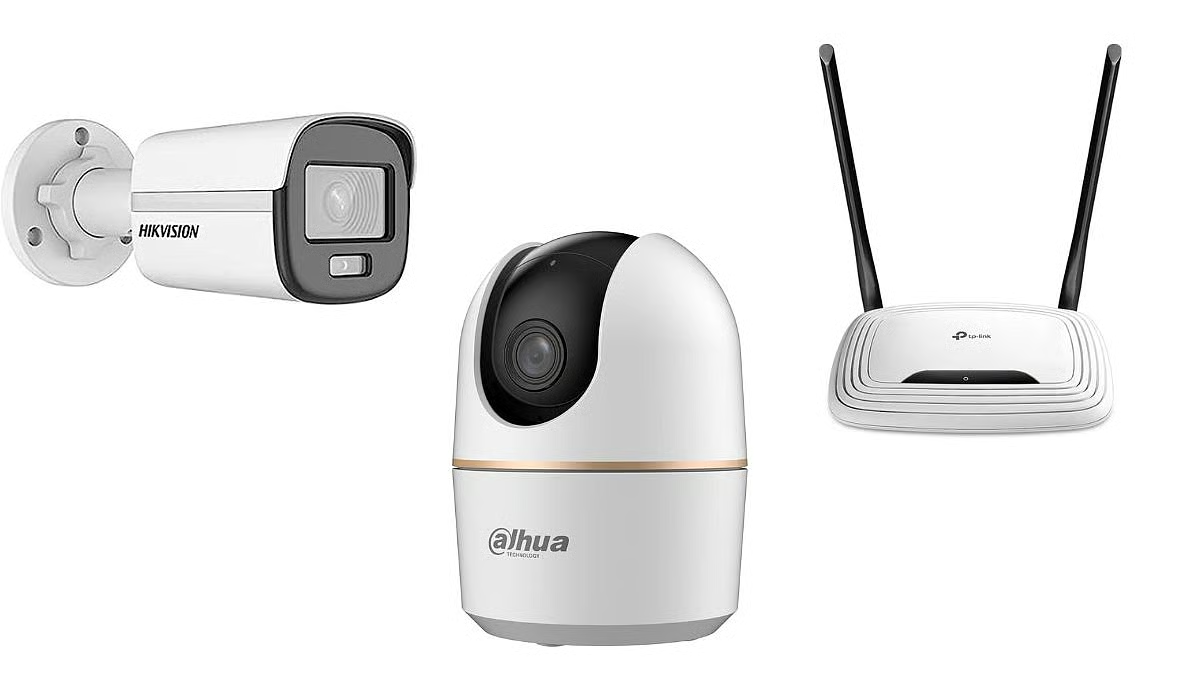
The India CCTV Ban 2026 has impacted many global surveillance brands. Companies like Hikvision and Dahua, which once dominated the Indian market, are now facing strict restrictions. Their manufacturing units have failed to get approval under the new rules.
Some companies tried to continue through partnerships, while others shifted to basic analog cameras. Even smartphone brands that sold smart home cameras have left this segment due to the new regulations.
Impact on Consumers
For users, the India CCTV Ban 2026 does not mean removal of existing cameras. People can continue using their current devices. However, there are some concerns.
Users may face issues like lack of software updates, reduced cybersecurity support, and limited repair services. As many companies exit the market, after-sales services are becoming harder to find. Small traders dealing with uncertified products have also stopped operations.
Market Trends and Price Changes
The India CCTV Ban 2026 has increased production costs. With Chinese components restricted, companies are now sourcing parts from countries like Taiwan and the United States. This has raised manufacturing costs by around 15–20%.
As a result, CCTV camera prices have gone up, especially in mid and high-end segments. At the same time, Indian manufacturers are benefiting. Local companies are increasing production and gaining a larger share of the market. However, global shortages in semiconductors are still affecting supply and pricing.