Panama LNG Traffic Surge Drives Global Shipping Shift

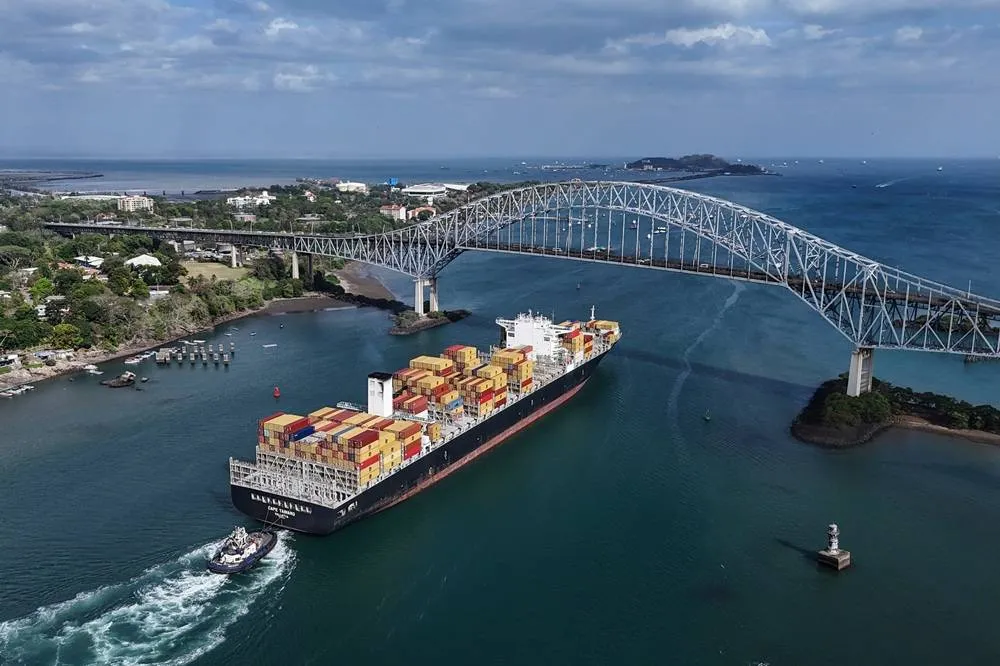
Panama LNG Traffic Surge is reshaping global trade as the Panama Canal operates at full capacity. The canal is now handling 36 to 38 vessels daily, becoming a key route for energy shipments as global conflicts disrupt traditional shipping paths.
Thank you for reading this post, don't forget to subscribe!Rising Demand Behind Panama LNG Traffic Surge
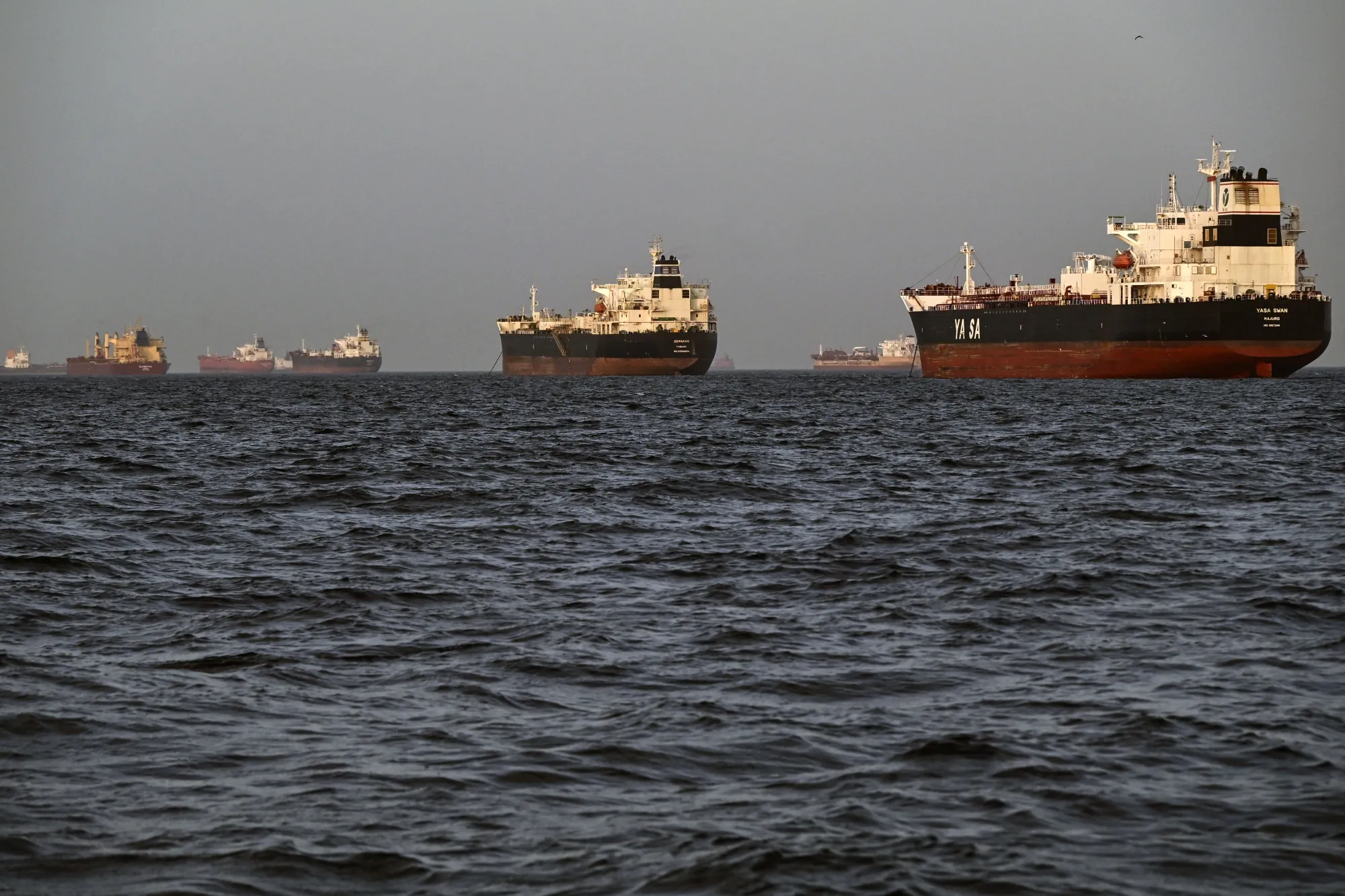
The ongoing tensions linked to Iran have affected major routes like the Strait of Hormuz and the Suez Canal. With these routes facing disruptions, shipping companies are turning to the Panama Canal. This shift has increased the movement of LNG carriers, especially those transporting fuel from the United States to global markets.
Increased LNG Movement Through the Canal
The Panama Canal authorities have introduced one dedicated daily transit slot for LNG vessels. Earlier, only about four LNG ships passed through each month. This major rise shows how the Panama LNG Traffic Surge is becoming important for global energy supply. LNG shipments are now a priority due to rising demand and limited alternative routes.
Operational Strength and Water Levels
The canal is currently running at its maximum capacity. Improved water levels after drought issues in 2023 and 2024 have helped increase daily vessel movement beyond expected numbers. Even with maintenance scheduled between March and September, operations are continuing smoothly without major disruptions.
Impact on Global Trade
The Panama LNG Traffic Surge highlights changing global trade patterns. With fewer container ships from Asia in recent months, more space has opened for energy shipments. This has made the canal a key route for maintaining steady energy supply worldwide. It also shows how global trade quickly adapts during geopolitical tensions.