


Secularism: Meaning and Features

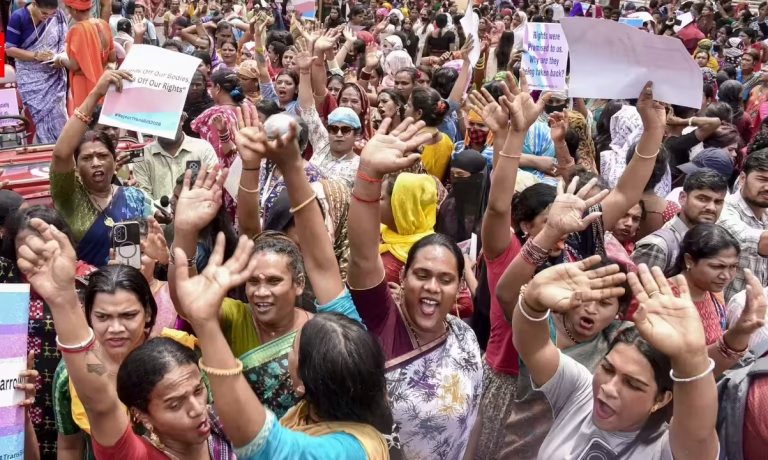
Secularism is one of the most important ideas in modern democratic societies, especially in a diverse country like India. The word “secular” means being separate from religion or not being controlled by religious beliefs. In simple terms, secularism ensures that religion does not interfere in the functioning of the state and that the state treats all religions equally.
Thank you for reading this post, don't forget to subscribe!A secular person is someone who does not base their moral values only on religion. Instead, they rely on rational thinking, human values, and scientific understanding. Secularism is not about rejecting religion; rather, it is about maintaining a balance where religion remains a personal matter, and the state remains neutral.
In India, secularism means:
- Equal respect for all religions
- No discrimination based on religion
- Freedom to practice any religion
- No official state religion
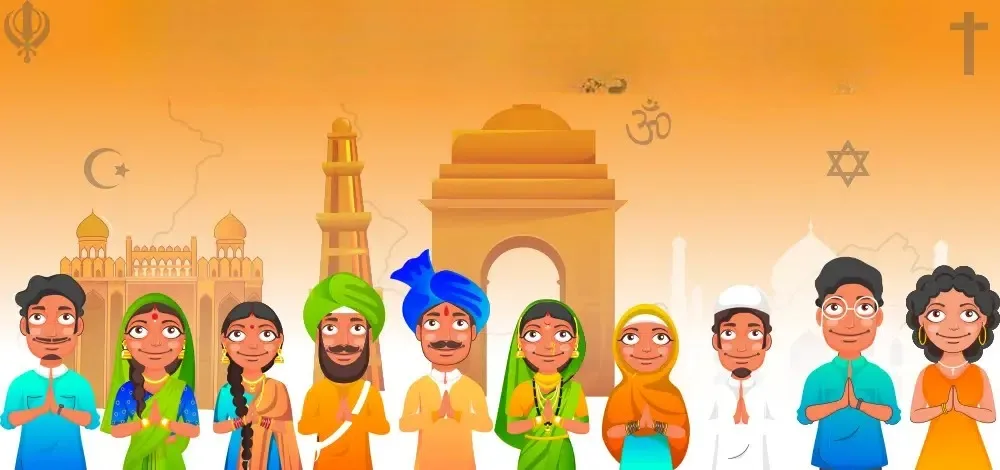
This idea helps maintain peace, unity, and harmony in a country where people follow many different religions.
Meaning and Features of Secularism
Secularism is not just about separating religion from politics. It is a broader concept that includes equality, freedom, and tolerance.
Key Features of Secularism
- Separation of Religion and State
The government does not follow or promote any particular religion. - Freedom of Religion
Every individual has the right to practice, follow, and spread their religion. - Equality Among Religions
All religions are treated equally by the state. - No Religious Discrimination
No citizen is treated unfairly based on religion. - Religious Tolerance
People respect and accept the beliefs of others.
Secularism promotes peaceful coexistence among people of different faiths and helps build a strong and united nation.
Historical Roots of Secularism in India
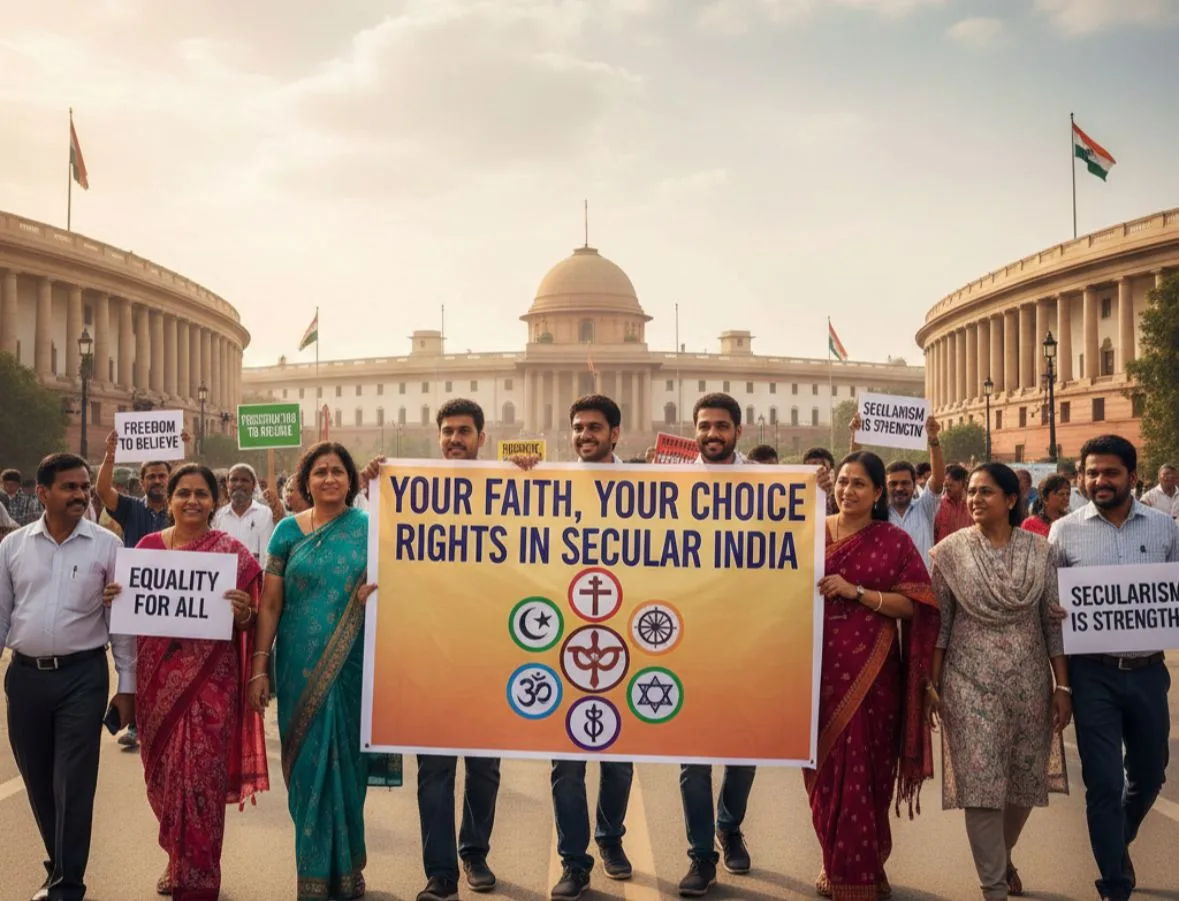
India has a long tradition of religious tolerance and coexistence. Secular values are deeply rooted in Indian history and culture.
Ancient India and Religious Diversity
In ancient India, religion was not rigid or exclusive. The development of Hindu philosophy included many different ideas and beliefs. Texts like the Vedas, Upanishads, and Puranas show that multiple interpretations were accepted.
Different schools of thought coexisted peacefully. New religions like Jainism and Buddhism emerged and were accepted without major conflicts.
Emperor Ashoka and Religious Tolerance
One of the earliest examples of secularism in India comes from Emperor Ashoka in the 3rd century BCE. After embracing Buddhism, he did not impose it on his people.
In his Rock Edicts, Ashoka emphasized:
- Respect for all religions
- Tolerance among communities
- Harmony between different faiths
He believed that all religions should be honored and respected equally.
Medieval India and Secular Traditions
During medieval times, India saw the arrival of Islam and later Christianity. Despite differences, efforts were made to maintain harmony.
Bhakti and Sufi Movements
These movements played a major role in promoting unity:
- Bhakti Movement focused on devotion and equality
- Sufi Movement emphasized love, peace, and spirituality
Saints and leaders from these movements encouraged people to rise above religious divisions and focus on humanity.
Religious Harmony Under Akbar
The Mughal emperor Akbar promoted religious tolerance:
- He removed the jizya tax on non-Muslims
- Included people of different religions in his administration
- Encouraged debates among scholars of different religions
He introduced the idea of “Sulh-i-Kul” (peace with all) and even experimented with a new faith that combined elements of different religions.
Secularism During the Freedom Movement
The freedom struggle in India strengthened secular values.
British Policy and Division
The British used the policy of “divide and rule”:
- Partition of Bengal (1905)
- Separate electorates for different communities
- Communal representation in politics
These policies created divisions among people.
Role of Indian Leaders
Indian leaders strongly supported secularism:
- They believed in unity beyond religion
- Promoted equality and national integration
The Nehru Committee Report (1928) clearly stated:
- No state religion
- No discrimination based on religion
Different Approaches to Secularism
- One approach emphasized unity through respect for all religions
- Another focused on scientific thinking and modern values
Both approaches contributed to shaping Indian secularism.
Philosophy of Indian Secularism
Indian secularism is different from Western secularism and has its roots in ancient Indian thought and traditions.
The term secularism in India is closely related to the Vedic idea of “Dharma Nirapekshata”, which means that the state remains neutral and does not favour any religion. In Western countries, this idea is followed in a strict way where there is a complete separation between religion and the state (often called separation of church and state).
However, Indian secularism follows a more inclusive and balanced approach.
Sarva Dharma Sambhava
The core idea of Indian secularism is:
“Sarva Dharma Sambhava”, which means equal respect for all religions.
This concept teaches that:
- All religions lead to the same ultimate goal
- No religion is superior to another
- Harmony and coexistence are more important than differences
This idea was strongly supported and promoted by great leaders like Vivekananda and Mahatma Gandhi.
Positive Secularism
Indian secularism is often described as Positive Secularism because:
- The state respects all religions equally
- It does not ignore religion but treats all fairly
- It promotes unity, peace, and harmony
Unlike the Western model, India does not completely separate religion from the state but ensures that all religions are treated equally.
Personal Laws in India
India does not have any official state religion. However, it allows different religious communities to follow their own personal laws in matters such as:
- Marriage
- Divorce
- Inheritance
- Alimony
This reflects India’s diversity and flexibility in managing religious practices.
Indian secularism is not an end in itself. It is a way to manage religious diversity and ensure peaceful coexistence among different communities.
Secularism in the Indian Constitution
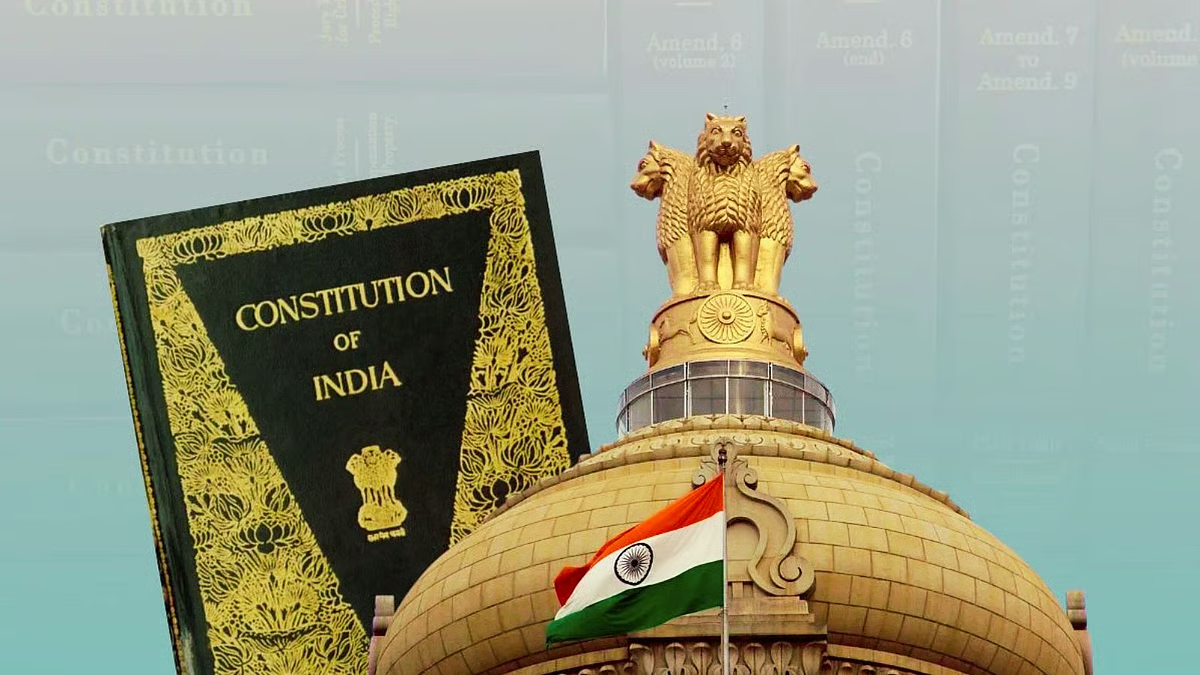
The Constitution of India clearly includes all the principles of secularism in its provisions.
Preamble
The word “Secular” was added to the Preamble by the 42nd Constitutional Amendment Act, 1976. It declares India as a:
- Sovereign
- Socialist
- Secular
- Democratic Republic
This means that India has no official state religion, and the state treats all religions equally without favour or discrimination.
Fundamental Rights Supporting Secularism
Equality Before Law (Article 14)
Every citizen is equal before the law and receives equal protection of the laws.
No Discrimination (Article 15)
The state cannot discriminate against anyone based on:
- Religion
- Race
- Caste
- Sex
- Place of birth
Equal Opportunity (Article 16)
All citizens have equal opportunity in matters of public employment, without discrimination based on religion or other factors.
Freedom of Religion
Freedom of Conscience (Article 25)
Every individual has the freedom to believe in any religion or not believe in any religion.
Right to Practice Religion
Citizens are free to:
- Follow
- Practice
- Propagate their religion
Religious Institutions (Article 26)
Religious groups have the right to:
- Establish institutions
- Manage their own religious affairs
No Forced Religious Tax (Article 27)
The state cannot force any citizen to pay taxes for promoting or maintaining any particular religion.
Religious Education (Article 28)
Educational institutions run by religious groups are allowed to provide religious instruction.
Cultural and Educational Rights (Articles 29 & 30)
Minorities are given special rights to:
- Preserve their culture and traditions
- Establish and manage educational institutions
This helps protect India’s rich cultural diversity.
Fundamental Duties (Article 51A)
The Constitution also places responsibilities on citizens to:
- Promote harmony and brotherhood
- Respect all religions
- Preserve the rich heritage of India’s composite culture
Indian vs Western Secularism
Over time, India has developed its own unique model of secularism, which is quite different from the Western concept. While both aim to ensure religious freedom, their approaches are different.
Western Model of Secularism
In the Western model, there is a strict separation between the State and religion. This means:
- The State and religion operate in completely separate spheres
- Neither interferes in the affairs of the other
- Religion is treated as a completely private matter
- The government does not support or fund any religious institutions
- Public policies are not influenced by religion
In simple terms, the Western model builds a clear “wall of separation” between religion and the State.
Indian Model of Secularism
In India, secularism follows a balanced and flexible approach rather than strict separation.
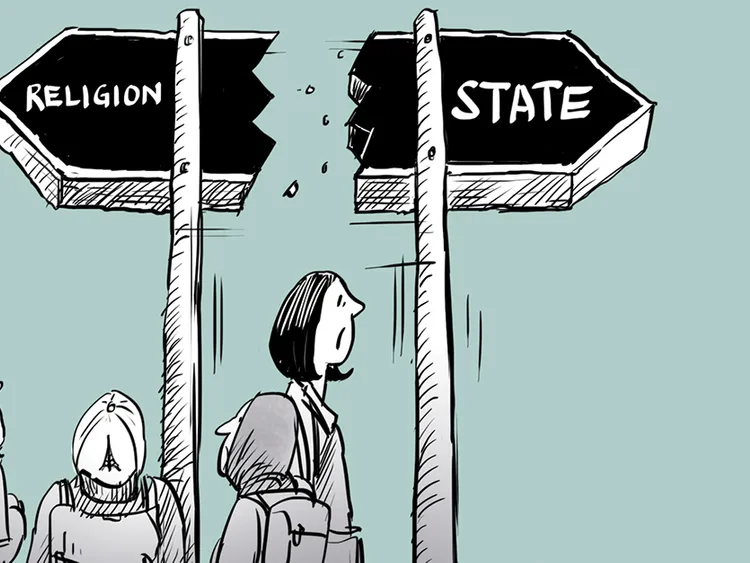
- There is no complete separation between religion and the State
- The State respects all religions equally
- The State can interact with religion when necessary
- The focus is on harmony, coexistence, and equality
India follows a concept of positive secularism, where the State does not ignore religion but treats all religions fairly.
Key Differences Between Indian and Western Secularism
1. Approach
- West: Complete separation of religion and State
- India: Balance and equal respect for all religions
2. Role of the State
- West: No involvement in religious matters
- India: Limited and necessary involvement
In India, the State can intervene in religion to remove harmful practices such as:
- Sati (widow burning)
- Dowry system
- Child marriage
- Discrimination against Dalits
3. Interaction Between State and Religion
- West: No interaction allowed
- India: Interaction is allowed within legal limits
In India:
- The government may regulate religious institutions
- It may also ensure fairness and equality among religions
4. Financial Support
- West: No financial support to religious institutions
- India: State can provide support
In India:
- Religious minorities can establish educational institutions
- These institutions may receive government aid
5. Public Life
- West: Religion is strictly private
- India: Religion has a place in public life
India allows:
- Cultural and religious diversity in public spaces
- Celebration of festivals and traditions openly
6. Policy and Governance
- West: Public policies are completely free from religious influence
- India: Policies may consider religious diversity for fairness
7. Institutional Role of State
In India:
- The State sets up bodies like Wakf Boards and Religious Endowment Departments
- It may appoint trustees to manage religious institutions
This shows that the State is not completely separate but works to ensure proper functioning and fairness.
Challenges and Threats to Secularism
Despite strong constitutional support, secularism in India faces many challenges.
1. Mixing Religion and Politics
Political parties sometimes:
- Use religion to gain votes
- Divide people based on identity
This weakens secular values.
2. Communalism
Communalism creates conflict between religious groups:
- Spreading hatred
- Promoting stereotypes
- Creating mistrust
It leads to violence and instability.
3. Communal Riots
Religious conflicts sometimes turn violent:
- Loss of life and property
- Damage to social harmony
These incidents threaten national unity.
4. Religious Extremism
Some groups promote extreme ideas:
- Trying to dominate other religions
- Rejecting secular values
This creates fear and division.
5. Radicalization
In some cases, individuals are influenced by extremist ideologies:
- This harms both society and national security
6. Social Practices and Discrimination
Certain traditions and practices:
- Discriminate against weaker sections
- Conflict with modern secular values
Importance of Secularism in India
Secularism is essential because:
- Maintains Unity in Diversity
- Protects Minority Rights
- Promotes Peace and Stability
- Supports Democracy
- Encourages Equality
Without secularism, a diverse country like India could face serious conflicts.
Way Forward to Strengthen Secularism
To protect and promote secularism, several steps are needed:
1. Promote Education and Awareness
- Teach values of tolerance and respect
- Encourage understanding of different religions
2. Strengthen Legal Framework
- Strict action against hate speech
- Proper enforcement of laws
3. Reduce Political Misuse of Religion
- Avoid using religion for political gain
- Promote issue-based politics
4. Encourage Interfaith Dialogue
- Interaction between communities
- Build trust and understanding
5. Focus on Common Values
- Identify shared values like:
- Humanity
- Peace
- Respect
6. Social Reforms
- Remove harmful practices
- Promote equality and justice
7. Balanced Approach to Policies
- Ensure fairness to all communities
- Avoid bias toward any religion
Conclusion
Secularism is a cornerstone of India’s identity. It is not just a constitutional principle but a way of life that reflects the country’s diversity and unity.
India’s model of secularism is unique because it does not strictly separate religion from the state but instead promotes equal respect for all religions. This approach has helped maintain harmony in a culturally rich and diverse society.
However, challenges like communalism, political misuse of religion, and extremism threaten this balance. Strengthening secularism requires collective effort from the government, society, and individuals.
By promoting tolerance, understanding, and equality, India can continue to uphold the true spirit of secularism and build a peaceful and inclusive society.
FAQs on Secularism
1. What is Secularism?
Secularism means that the State does not follow any particular religion and treats all religions equally. It also ensures freedom for individuals to practice their own religion.
2. What is the meaning of Secularism in India?
In India, secularism means equal respect for all religions (Sarva Dharma Sambhava). The State maintains neutrality but can interact with religions to ensure equality and justice.
3. Is India a secular country?
Yes, India is a secular country. The word “secular” was added to the Constitution in 1976, and it ensures that there is no official state religion.
4. Which Articles of the Indian Constitution support Secularism?
Important Articles include:
- Article 14 – Equality before law
- Article 15 – No discrimination
- Article 16 – Equal opportunity
- Article 25–28 – Freedom of religion
- Article 29–30 – Rights of minorities
5. What is the difference between Indian and Western Secularism?
Western secularism focuses on complete separation of religion and State, while Indian secularism focuses on equal respect and harmony among religions.
6. What is ‘Sarva Dharma Sambhava’?
It means equal respect for all religions. It is the core idea of Indian secularism.
7. Why is Secularism important in India?
Secularism is important because India has many religions. It helps maintain:
- Peace
- Unity
- Equality
- Social harmony
8. Does Secularism mean no religion?
No, secularism does not mean absence of religion. It means freedom to follow any religion and equal treatment by the State.