

Indira Gandhi: Life, Leadership, Contributions, and Legacy

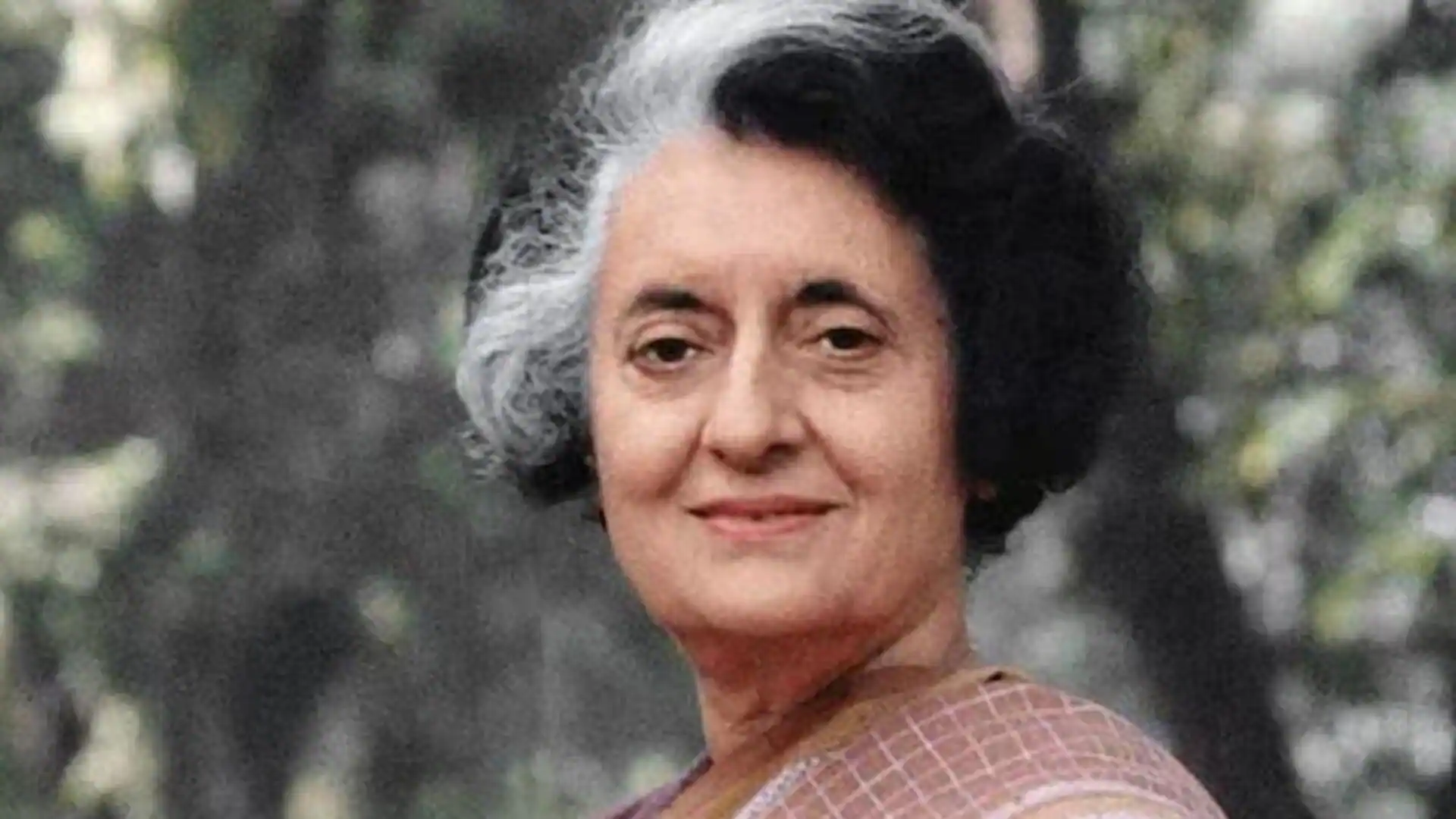
Indira Gandhi was one of the most powerful and influential leaders in Indian history. She was the first woman Prime Minister of India and ruled the country during some of its most difficult and important years after independence. Indira Gandhi was known for her strong will, bold decisions, and fearless leadership. Because of her firm nature, people often called her the “Iron Lady of India.”
Indira Gandhi’s life was full of achievements, struggles, controversies, and sacrifices. Her tragic assassination on October 31, 1984, shocked the entire nation and became a turning point in Indian history. Even today, her ideas, policies, and leadership style are widely discussed and remembered.

Indira Gandhi Death Anniversary
Every year, October 31 is observed as the death anniversary of Indira Gandhi, the former Prime Minister of India. On this day in 1984, she was assassinated by her own security guards at her residence in New Delhi.
Her assassination happened five months after Operation Blue Star, a military action carried out at the Golden Temple in Amritsar. The news of her death spread quickly and left the entire nation in shock and grief. After her assassination, India witnessed widespread violence, especially against the Sikh community.
Indira Gandhi’s death anniversary reminds us of her strong leadership, major contributions, and the high cost of political decisions.
Early Life of Indira Gandhi
Indira Gandhi was born on November 19, 1917, in Allahabad (now Prayagraj), Uttar Pradesh. She was born into a very respected and politically active family.
- Her father, Jawaharlal Nehru, was a great freedom fighter and later became the first Prime Minister of India.
- Her mother, Kamala Nehru, was also involved in India’s freedom struggle.
From a young age, Indira Gandhi grew up in an environment full of political discussions, national movements, and sacrifices for the country. This deeply influenced her thinking and personality.
Indira Gandhi and the Freedom Struggle
Even as a child, Indira Gandhi actively took part in India’s freedom movement.
- She formed a group called “Vanar Sena”, which included children who helped freedom fighters by delivering messages and supporting protests.
- She also founded the Bal Charkha Sangh to promote the use of khadi and support Mahatma Gandhi’s ideas.
- During the Quit India Movement in 1942, she was arrested and sent to jail.
These experiences made her strong, disciplined, and deeply committed to the nation.
Education of Indira Gandhi
Indira Gandhi received her education from both India and abroad.
- She studied at Shantiniketan, where the great poet Rabindranath Tagore named her “Priyadarshini,” meaning “one who looks at everything with kindness.”
- She later studied at schools in Switzerland and England.
- She attended Somerville College, Oxford University, which helped her develop a global outlook and sharp political understanding.
Her education played a major role in shaping her leadership skills and confidence.
Marriage and Family Life
In 1942, Indira Gandhi married Feroze Gandhi, a freedom fighter and journalist. The couple had two sons:
- Rajiv Gandhi
- Sanjay Gandhi
Though her personal life had challenges, Indira Gandhi always placed the nation above personal comfort.
Beginning of Indira Gandhi’s Political Career
Indira Gandhi officially entered politics by joining the Indian National Congress, the party led by her father.
- She worked closely with Jawaharlal Nehru and gained valuable experience as his assistant.
- In 1959, she became the President of the Indian National Congress.
- After the death of Lal Bahadur Shastri in 1966, she was chosen as the Prime Minister of India.
Many leaders initially believed she would be a weak leader, but Indira Gandhi soon proved them wrong.
Indira Gandhi as the First Woman Prime Minister of India

Indira Gandhi became the first woman Prime Minister of India in January 1966.
She served as Prime Minister in two phases:
- 1966 to 1977
- 1980 to 1984
Her leadership marked a historic moment for Indian women and inspired generations of women to enter politics and leadership roles.
Major Achievements and Contributions of Indira Gandhi
1. Bank Nationalization
In 1969, Indira Gandhi nationalized 14 major banks.
Why this was important:
- Banks were brought under government control.
- Farmers, small businessmen, and poor people got easier access to loans.
- Economic inequality was reduced.
This decision strengthened India’s financial system and helped rural development.
2. Abolition of Privy Purses
After independence, former kings of princely states were given money called privy purses.
Indira Gandhi abolished privy purses to:
- Promote equality
- End royal privileges
- Strengthen democracy
This step showed her commitment to social justice.
3. Garibi Hatao Campaign
Indira Gandhi launched the famous slogan “Garibi Hatao” (Remove Poverty).
This campaign focused on:
- Poverty reduction
- Employment generation
- Rural development
- Support for the poor and backward classes
It made her extremely popular among the masses.
4. Green Revolution
Under Indira Gandhi’s leadership, India promoted the Green Revolution.
- Increased food production
- Introduced better seeds and farming methods
- Helped India become self-sufficient in food
This reduced hunger and strengthened the agricultural sector.
5. Bangladesh Liberation War (1971)
One of Indira Gandhi’s greatest achievements was her role in the 1971 India-Pakistan War, which led to the creation of Bangladesh.
- India supported refugees from East Pakistan
- Provided military and diplomatic support
- Bangladesh emerged as an independent nation
This victory made India a strong power in South Asia.
6. Strengthening India’s Global Image
Indira Gandhi improved India’s international relations.
- Strengthened ties with the Soviet Union
- Played a key role in the Non-Aligned Movement
- Earned respect as a strong global leader
Emergency Period (1975–1977)
One of the most controversial periods of Indira Gandhi’s rule was the Emergency.
- Declared in 1975
- Civil liberties were suspended
- Press freedom was restricted
- Many political leaders were jailed
- Forced sterilization policies were introduced
The Emergency period damaged India’s democratic image and is remembered as a dark chapter in Indian history.
In 1977, Indira Gandhi called elections and lost, showing her respect for democracy.
Return to Power in 1980
Despite her defeat, Indira Gandhi made a strong comeback.
- She returned as Prime Minister in 1980
- Focused on national unity and development
- Faced challenges like regional unrest and terrorism
Her comeback showed her political strength and public support.
Operation Blue Star
In June 1984, Indira Gandhi ordered Operation Blue Star.
- Aim: Remove militants from the Golden Temple in Amritsar
- Resulted in heavy damage and loss of lives
- Hurt Sikh sentiments deeply
This operation eventually led to her assassination.
Indira Gandhi Assassination

On October 31, 1984, Indira Gandhi was assassinated by two Sikh bodyguards.
- Reason: Anger over Operation Blue Star
- Location: Her residence in New Delhi
Her death triggered anti-Sikh riots across India, causing great loss of life and property.
Awards and Recognition
Indira Gandhi received many national and international honors:
- Bharat Ratna (1972)
- Mexican Academy Award
- FAO Medal
- Named “Most Admired Woman” in global surveys
Books Written by Indira Gandhi
She was also a writer and thinker.
Some of her famous books include:
- The Years of Challenge
- The Years of Endeavour
- India
Indira Gandhi’s Legacy
Indira Gandhi’s legacy is complex and powerful.
She is remembered as:
- A strong and fearless leader
- A symbol of women’s empowerment
- A leader who shaped modern India
- A controversial figure due to Emergency and Operation Blue Star
Her life teaches us about leadership, responsibility, and the consequences of power.
Conclusion
Indira Gandhi remains one of the most influential leaders India has ever seen. Her life was full of achievements, challenges, and sacrifices. She transformed India through bold decisions and strong leadership. Even decades after her death, her impact on Indian politics and society continues to be felt.
Indira Gandhi’s story is not just about power it is about service to the nation, courage in difficult times, and the lasting influence of leadership.
Frequently Asked Questions (FAQs) on Indira Gandhi
1. Who was Indira Gandhi?
Indira Gandhi was the first woman Prime Minister of India. She was a strong leader who served the country during important and difficult times after independence.
2. When was Indira Gandhi born?
Indira Gandhi was born on November 19, 1917, in Allahabad (now Prayagraj), Uttar Pradesh.
3. Who were Indira Gandhi’s parents?
Her father was Jawaharlal Nehru, India’s first Prime Minister, and her mother was Kamala Nehru, a freedom fighter.
4. When did Indira Gandhi become Prime Minister of India?
Indira Gandhi became Prime Minister for the first time in January 1966.
5. How many times did Indira Gandhi serve as Prime Minister?
She served as Prime Minister twice:
- From 1966 to 1977
- From 1980 to 1984
6. Why is Indira Gandhi called the “Iron Lady of India”?
She was called the “Iron Lady” because of her strong personality, firm decisions, and fearless leadership, even during crises.