



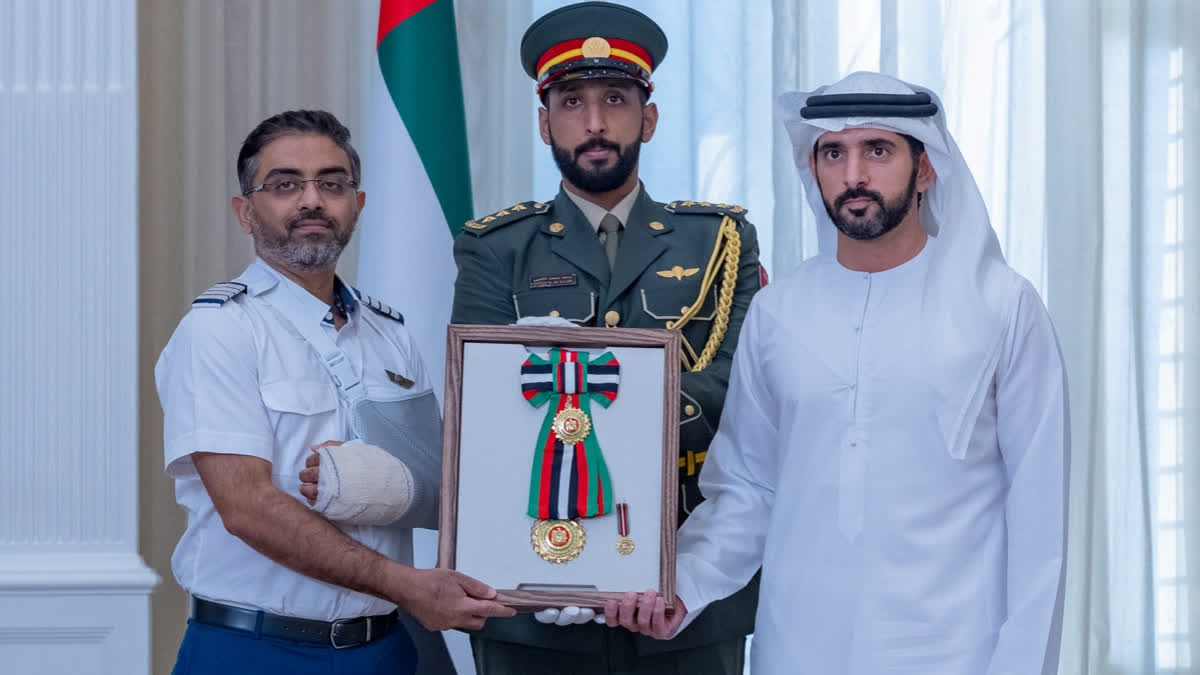
Smit Machchhar Receives UAE Honour

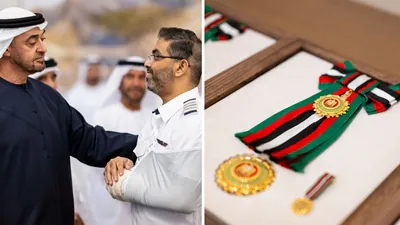
Smit Machchhar, an Indian-origin pilot, received the United Arab Emirates’ First-Class Order of Zayed II on 27 October 2026 for his bravery during an attack aboard a flydubai flight. He was honoured alongside fellow crew members for their actions during the emergency on Flight FZ1073 on 30 September 2026. Despite being seriously injured, Captain Machchhar helped the crew and passengers respond to the incident, and the aircraft was diverted safely to Saudi Arabia. No fatalities were reported.
The recognition highlights the importance of courage, professionalism and teamwork in commercial aviation, especially when pilots and cabin crew face unexpected threats during a flight.

What Is the First-Class Order of Zayed II?
The First-Class Order of Zayed II is a high-level honour awarded by the United Arab Emirates. Captain Machchhar received the award from UAE President Sheikh Mohamed bin Zayed Al Nahyan, with the honour presented by Sheikh Hamdan bin Mohammed bin Rashid Al Maktoum.
Sheikh Hamdan serves as Crown Prince of Dubai, Deputy Prime Minister and Minister of Defence of the UAE. The award recognised Machchhar’s conduct during the cockpit attack and the efforts of the other crew members involved in managing the emergency.
The honour reflects the UAE’s recognition of individuals whose actions demonstrate bravery, dedication and professionalism. In this case, the crew’s response helped prevent the incident from causing further harm to the people aboard the aircraft.
The Attack Aboard Flydubai Flight FZ1073
The incident took place on 30 September 2026, when Flight FZ1073 was travelling from Dubai to Tel Aviv. The aircraft was carrying 172 passengers and eight crew members.
According to the reported account, Captain Machchhar was seriously injured after his co-pilot, an Omani national, attacked him with a crash axe. The attack caused the aircraft to descend rapidly, creating a serious emergency for everyone on board.
Despite his injuries, Machchhar managed to open the cockpit door. This allowed other crew members and passengers to intervene and subdue the attacker.
The crew then diverted the aircraft to Tabuk in Saudi Arabia rather than continuing to its planned destination of Tel Aviv. The flight landed safely, and no fatalities were reported.
The incident demonstrated the importance of emergency procedures and coordinated action during an onboard security threat.
Captain Machchhar’s Courage During the Emergency
A pilot’s main responsibilities include operating the aircraft safely, following flight procedures and responding to emergencies. An attack inside the cockpit creates an especially dangerous situation because the cockpit is where pilots control the aircraft and manage essential flight systems.
Captain Machchhar’s actions during the incident were recognised as an example of courage under extreme pressure. Even after sustaining serious injuries, he took action that allowed other people aboard the aircraft to respond to the threat.
The response also depended on the cooperation of the remaining crew members and passengers. Their intervention helped subdue the attacker and supported the safe diversion of the aircraft.
The event highlights the role of teamwork in aviation emergencies. Pilots, cabin crew and passengers may all become involved in responding to an unexpected threat, although their actions must depend on the circumstances and established safety procedures.
Why Was the Flight Diverted to Tabuk?
Flight FZ1073 was scheduled to travel from Dubai to Tel Aviv. However, the attack created an emergency that required the aircraft to land at a different airport.
An emergency diversion occurs when an aircraft lands somewhere other than its planned destination because continuing the original journey may be unsafe or impractical. Reasons can include medical emergencies, technical problems, severe weather or security incidents.
In this case, the flight was diverted to Tabuk, Saudi Arabia. Diverting the aircraft allowed the emergency to be managed without continuing the planned route.
The safe landing was an important part of the incident’s outcome, as the aircraft was carrying 172 passengers in addition to its crew. The absence of fatalities was a significant result given the reported seriousness of the attack.
Smit Machchhar Becomes the Third Indian Recipient
Captain Machchhar is reported to be the third Indian recipient of the First-Class Order of Zayed II.
Former Indian ambassador Navdeep Singh Suri received the honour in 2019 for his diplomatic work. Former Indian ambassador Sunjay Sudhir received it in 2025.
Machchhar’s recognition differs from these earlier awards because it followed an aviation emergency rather than diplomatic service. His actions during the Flight FZ1073 incident brought attention to the contribution of aviation professionals who work to protect passengers and maintain flight safety.
The award also reflects the links between India and the UAE, including cooperation in trade, travel, employment and other areas. Indian-origin professionals work across many sectors in the UAE, including aviation, healthcare, business and technology.
International Responses to the Incident
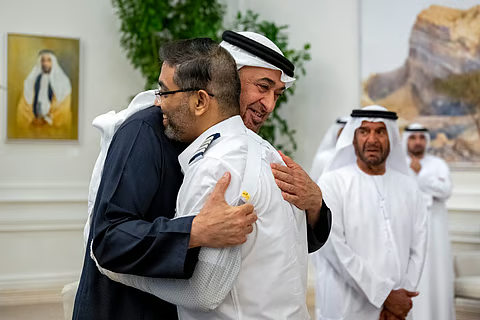
The incident attracted attention beyond the aviation industry. According to the report, leaders in India, the UAE, Israel and the United States responded publicly to the event.
The international response reflects the importance of passenger safety and security in commercial aviation. Flights often carry passengers from several countries, while airlines operate across international routes and jurisdictions.
An attack aboard an aircraft can therefore raise concerns about cockpit security, emergency response and the protection of passengers and crew members. Such incidents also highlight the need for effective procedures to manage threats and coordinate with authorities when an aircraft must divert.
Captain Machchhar and his fellow crew members received the UAE honour for their actions during the emergency.
Importance of Aviation Safety and Crew Training
Commercial aviation relies on training, safety procedures and coordination between flight crews and ground authorities. Pilots are trained to manage flight operations and respond to emergencies, while cabin crew members receive training in passenger safety and emergency response.
Aviation emergencies can develop quickly, leaving little time for decision-making. Procedures for communication, aircraft control, emergency landings and coordination with ground services help crews respond to difficult situations.
The Flight FZ1073 incident illustrates how a security threat can quickly become an operational emergency. It also shows why the ability to respond under pressure is important for people responsible for the safety of an aircraft and everyone aboard it.
Captain Machchhar’s recognition places the focus on the bravery and professionalism displayed during a serious incident. His actions, along with the response of other crew members and passengers, contributed to an outcome in which the aircraft landed safely and no lives were lost.