Aravalli Range Ecology Threat Raises National Concern

Aravalli Range Ecology Threat has once again become a major national discussion as concerns grow over mining, land diversion and large tourism projects in western India. Stretching across Rajasthan, Haryana, Gujarat and Delhi, the Aravalli Range is far more than an ancient line of hills. It plays a silent but vital role in protecting water sources, regulating climate, improving air quality and supporting wildlife for millions of people. As pressure for rapid development increases, experts warn that damage to the Aravallis could have long-lasting effects on both nature and human life.
Thank you for reading this post, don't forget to subscribe!Aravalli Range Ecology Threat and a Three-Billion-Year Legacy
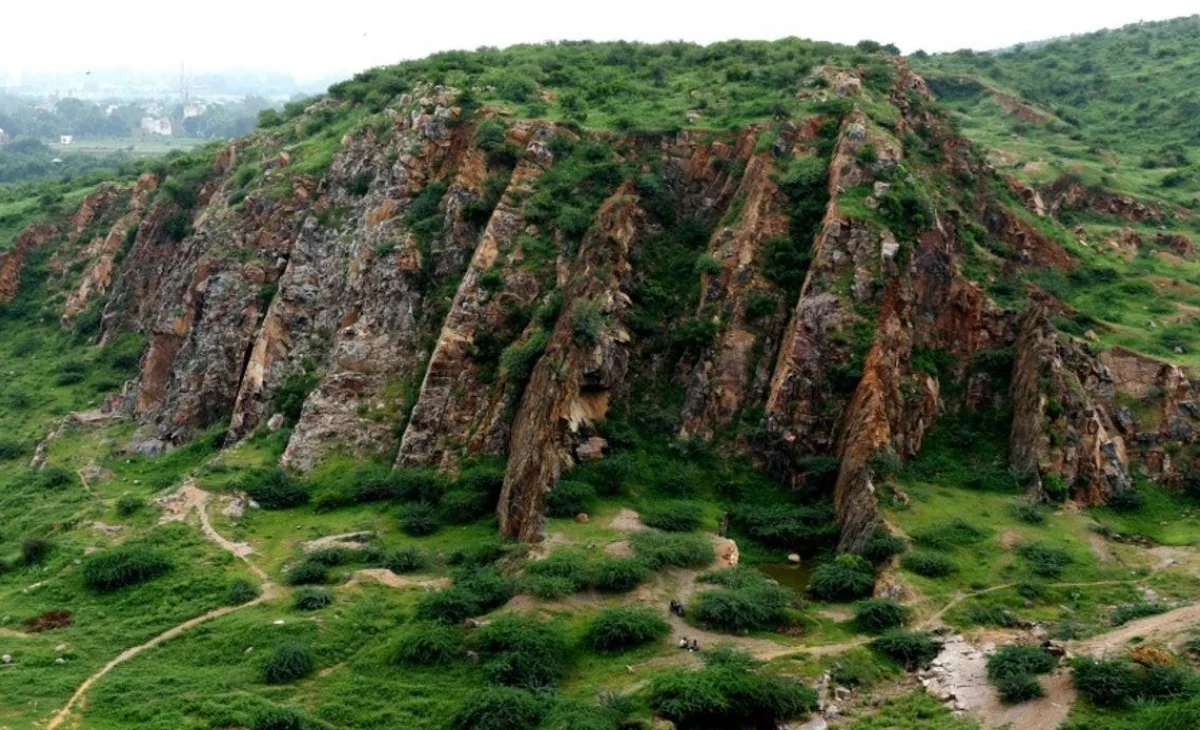
The Aravalli Range is among the oldest mountain systems on Earth, estimated to be nearly three billion years old. Spanning around 692 kilometres, it has witnessed the rise of some of the earliest human settlements in the Indian subcontinent. Ancient texts referred to it as Pariyatra, marking it as a natural boundary of early civilisation.
The hills once supported river systems like the Saraswati, Drishadvati, Sahibi and Luni, which helped early communities survive through farming and trade. Archaeological findings show that the Aravalli region was a major centre for copper and gold mining during the Harappan period. Sites such as Kalibangan and Rakhigarhi highlight how deeply human history is linked to this landscape.
Aravalli Range Ecology Threat and Its Role as a Natural Shield
Often called the green lung of northwest India, the Aravallis protect large parts of the region from desert expansion. Acting as a physical barrier, the range slows down the movement of sand from the Thar Desert, helping prevent desertification in Haryana, Punjab and western Uttar Pradesh.
The hills also influence local climate patterns. They guide monsoon winds toward fertile plains and block harsh dry winds from the west. This balance helps maintain comfortable temperatures, supports agriculture and makes cities like Delhi more livable. Weakening this natural shield could expose the region to extreme weather and increased land degradation.
Aravalli Range Ecology Threat and Water Security Concerns
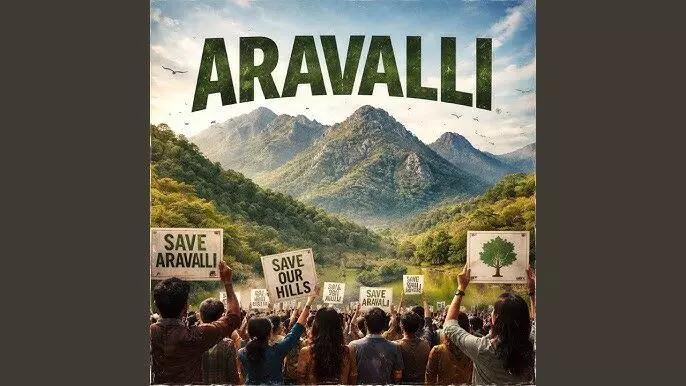
Water security is one of the most critical roles played by the Aravalli Range. In areas such as Delhi NCR and Haryana, where water shortages are common, the hills act as natural recharge zones for groundwater. Rainwater seeps through rock fractures, soil and vegetation, replenishing aquifers, lakes and wetlands.
Smaller ridges within the range serve as micro-watersheds, storing rainwater and slowly releasing it into the ground. When these hills are mined or flattened, recharge zones disappear. In many mined areas, pits have turned into stagnant pools filled with polluted runoff, further harming water quality and nearby communities.
Aravalli Range Ecology Threat and Air Quality Challenges
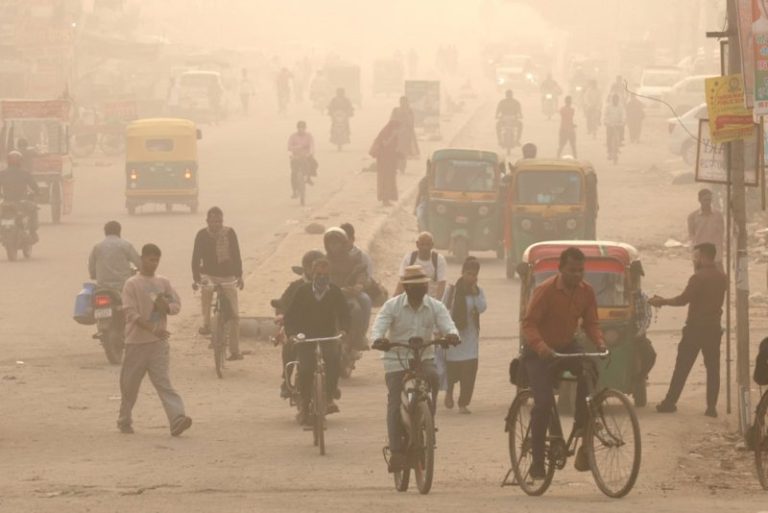
The Aravallis play a crucial role in controlling air pollution. Forested slopes and scrublands trap dust particles and reduce the intensity of dust storms that otherwise move from desert regions toward urban areas.
With Delhi and nearby cities already facing severe air pollution, damage to this natural filter could worsen health conditions. Increased dust and particulate matter can lead to higher cases of asthma, lung disease and other respiratory problems. The loss of this protective barrier would directly affect public health across northern India.
Aravalli Range Ecology Threat and Biodiversity Loss
Despite decades of mining and deforestation, the Aravalli Range remains rich in biodiversity. It supports native plant species, medicinal herbs and wildlife adapted to dry conditions. The range also acts as a wildlife corridor, allowing animals to move between forests in Gujarat, Rajasthan, Haryana and Delhi.
Breaking this connectivity isolates animal populations, reduces genetic diversity and increases conflict between humans and wildlife. As habitats shrink, animals are forced closer to human settlements, leading to safety concerns for both people and wildlife.
Aravalli Range Ecology Threat From Mining Policies
One of the most serious risks comes from policy changes that allow mining in hills below 100 metres in height. Since more than 90 percent of the Aravalli landscape falls under this category, such rules could open vast areas to extraction.
Even small hills play a big role in dust control and water management. Removing them weakens the entire system. Past experience shows that mining sites are rarely restored properly. Abandoned areas often turn into polluted zones, contaminating groundwater used for drinking and farming.
Aravalli Range Ecology Threat and Health Impacts
Recent studies and monitoring reports have raised alarms about rising pollution in the Aravalli mining belt. Groundwater samples show increased levels of lead, cadmium and fluoride, substances linked to serious health problems.
Children in affected areas face risks such as bone damage and developmental issues. Nitrate levels in water have also increased sharply in recent years, adding to concerns about long-term health effects. These signs show that environmental damage is already affecting daily life.
Aravalli Range Ecology Threat and Safari Park Proposals
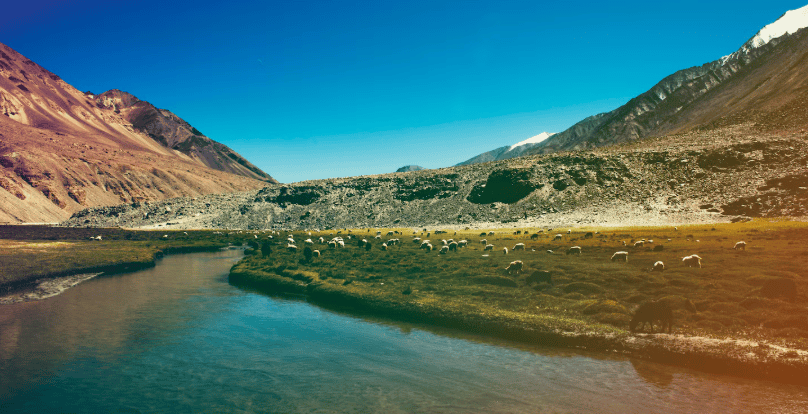
Another debated issue is the proposal to develop large safari or zoo-style tourism projects in parts of the Aravalli forest. While tourism is often seen as economic development, such projects can be harmful in dry ecosystems.
Experiences from other countries show that high tourist footfall, artificial water bodies and heavy infrastructure damage fragile landscapes. Soil layers break down, vegetation disappears and desert-like conditions spread. In the Aravallis, this could increase dust storms and reduce the region’s ability to recover naturally.
Aravalli Range Ecology Threat in a Global Context
Global examples offer strong warnings. In parts of the United States, South America and Southeast Asia, large-scale mining and deforestation have destroyed ecosystems, polluted water sources and harmed local communities.
Once natural systems collapse, recovery becomes extremely difficult and expensive. These cases show that ignoring ecological balance for short-term gains often leads to long-term losses.
Aravalli Range Ecology Threat and Policy Challenges
One major issue is that the benefits provided by the Aravalli Range such as clean air, water storage, climate control and livelihoods are rarely measured in economic terms. Without proper valuation, development projects appear more profitable than conservation.
As long as these natural services remain undervalued, policies will continue to favour construction and extraction. Recognising the true worth of the Aravallis is essential for balanced decision-making.