India’s Air Pollution Problem Persists: A Challenge for Health and Growth

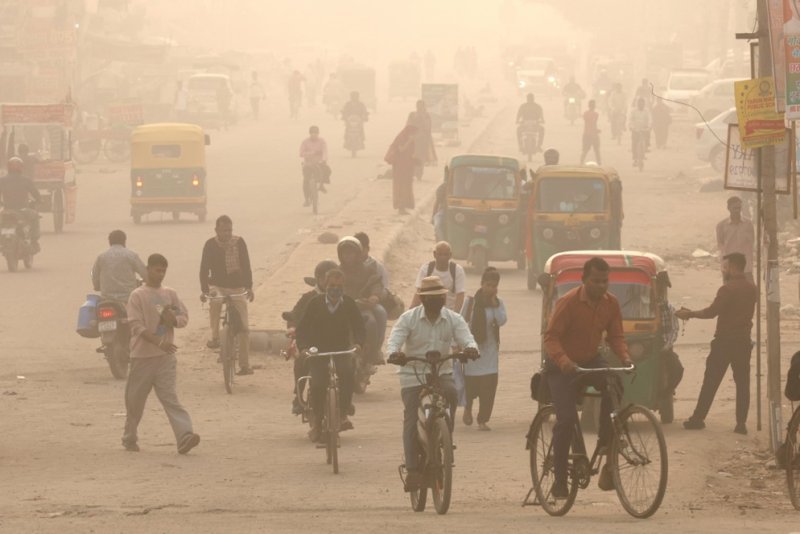
India’s Air Pollution Problem Persists, and it has become one of the most pressing public health and economic challenges facing the nation today. Air pollution, measured through the Air Quality Index (AQI), varies across regions with southern States generally faring better than the north but high AQI is a concern everywhere. Despite visible evidence of its impact, policy responses have largely been hesitant and incremental. The issue is not a lack of understanding about the damage caused by polluted air, but a persistent fear that strict action could slow economic growth. In reality, the long-term costs of inaction outweigh any short-term economic concerns.
Thank you for reading this post, don't forget to subscribe!Why High AQI Remains Tolerated: India’s Air Pollution Problem Persists
India’s policymakers often prioritize high GDP growth, operating under the assumption that strict environmental regulations will increase costs, deter investment, and slow economic expansion. As a result, air pollution is frequently treated as a secondary issue. Responses are mostly reactive, appearing only during crises like winter smog in Delhi, rather than through sustained structural reforms.
Yet the costs of poor air quality are enormous. Health care expenditures rise, productivity falls, and human capital suffers long-term damage due to respiratory diseases, cognitive impairment in children, and other pollution-related illnesses. The hesitation to act is less about lacking information and more about the misconception that economic growth and pollution control cannot coexist.
The Automobile Sector and the Missed EV Opportunity: India’s Air Pollution Problem Persists
Road transport is one of the major contributors to urban air pollution. The automobile sector exemplifies the dilemma India faces. In China, decisive policy intervention has led to a rapid shift toward electric vehicles (EVs). Today, nearly half of all new vehicles sold in China are electric, and EV prices are competitive with petrol vehicles.
In India, however, the EV transition has been slow. High upfront costs, inadequate charging infrastructure, and limited economies of scale have slowed adoption. Importantly, these barriers are policy-driven, not natural or unavoidable.
A credible strategy could include substantial EV subsidies, rapid expansion of charging infrastructure, and higher taxes on petrol and diesel vehicles. This approach could be designed to be revenue-neutral, with taxes on conventional vehicles funding EV incentives. Rather than reducing the automobile sector’s economic contribution, this strategy could restructure it in a cleaner, more sustainable direction while maintaining growth.
Children and the Hidden Cost to GDP: India’s Air Pollution Problem Persists
The economic costs of air pollution go beyond visible expenses in healthcare and infrastructure. Research shows that high AQI levels can stunt the physical and cognitive development of children, particularly in urban areas. Millions of children exposed to toxic air in their formative years face lower future productivity and earnings potential.
For example, in Delhi, approximately 500 new passenger vehicles are added daily. The cumulative health impact from such pollution creates a silent drag on future economic output. In this light, pollution control is not just an environmental or health measure it is a critical investment in long-term economic growth.
City Size and Urban Pollution: India’s Air Pollution Problem Persists
Air pollution is also a spatial challenge. India’s largest urban agglomerations, including the National Capital Region, experience high AQI partly because of their sheer size. Long commutes, traffic congestion, ongoing construction, demolition of old buildings, and constant infrastructure upgrades all contribute to particulate pollution.
The density and scale that once drove economic growth now amplify environmental stress. This creates negative feedback effects, reducing livability, slowing productivity, and increasing health risks for residents. Without careful planning, urbanization itself becomes a driver of pollution.
Expanding Smaller Cities as a Solution: India’s Air Pollution Problem Persists
Addressing India’s air pollution problem requires rethinking urbanization. Instead of allowing megacities to grow endlessly, policy should encourage the development of smaller cities and new urban centers away from existing pollution hotspots. By balancing urban growth more evenly, the nation can reduce congestion, traffic emissions, and industrial concentration in already polluted areas.
Investing in regional infrastructure, public transport networks, and green urban planning in smaller cities can ease pressure on megacities while creating new hubs for economic activity. This strategy not only mitigates pollution but also supports more sustainable long-term growth by making cities more livable and productive.

Policy and Public Action: India’s Air Pollution Problem Persists
Addressing air pollution requires coordinated efforts between government policies, industry initiatives, and public awareness. Strengthening environmental regulations, incentivizing clean technology, and adopting stricter vehicle emission standards can all contribute to lower AQI.
Public participation is equally important. Awareness campaigns about the health impacts of air pollution, adoption of cleaner fuels, and a shift toward sustainable commuting practices can complement government actions. By fostering collective responsibility, communities can play an active role in improving air quality.
India’s air pollution challenge is complex, but it is not insurmountable. With decisive action, strategic urban planning, and investment in cleaner technologies, the nation can protect public health, secure economic growth, and create a more sustainable future for its citizens.