


Cyclone Murasu Hits Andhra Pradesh

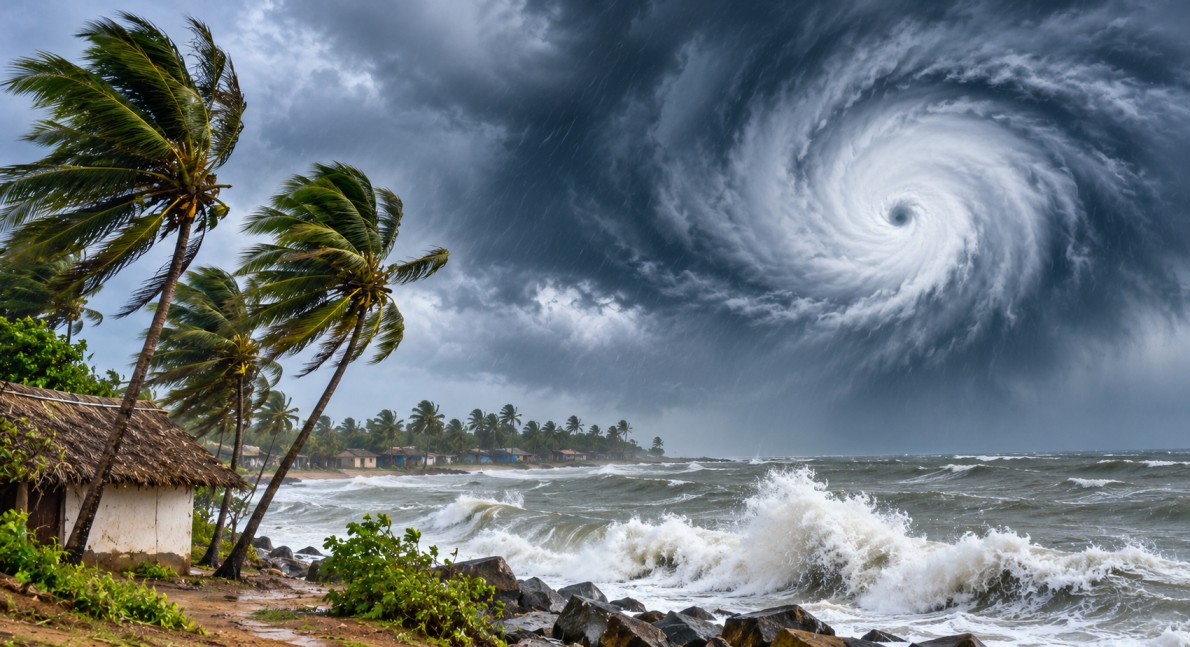
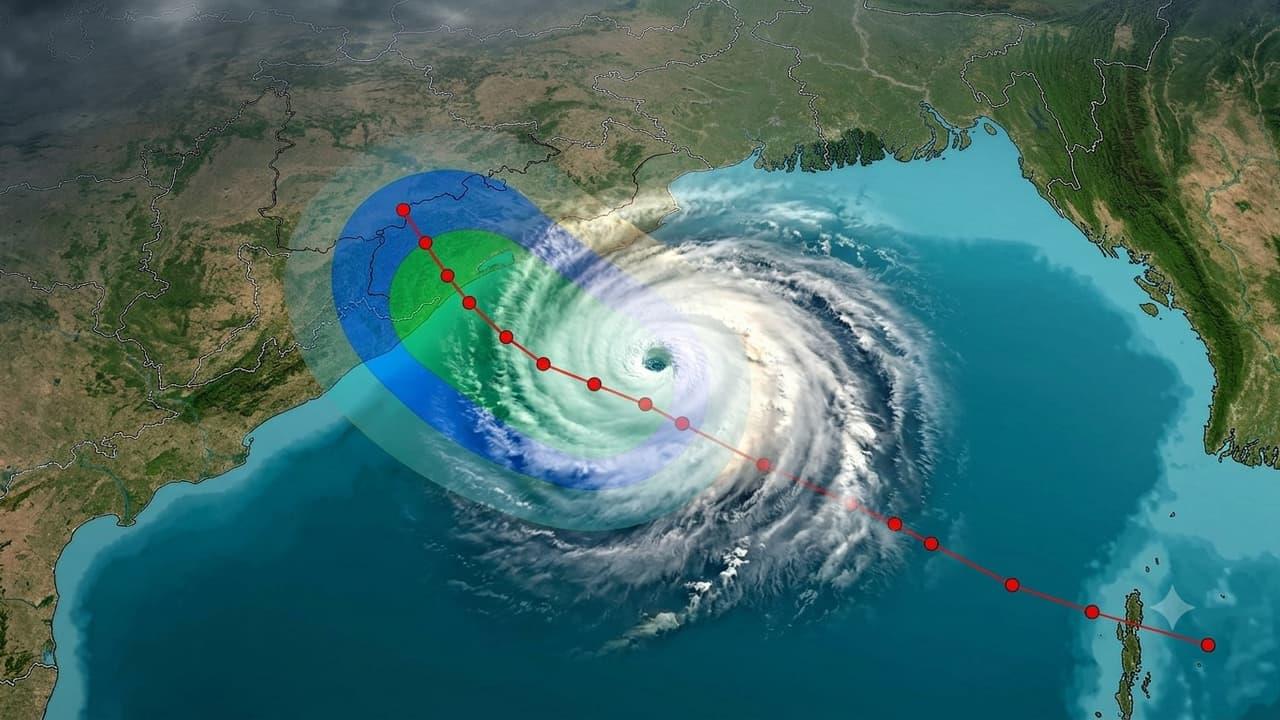
Cyclone Murasu made landfall near Ongole in Andhra Pradesh on 3 November 2026, bringing heavy rain, strong winds and the threat of coastal flooding. According to the supplied report, the eye of the Severe Cyclonic Storm crossed the coast at around 5:30 a.m. IST. The landfall took place within the expected window of 3:30 a.m. to 5:30 a.m.
Murasu is also notable because it is reported to be the first tropical cyclone to receive a Tamil name since the North Indian Ocean naming system began in September 2004. Authorities prepared for the storm by moving people from vulnerable areas to safer locations.

Cyclone Murasu and Its Tamil Name
The name Murasu was suggested by the Regional Meteorological Centre (RMC), Chennai. Murasu is a traditional Tamil percussion instrument, commonly described as a large drum.
Historically, the drum was used to share information, alert people to danger and make announcements. Its loud sound could carry across a wide area, making it useful for communicating important messages.
The naming of tropical cyclones in the North Indian Ocean is coordinated through a regional panel supported by the World Meteorological Organisation (WMO) and the United Nations Economic and Social Commission for Asia and the Pacific (UN ESCAP). India is one of the contributing members of this system.
Cyclone names help people, authorities and weather agencies identify storms clearly. They also make it easier to communicate forecasts and warnings through media and public announcements.
Landfall Near Ongole
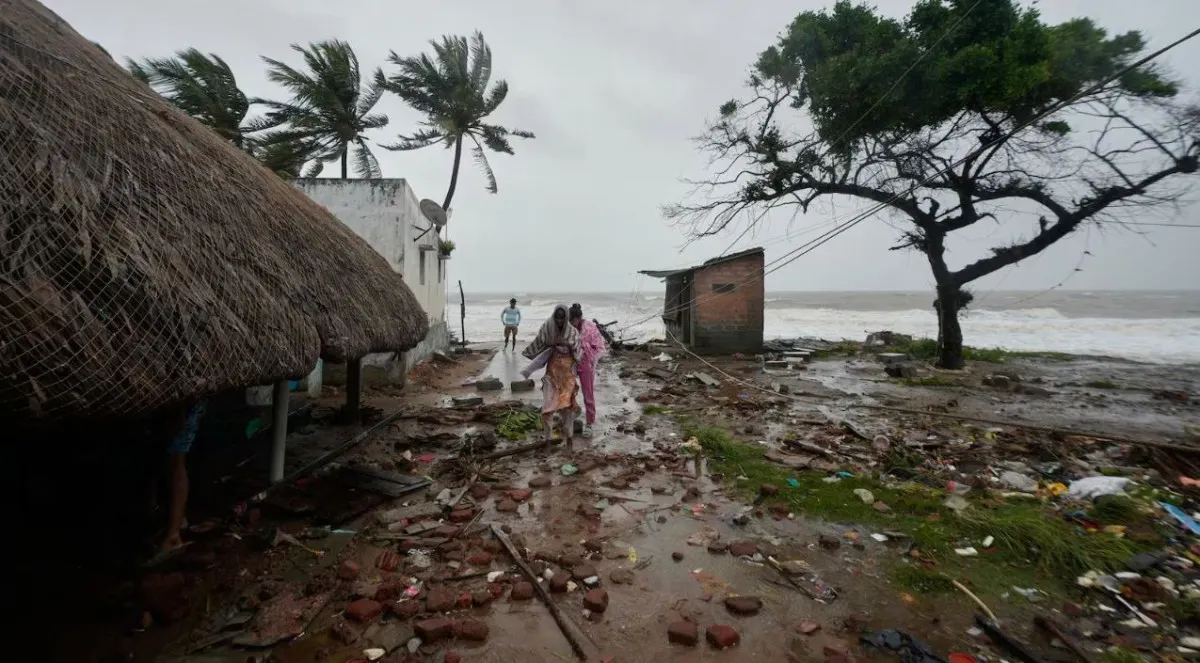
The storm’s eye reportedly crossed the coast near Ongole in Andhra Pradesh early on 3 November. The report stated that Murasu was expected to weaken into a cyclonic storm by noon and then into a deep depression by midnight.
As the system moved inland, its wind speed was forecast to decrease to around 75 kilometres per hour. Even after landfall, a cyclone can continue to bring heavy rainfall, strong winds and flooding to areas far from the coastline.
The weakening of a storm does not immediately remove the danger. Heavy rain can cause rivers and drains to overflow, while strong winds may damage homes, trees, power lines and other infrastructure.
Heavy Rainfall and Coastal Flooding Risk
Heavy to very heavy rainfall, with isolated extremely heavy falls, was forecast for several districts in Andhra Pradesh. These included Bapatla, Guntur, Krishna, Palnadu, NTR, Eluru and West Godavari.
A storm surge of around 1.0 to 1.5 metres above the astronomical tide was also expected. A storm surge is an abnormal rise in sea level caused mainly by a storm’s strong winds and low pressure.
Low-lying coastal areas were considered especially vulnerable, particularly in Bapatla, Krishna and Prakasam districts. Floodwater from a storm surge can enter coastal settlements and damage houses, roads and farmland.
Evacuation and Rescue Operations
According to the report, authorities moved about 30,000 people to safer places ahead of the cyclone’s landfall. Evacuation is an important safety measure when strong winds, heavy rainfall or coastal flooding may threaten homes and communities.
Several thatched houses reportedly collapsed in Ongole, leading to rescue operations. Thatched structures can be especially vulnerable to strong winds and heavy rain.
Emergency teams and local authorities were required to respond to damage and help people in affected areas. Residents in cyclone-prone locations are generally advised to follow official weather alerts, avoid flooded roads and stay away from damaged power lines.
Why Cyclone Warnings Matter
Cyclones can cause multiple hazards at the same time. Strong winds may damage buildings, heavy rain can trigger flooding, and storm surges can push seawater into coastal areas.
Early warnings allow authorities to arrange shelters, move people from high-risk locations and prepare emergency services. Clear communication is particularly important for coastal communities, where conditions can change quickly as a storm approaches.
Cyclone Murasu’s reported landfall near Ongole highlights the need for timely alerts and coordinated disaster response during severe weather events.