


BioSentinel Mission: NASA’s Space Study

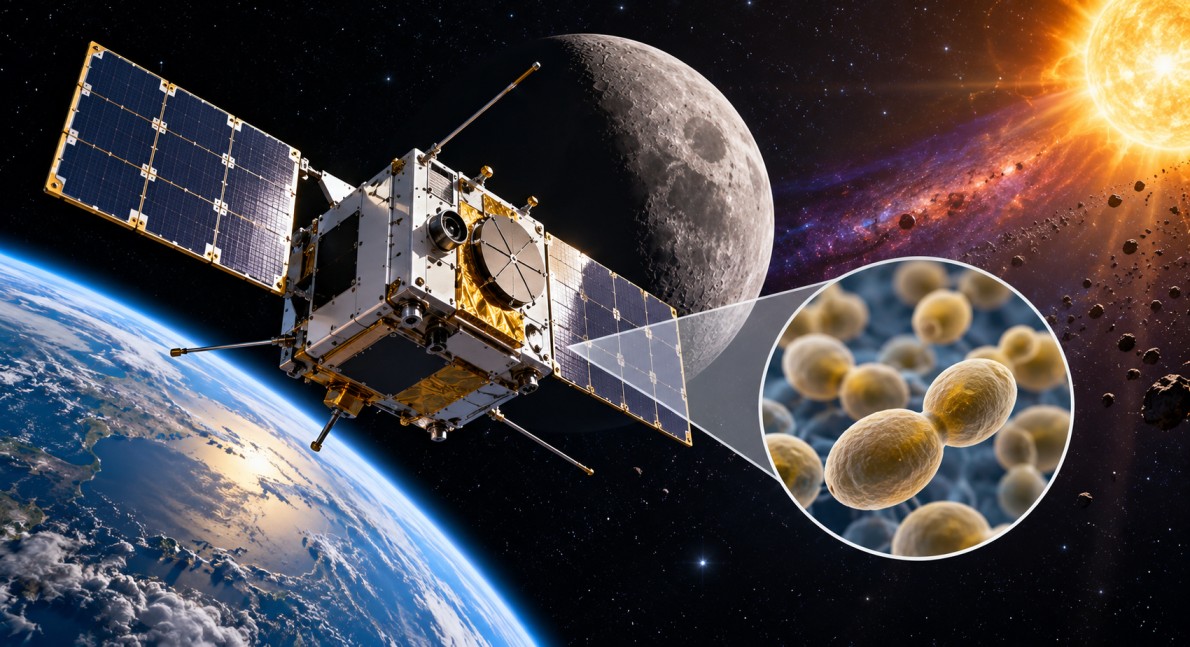
BioSentinel Mission is a NASA space research project designed to study how deep-space radiation affects living organisms. The mission uses a small satellite and an experiment involving budding yeast to investigate the effects of radiation beyond Earth’s protective environment. Developed by NASA’s Ames Research Center, BioSentinel travelled into space aboard the Artemis I mission on 16 November 2022. Its research is important for understanding the challenges that astronauts may face during future journeys to the Moon and Mars.
What Is the BioSentinel Mission?
BioSentinel is a small scientific satellite known as a CubeSat. It was designed to investigate how living cells respond to the radiation environment beyond low Earth orbit.

Earth’s magnetic field and atmosphere provide significant protection from space radiation. However, spacecraft travelling farther from Earth encounter a different radiation environment. Understanding how this radiation affects biological systems is important when planning long-duration human space missions.
BioSentinel was developed to collect information about radiation exposure and its possible effects on living organisms. It was the first mission in more than 40 years designed to conduct a biological experiment beyond low Earth orbit and collect direct experimental data from living organisms in deep space.
How Did BioSentinel Travel Into Space?
NASA launched BioSentinel on 16 November 2022 as one of ten secondary payloads aboard Artemis I. Artemis I was the first uncrewed flight test of NASA’s Artemis programme, which aims to support human exploration of the Moon and prepare for future missions farther into space.
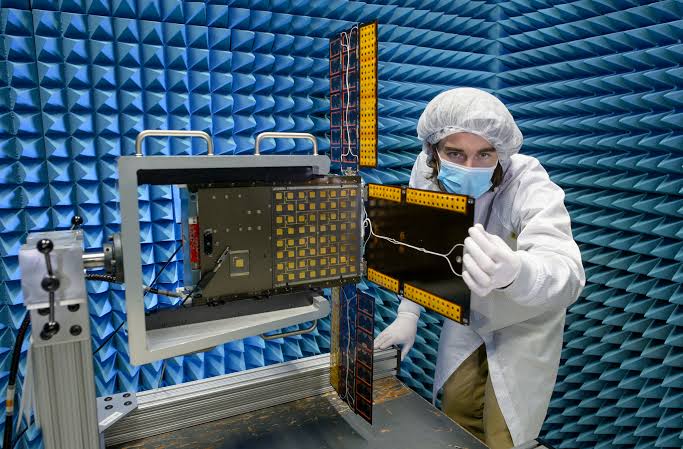
BioSentinel is a 6U CubeSat measuring approximately 10 × 20 × 30 centimetres and weighing about 14 kilograms. CubeSats are small satellites built using standardised units, each measuring roughly 10 centimetres on each side.
After travelling with Artemis I and completing its planned lunar flyby sequence, BioSentinel entered an orbit around the Sun that follows Earth at a distance. This allowed the spacecraft to operate in deep space rather than remain close to Earth.
Why Does NASA Use Yeast for Space Research?
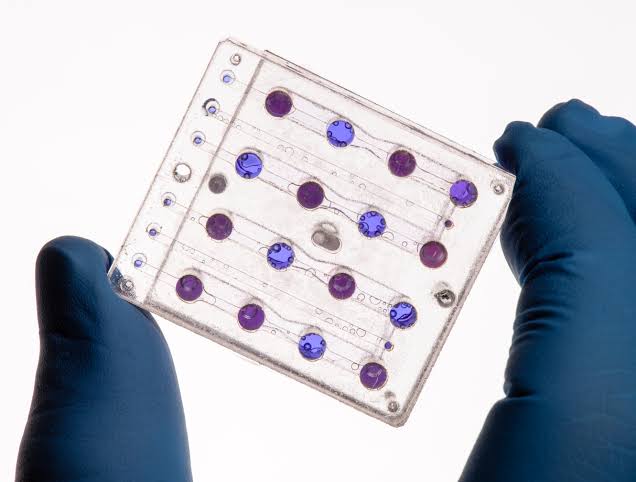
The BioSentinel Mission uses budding yeast, scientifically known as Saccharomyces cerevisiae. This microorganism is widely studied in laboratories because scientists can examine its cells, genes and responses to environmental stress.
Yeast is useful for studying DNA damage and repair. Space radiation can damage DNA, which contains the instructions cells need to function and reproduce. Cells have natural repair systems, but the effectiveness of these systems can vary depending on the type and amount of damage.
NASA designed BioSentinel’s biological experiment to examine changes in yeast cells during prolonged exposure to deep-space radiation. The results were intended to help scientists understand how radiation affects biological processes over time.
However, the yeast experiment did not produce the planned biological measurements because the cells failed to grow. NASA considered it likely that the cells had lost their ability to grow during extended storage before launch. Therefore, the mission did not establish that deep-space radiation caused the failure.
How Does BioSentinel Measure Space Radiation?
Along with its biological experiment, BioSentinel carries a Linear Energy Transfer (LET) spectrometer. This instrument measures how much energy radiation deposits as it passes through matter.
Different types of radiation can transfer energy in different ways. Measuring this energy transfer helps scientists characterise the radiation environment around the spacecraft.
These measurements are important because space radiation can come from several sources, including the Sun and galactic cosmic rays. Radiation levels can also change with solar activity.
The spectrometer continued collecting radiation data after the biological experiment failed to produce the expected results. These measurements remain scientifically useful because they help researchers study the environment that future spacecraft and astronauts may encounter.
Why Is BioSentinel Important for Future Moon and Mars Missions?
The BioSentinel Mission addresses a major challenge in human space exploration: protecting astronauts from radiation during long journeys. Missions beyond Earth orbit expose crews to radiation conditions that differ from those experienced by astronauts in low Earth orbit.
Long-term exposure to space radiation can damage cells and DNA. Understanding these effects can help scientists develop better methods to assess risks and plan future missions.
BioSentinel also demonstrates how small satellites can support specialised scientific research. CubeSats are smaller than traditional spacecraft, but they can carry instruments designed for focused experiments.
Although its yeast experiment did not work as intended, the spacecraft’s radiation measurements contribute to research on the deep-space environment. The mission also provides lessons for designing future biological experiments, including the need to ensure that biological samples remain viable during storage, launch and long periods in space.
NASA’s wider Artemis programme continues to develop technologies and gather knowledge needed for lunar exploration. Research into radiation and living organisms is one part of preparing for longer human journeys, including possible future missions to Mars.