Sone River Pact Signed

Sone River Pact between Bihar and Jharkhand is set to settle a long-running dispute over the sharing of Sone river water between the two states. The agreement is scheduled to be signed on 31 August 2026 and comes nearly 26 years after Jharkhand was created as a separate state from Bihar in November 2000. The settlement is expected to provide a clearer framework for water allocation and support irrigation planning in both states.
The dispute over the Sone river developed after the division of Bihar because the two states had to determine how the water resources and irrigation systems of the undivided state would be shared. The new agreement seeks to address this issue through a fixed allocation based on the historical share associated with the river system.

Sone River Water Allocation
Under the proposed Sone River Pact, Bihar will receive 5.75 million acre-feet (MAF) of water, while Jharkhand will receive 2.0 MAF. Together, the two states will receive 7.75 MAF.
This total corresponds to the water allocation that was originally associated with undivided Bihar under the 1973 Bansagar Agreement. Establishing a defined allocation is expected to make water planning easier for both states, particularly during periods when river flows change significantly.
Water-sharing agreements are important in river basins because several states may depend on the same water source for agriculture, drinking water, industries and other activities. A clear allocation can help reduce uncertainty and provide a basis for future coordination.
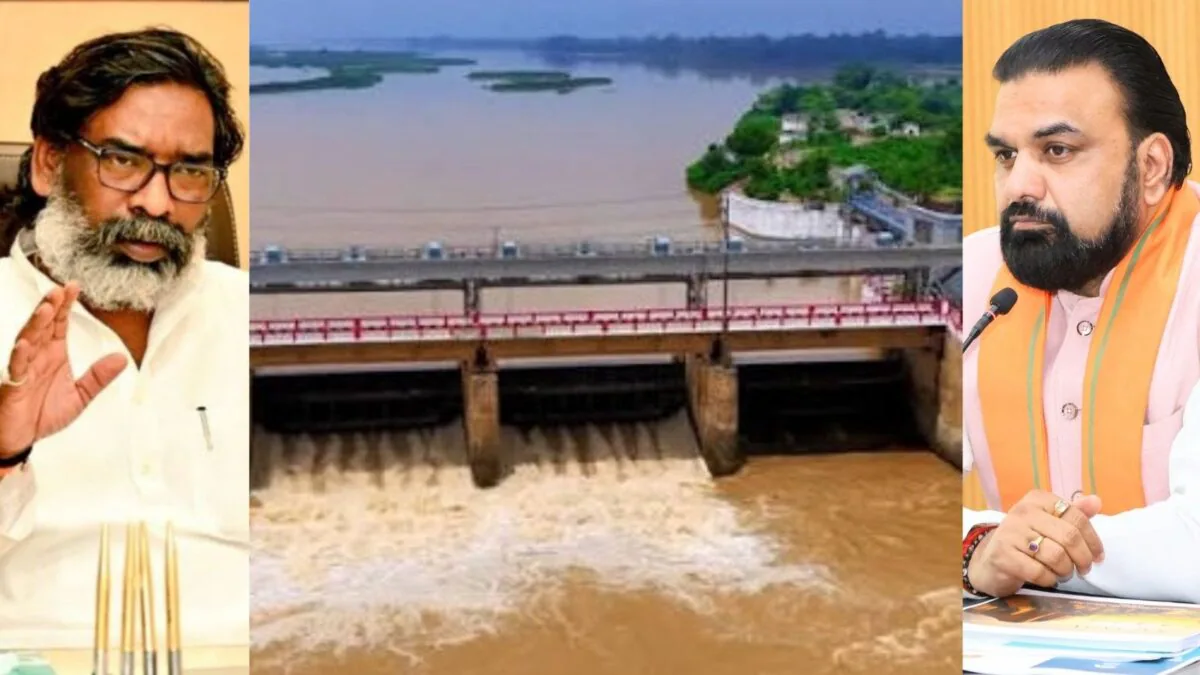
Sone River and the Ganga Basin
The Sone is one of the major southern tributaries of the Ganga. It flows through parts of central and eastern India before joining the Ganga in Bihar.
The river has significant importance for irrigation, particularly across the agricultural areas of Bihar. Its water is connected with the Sone canal network, which supports farming across several districts.
Jharkhand also depends on water resources from the Sone basin for local needs. The state’s geography includes large areas of plateau and forest, making water management important for agriculture, communities and development projects.
Background of the Bansagar Agreement
The water allocation under the new arrangement has its roots in the Bansagar Agreement signed in 1973. The agreement involved Madhya Pradesh, Uttar Pradesh and undivided Bihar and dealt with the use and distribution of Sone river water.
When Jharkhand was formed in 2000, the earlier arrangement had to be considered in the context of the new state boundaries. Differences over how the water allocation should be divided between Bihar and Jharkhand continued for years.
The proposed agreement now seeks to provide a settlement between the two states while maintaining the overall allocation associated with undivided Bihar.
Role of the Union Ministry of Jal Shakti
The Union Ministry of Jal Shakti played a key role in bringing the two states closer to a settlement. A committee chaired by the Central Water Commission worked on the issue and helped facilitate discussions between Bihar and Jharkhand.
The Central Water Commission is a technical organisation under the Ministry of Jal Shakti and deals with areas such as water resources planning, river development and flood management.
The mediation process provided a platform for the two states to discuss their respective requirements and work towards an agreed distribution formula.
Eastern Zonal Council Meeting
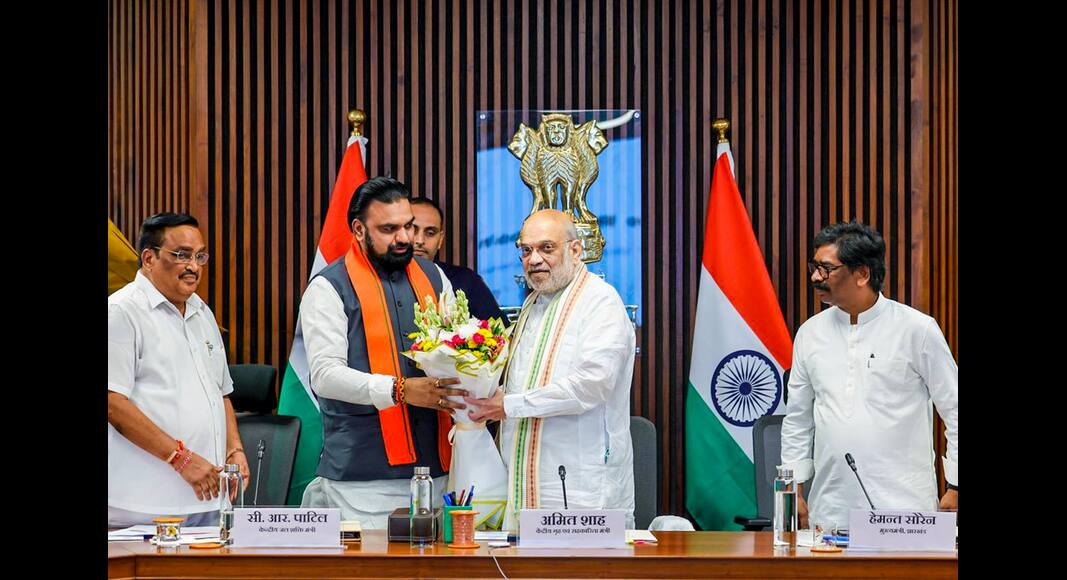
An important development in the negotiations came during the Eastern Zonal Council meeting held in Ranchi on 10 July 2025. The meeting was chaired by Union Home Minister Amit Shah.
The Eastern Zonal Council provides a forum where states in eastern India can discuss issues involving regional development, infrastructure, security and inter-state coordination.
The Sone river dispute was among the issues that required cooperation between Bihar and Jharkhand. Discussions through the council helped maintain attention on the need for a negotiated settlement.
Bihar Cabinet Approves the Draft
The Bihar Cabinet, headed by Chief Minister Nitish Kumar, approved the draft water-sharing agreement on 13 January 2026. The approval cleared an important stage in the process and allowed the state to move towards formalising the arrangement.
The agreement is closely linked with the Sone canal system, which plays an important role in irrigation across several districts of Bihar.
The districts expected to benefit from improved clarity in water planning include Bhojpur, Buxar, Rohtas, Kaimur, Aurangabad, Patna, Gaya and Arwal.
Irrigation and Agricultural Importance
Agriculture is one of the major areas that could benefit from a stable water-sharing arrangement. Farmers in the Sone command area depend on canal water for irrigation, particularly during periods when rainfall is insufficient.
A more predictable water allocation can help authorities plan irrigation releases and manage available supplies more efficiently. It can also make it easier to coordinate the operation of reservoirs, canals and other water infrastructure.
The agreement is particularly relevant as both Bihar and Jharkhand face changing water requirements due to population growth, urban development and increasing pressure on natural resources.
Future Water Management
The Sone River Pact also highlights the importance of cooperation between neighbouring states that share river systems. Rivers do not follow administrative boundaries, so decisions taken in one state can affect water availability and management in another.
Climate variability adds another challenge to river management. Changes in rainfall patterns, prolonged dry periods and episodes of heavy rainfall can make water planning more difficult.
For Bihar and Jharkhand, a formal agreement provides a basis for continued coordination over the Sone river and its irrigation network. The settlement also brings a long-running inter-state water dispute closer to resolution after years of discussions following the creation of Jharkhand.