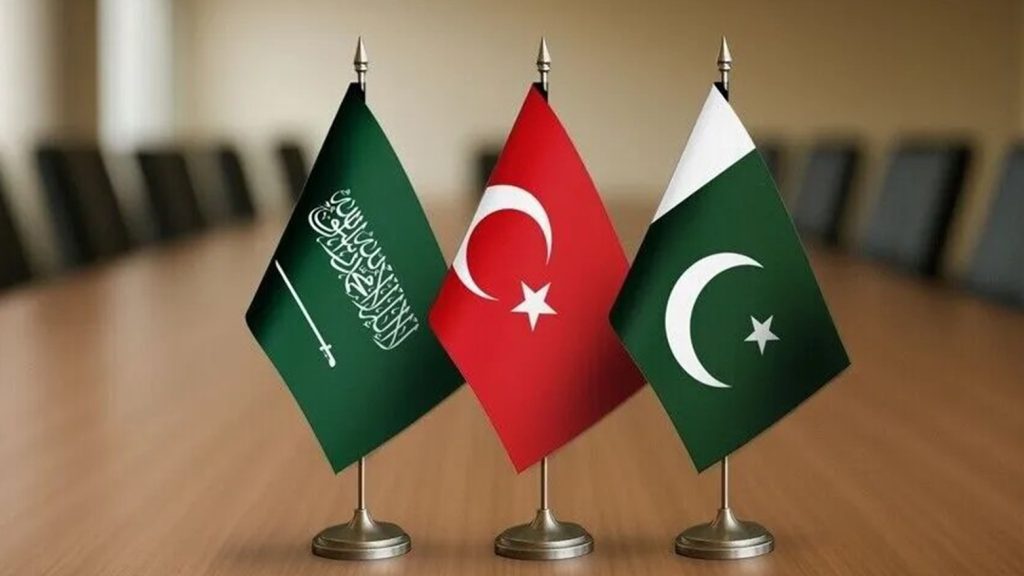
Defence Pact Meeting in Istanbul

Defence Pact talks between Turkey, Saudi Arabia and Pakistan are set to move into a new phase with the first ministerial and committee meeting of their newly established trilateral security partnership in Istanbul on 31 August 2026. The meeting follows the signing of the Mecca Joint Defence Agreement earlier this month and is expected to outline how the three countries will coordinate on security, military cooperation and defence production.
The new partnership comes at a time of changing security conditions across the Middle East, South Asia and the wider Eurasian region. Turkey, Saudi Arabia and Pakistan have existing defence relationships with one another, but the new agreement creates a formal three-country framework for closer coordination.

Mecca Joint Defence Agreement
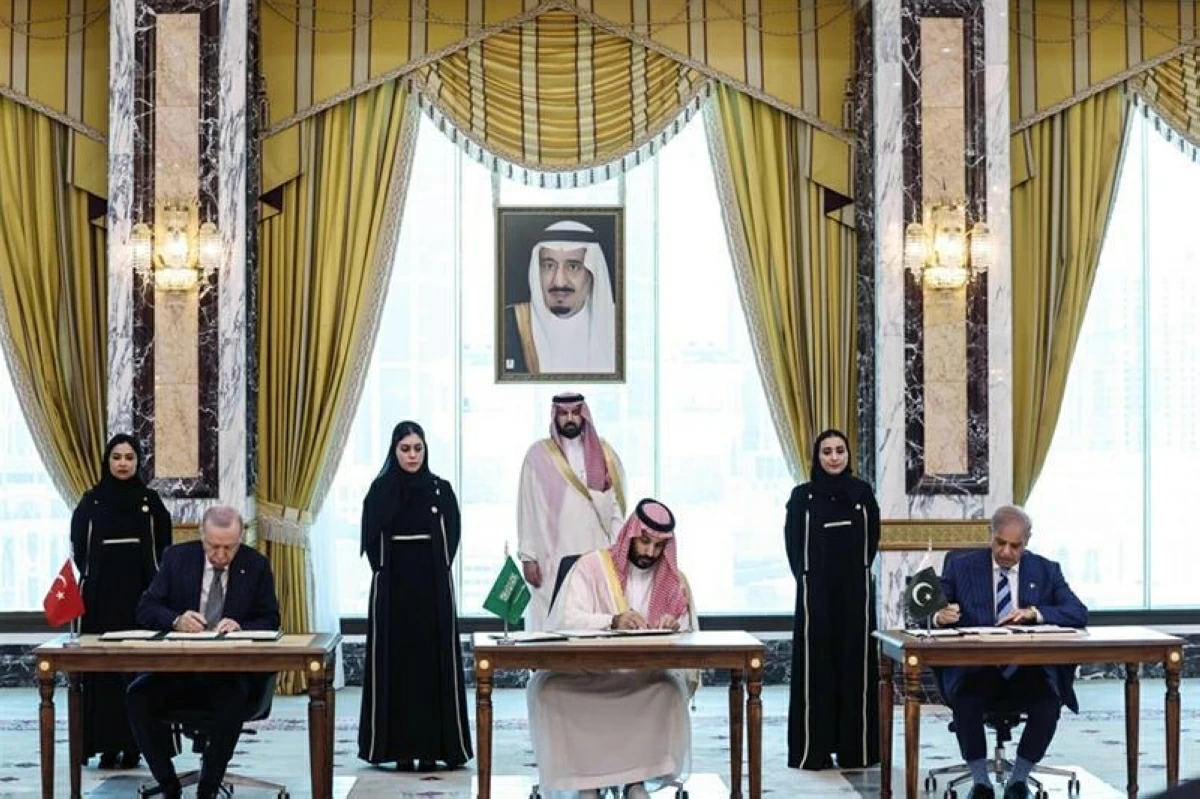
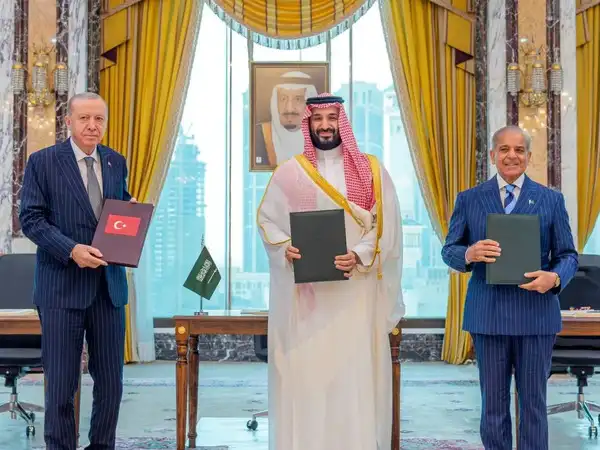
The Defence Pact was established through the Mecca Joint Defence Agreement signed on 7 August 2026 in Mecca, Saudi Arabia. Turkish President Recep Tayyip Erdogan, Saudi Crown Prince Mohammed bin Salman and Pakistani Prime Minister Shehbaz Sharif signed the agreement.
One of the most significant parts of the agreement is its collective security provision. Under the arrangement, an armed attack against one member is treated as an attack against all three members.
This type of clause is designed to strengthen deterrence by making clear that military aggression against one partner could result in a wider response. The principle is similar in structure to Article 5 of the North Atlantic Treaty Organisation (NATO), although the new trilateral arrangement has its own political and regional context.
First Ministerial Meeting
The Istanbul meeting will be the first ministerial-level gathering since the agreement was signed. Foreign ministers, defence ministers and military chiefs from the three countries are expected to participate in discussions.
Pakistan’s Deputy Prime Minister and Foreign Minister Ishaq Dar is among the senior officials expected to attend. Defence and foreign policy representatives from Turkey and Saudi Arabia are also expected to take part.
The meeting is important because the agreement now needs an institutional structure to turn its broad commitments into regular cooperation. A strategic committee involving senior political and military officials could provide a mechanism for future consultations and coordination.
Areas of Defence Cooperation
The three countries are expected to discuss several areas of defence cooperation. These include international security developments, military capabilities, joint exercises, troop interoperability and defence industry cooperation.
Military interoperability means the ability of armed forces from different countries to work together effectively. This can involve compatible communication systems, common procedures, coordinated planning and joint training.
Greater interoperability can make it easier for countries to conduct combined military exercises and respond to shared security concerns.
The proposed cooperation in defence production could also become an important part of the partnership. Joint production can include the development, manufacturing and maintenance of military equipment. Technology cooperation and industrial partnerships could allow the three countries to make greater use of their respective defence capabilities.
Turkey’s Role in the Partnership
Turkey brings a major defence manufacturing sector and significant military experience to the partnership. Its defence industry has expanded considerably in recent years, particularly in areas such as unmanned aerial systems, naval platforms, armoured vehicles and missile technologies.
Turkey also has long-standing military ties with Pakistan. Cooperation between the two countries has included naval projects, aircraft-related programmes and military training.
Its participation in the new trilateral arrangement could therefore provide opportunities for wider defence-industrial cooperation.
Saudi Arabia’s Security Interests
Saudi Arabia is seeking to strengthen its defence capabilities while also expanding domestic military production. The country has invested heavily in developing its defence industry and reducing dependence on foreign suppliers.
Closer cooperation with Turkey and Pakistan could provide additional opportunities in military training, technology, production and strategic coordination.
Saudi Arabia also plays an important role in the security environment of the Gulf and the wider Middle East. Regional issues, maritime security and changing geopolitical relationships are likely to remain important considerations for its defence policy.
Pakistan’s Strategic Position
Pakistan has traditionally maintained close defence ties with several countries, including Turkey and Saudi Arabia. Its participation gives the new partnership a South Asian dimension.
Pakistan’s military relationship with Turkey has grown in recent years, while Saudi Arabia has maintained long-standing political, economic and security links with Pakistan.
The new framework could provide a platform for these existing relationships to develop into more structured trilateral cooperation.
Regional Security Context
The Defence Pact comes as several regions surrounding the three countries face continuing security challenges. Conflicts and tensions in the Middle East, developments in the Red Sea, instability in parts of West Asia and wider geopolitical competition have increased attention on defence partnerships.
For Turkey, Saudi Arabia and Pakistan, cooperation can provide another channel for discussing regional security issues and coordinating their positions.
However, the practical importance of the agreement will depend on how its institutions develop, how frequently military cooperation takes place and whether joint defence projects move forward.
Defence Industry and Future Cooperation
Joint defence production is one of the areas that could have long-term economic and strategic importance. Turkey has developed a growing domestic defence industry, Saudi Arabia is seeking to expand local manufacturing, and Pakistan has established capabilities in areas including aircraft, armoured vehicles and military equipment.
Cooperation among the three could therefore extend beyond traditional military exercises. Potential areas include research, manufacturing, maintenance, training and technology development.
The Istanbul meeting is expected to provide an initial framework for these discussions and establish channels for continued engagement among the three countries.
The first ministerial gathering following the Mecca Joint Defence Agreement will therefore focus on building the institutional structure of the partnership and identifying practical areas where Turkey, Saudi Arabia and Pakistan can work together on defence and security.