


US Global Shift: Jaishankar

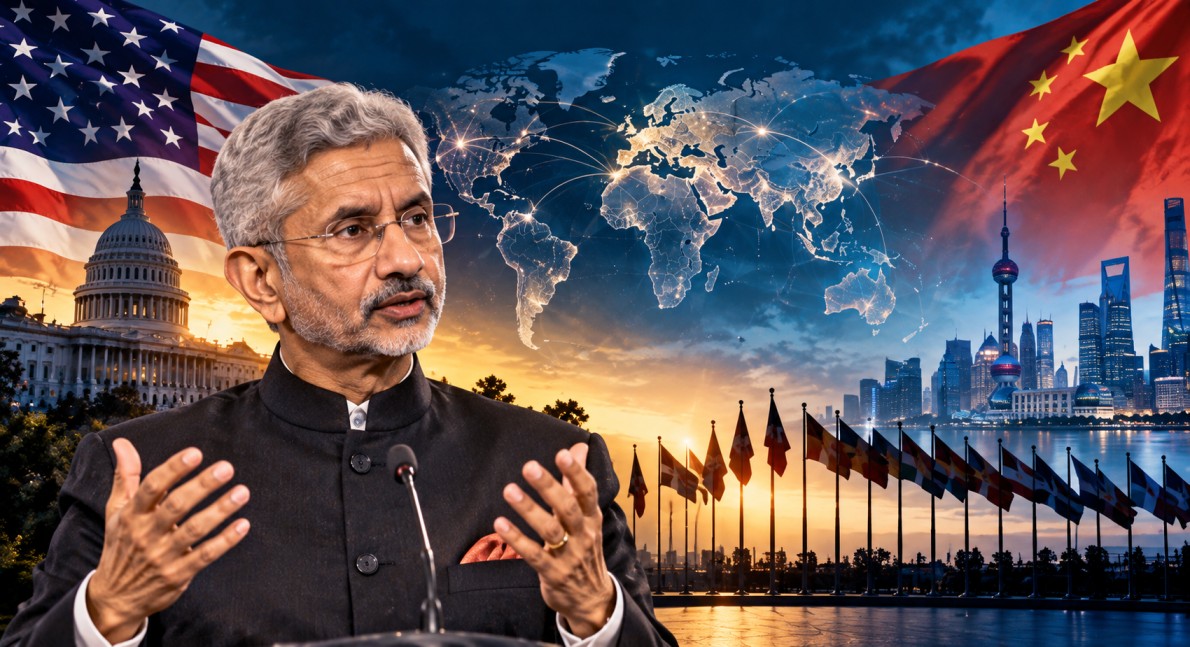
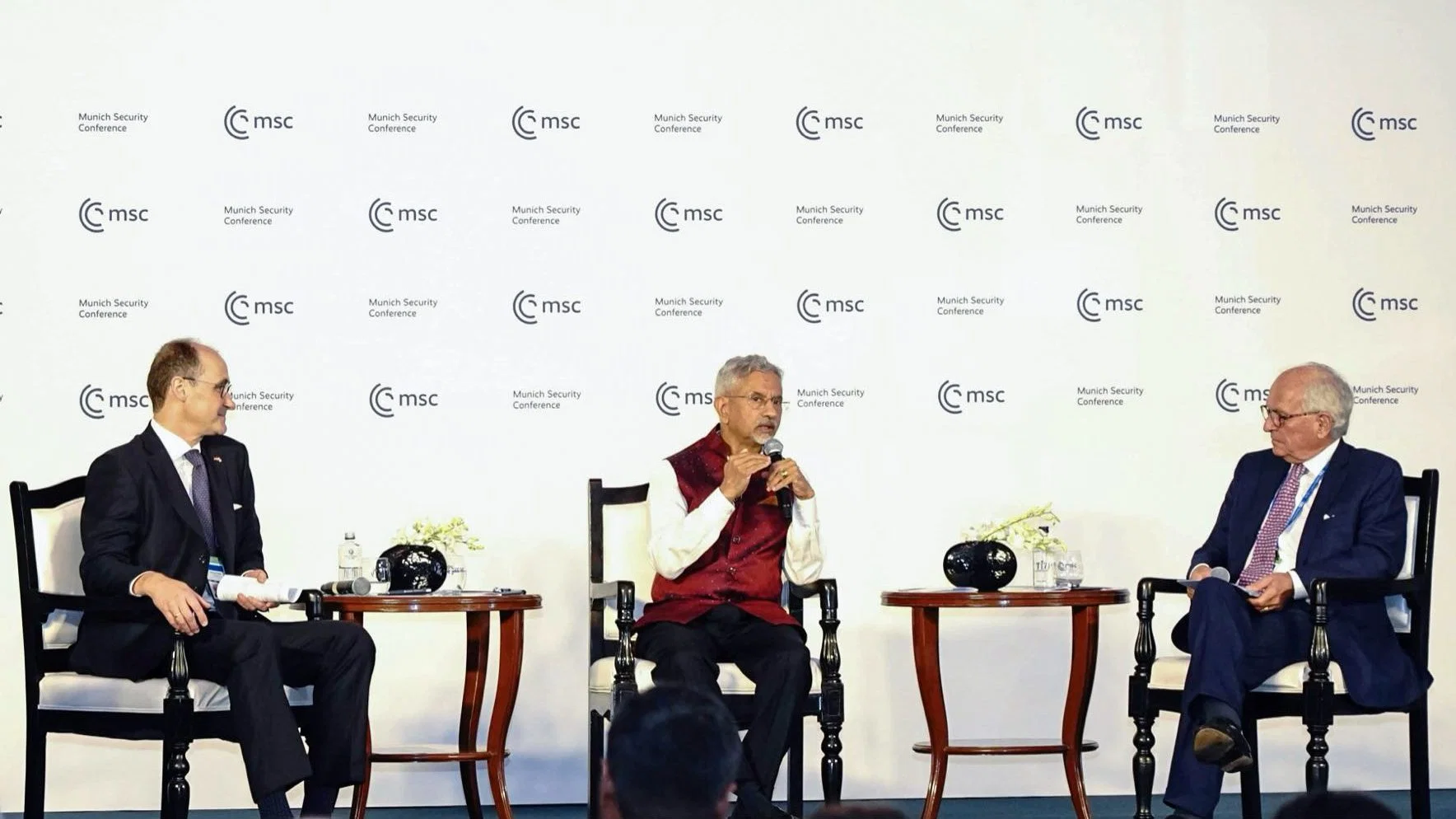
US Global Shift is changing the balance of international politics, according to External Affairs Minister S. Jaishankar, who said the United States has “deliberately become a lonelier power” as its global position changes. Speaking at the Munich Leaders Meeting in New Delhi on October 4, 2026, Jaishankar pointed to the changing US approach and the rise of China as two major features of the current global order.
Thank you for reading this post, don't forget to subscribe!Jaishankar on America’s Changing Role
Jaishankar described the change in the US position as a “radical repositioning”. He said Washington’s changing approach was a choice and had made the country more isolated in some parts of the international system.
His comments came during discussions on the changing world order at the Munich Leaders Meeting. The event brought together policymakers and experts to discuss international security, geopolitics and major changes affecting global relations.
Jaishankar’s remarks come as countries are reassessing their relationships with major powers. The United States remains a major economic, military and technological power, but countries are increasingly looking for more flexible partnerships instead of relying heavily on one major partner.
China’s Rise Changes Global Competition
The US Global Shift is taking place alongside China’s growing influence. Jaishankar identified China’s rise as the second major feature of the changing international landscape.
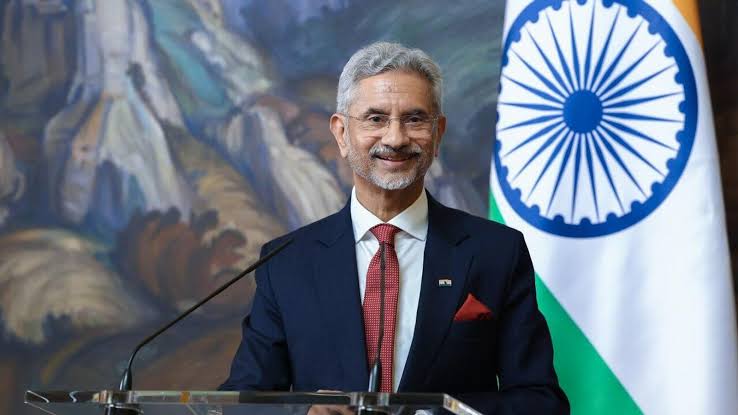
He described the competition between the US and China as increasingly sharp but said the rivalry is no longer limited to those two countries. Countries around the world are also using their economic, technological and strategic strengths to protect their interests.
This has increased the importance of trade, technology, energy, supply chains and access to critical resources in international relations. These areas are increasingly connected with national security and foreign policy.
Countries Look for More Flexibility
Jaishankar also spoke about the changing role of emerging and middle powers. He said these countries are becoming more aware of their own interests and are looking for greater self-reliance.
Instead of choosing one side, many countries are trying to maintain relationships with several major powers. This approach can include diversifying trade, strengthening domestic capabilities and developing new partnerships.
According to Jaishankar, countries do not always need to agree on every issue before working together. Cooperation can develop where there is enough common ground between countries.
De-Risking and Supply Chain Diversification
The US Global Shift is also connected with the growing focus on de-risking and supply chain diversification. Global disruptions in recent years have shown how strongly countries depend on international production and transport networks.
Governments are now seeking alternative suppliers and markets for important goods and technologies. This is particularly visible in sectors such as semiconductors, energy, critical minerals, defence equipment and advanced technology.
Jaishankar said emerging and middle powers were increasingly interested in building resilient supply chains and developing cooperation based on specific areas of shared interest.
India’s Position in a Changing World
For India, the changing global environment has increased the importance of maintaining relationships with multiple major powers.
India has strategic and economic ties with the United States, while also maintaining long-standing relations with Russia and engaging with China through several multilateral platforms. India is also active in groupings and initiatives such as the Quad, BRICS and other international partnerships.
Jaishankar said emerging powers could cooperate with both the United States and China when their interests did not directly conflict. This approach reflects India’s broader effort to maintain strategic flexibility in a changing international environment.
Technology Becomes a Major Part of Geopolitics
Technology is becoming increasingly important in global competition. Artificial intelligence, semiconductors, telecommunications, space technology and advanced manufacturing are now closely connected with economic and strategic power.
India and European countries are also exploring deeper cooperation in areas such as artificial intelligence, semiconductors, advanced manufacturing, life sciences, space and defence. These areas could become important parts of India’s international partnerships as countries seek reliable technology and supply chains.
Indo-Pacific Remains Important
The US Global Shift also has implications for the Indo-Pacific, where India, the United States, China, Japan, Australia and other countries have important economic and security interests.
India continues to work with partners on maritime security, connectivity, trade and regional stability. At the same time, New Delhi maintains diplomatic engagement with countries across Asia, Europe, the Middle East and other regions.
The changing global environment means that countries are increasingly trying to combine cooperation with strategic independence.
A More Complex Global Order
Jaishankar said the world is experiencing both strong competition and deep interdependence. Countries may compete in one area while continuing to depend on each other in another.
For example, nations can compete over technology and trade while remaining connected through global supply chains. They may also cooperate on climate change, health, energy or disaster management despite disagreements on security issues.
This combination makes the present international system more complicated than a simple rivalry between two major powers.
The US Global Shift, China’s growing influence and the increasing role of middle powers are therefore contributing to a more flexible and competitive international environment. For countries such as India, the focus is increasingly on maintaining multiple partnerships, strengthening domestic capabilities and working with other nations wherever interests overlap.