



Cancer Mutation Treatment Target: Turning Drug Resistance into a New Hope for Cancer Care

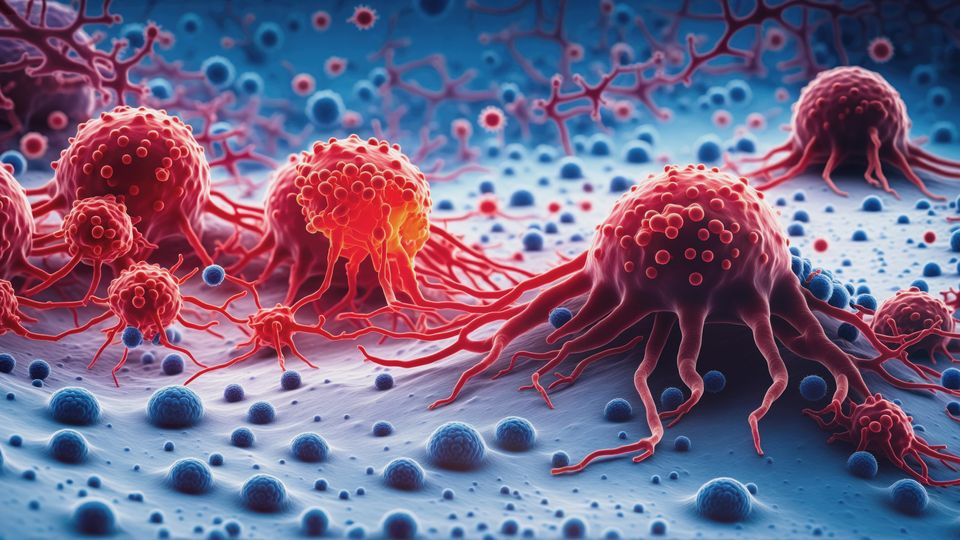
Cancer Mutation Treatment Target is emerging as a powerful idea in modern oncology, especially at a time when many cancers stop responding to standard treatments. A new international study has shown that the very mutations which help tumours escape drugs can be transformed into targets for advanced immunotherapy. This breakthrough research, led by Israel’s Weizmann Institute of Science, offers fresh hope for patients facing therapy-resistant cancers and signals a possible shift in how future cancer treatments are designed.
Thank you for reading this post, don't forget to subscribe!Understanding the Problem of Drug Resistance
Cancer treatment has advanced rapidly over the past few decades. Targeted therapies and precision medicines have helped many patients live longer and better lives. However, a major challenge remains. Over time, cancer cells can change. They develop genetic mutations that allow them to survive even when powerful drugs are used against them. This process is known as acquired drug resistance.
In many metastatic cancers, doctors see an encouraging response at first. Tumours shrink, symptoms reduce, and patients feel better. But after months or years, the disease often returns. The cancer has adapted. These resistant cancer cells continue to grow despite treatment, making the disease much harder to control. This is why researchers across the world are searching for new cancer mutation treatment target strategies that go beyond traditional drugs.
A New Way of Looking at Cancer Mutations
Traditionally, mutations that cause drug resistance have been seen as bad news. They are the reason treatments fail. The new study challenges this idea. Instead of only trying to block or avoid these mutations, scientists asked a different question: what if these mutations could be used against the cancer itself?
The research team discovered that many resistance-causing mutations create unique protein fragments. These fragments, called neo-antigens, appear only on cancer cells and not on healthy cells. This makes them an attractive cancer mutation treatment target because the immune system can be trained to recognise and attack them.
SpotNeoMet: Technology Behind the Discovery
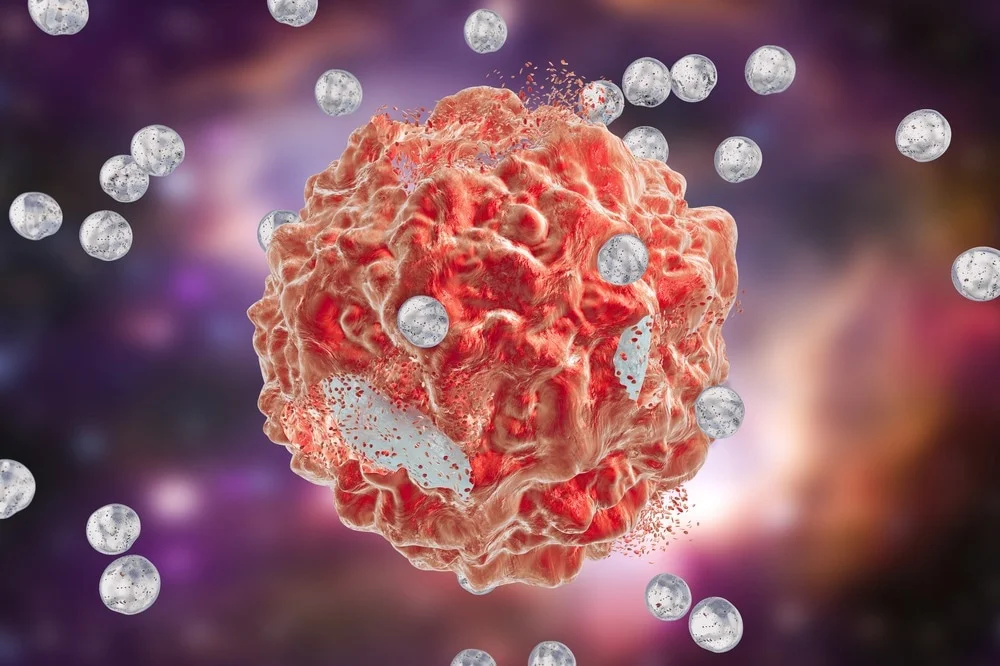
A key part of the study is a new computational tool called SpotNeoMet. This advanced software analyses genetic data from many cancer patients to find resistance mutations that appear again and again across different individuals.
Why is this important? Most immunotherapies today are highly personalised. They are designed for one patient at a time, based on that person’s unique tumour mutations. While effective, these treatments are complex, expensive, and difficult to scale.
SpotNeoMet changes this approach. It identifies shared resistance mutations that produce common neo-antigens. These shared features make it possible to design treatments that could work for many patients, not just one. This makes cancer mutation treatment target strategies more practical and accessible on a larger scale.
Turning Tumour Defence into a Weak Point
Professor Yardena Samuels of the Weizmann Institute explains that the research flips traditional thinking on its head. The same mutations that protect cancer cells from drugs can expose them to immune attack.
When the immune system is trained to recognise neo-antigens created by resistance mutations, it can selectively destroy cancer cells while leaving healthy cells unharmed. This precision is one of the biggest advantages of immunotherapy.
In simple terms, cancer cells use mutations as a shield against drugs. Scientists are now learning how to turn that shield into a signal that tells the immune system exactly which cells to attack. This idea lies at the heart of the cancer mutation treatment target concept.
Evidence from Metastatic Prostate Cancer
To test their theory, the researchers focused on metastatic prostate cancer. This is a disease where treatment resistance is common. Most patients eventually stop responding to standard hormone-based therapies.
Using SpotNeoMet, the team identified three neo-antigens linked to resistance mutations that were shared among many prostate cancer patients. Laboratory experiments and mouse studies showed encouraging results. Immune cells trained to recognise these neo-antigens were able to attack cancer cells effectively.
What makes this especially promising is that the approach does not rely on one-of-a-kind therapies. Instead of building a unique treatment for each patient, scientists could develop therapies targeting these common mutations. This greatly increases the potential reach of cancer mutation treatment target-based immunotherapy.
Broader Impact on Cancer Treatment
The implications of this research go beyond prostate cancer. Drug resistance is a problem in many cancers, including lung cancer, breast cancer, and melanoma. If shared resistance mutations can be identified in these diseases, similar immunotherapies could be developed.
This strategy also fits well with existing treatments. Rather than replacing targeted drugs, cancer mutation treatment target therapies could be used alongside them. For example, when resistance begins to develop, immunotherapy could step in to attack the newly mutated cancer cells.
Such combination approaches may help extend the effectiveness of treatments and delay or prevent relapse.
Why This Matters for Patients
For patients, drug resistance often feels like hitting a wall. When a treatment stops working, options become limited, and uncertainty grows. Research like this offers a new direction.
By using the cancer’s own survival tricks as targets, scientists are opening a new front in the fight against the disease. The focus on shared mutations also means that future treatments could be more widely available and less costly than fully personalised therapies.
The Road Ahead
While the results are promising, researchers stress that more work is needed. Clinical trials in humans will be required to confirm safety and effectiveness. Scientists will also need to explore how many different cancers share similar resistance mutations.
Still, the study marks an important step forward. It shows that resistance does not have to be the end of the road. With the right tools and ideas, it can become an opportunity.
A New Chapter in Cancer Research
The concept of Cancer Mutation Treatment Target represents a shift in mindset. Instead of seeing mutations only as obstacles, researchers are learning to view them as clues and opportunities. By combining technology, immunology, and genetics, this approach could reshape how resistant cancers are treated in the future.
As research continues, this strategy may help turn one of cancer’s greatest strengths its ability to adapt into one of its greatest weaknesses.