Euthalia Zubeengargi Discovery in Arunachal Pradesh

Euthalia Zubeengargi Discovery marks an important addition to India’s rich biodiversity. A new butterfly species, Euthalia zubeengargi, has been recorded in Arunachal Pradesh, highlighting the ecological value of the northeastern region. This area is well known for its unique plants and animals and continues to be a hotspot for discovering new species.
Thank you for reading this post, don't forget to subscribe!About Euthalia Zubeengargi Discovery
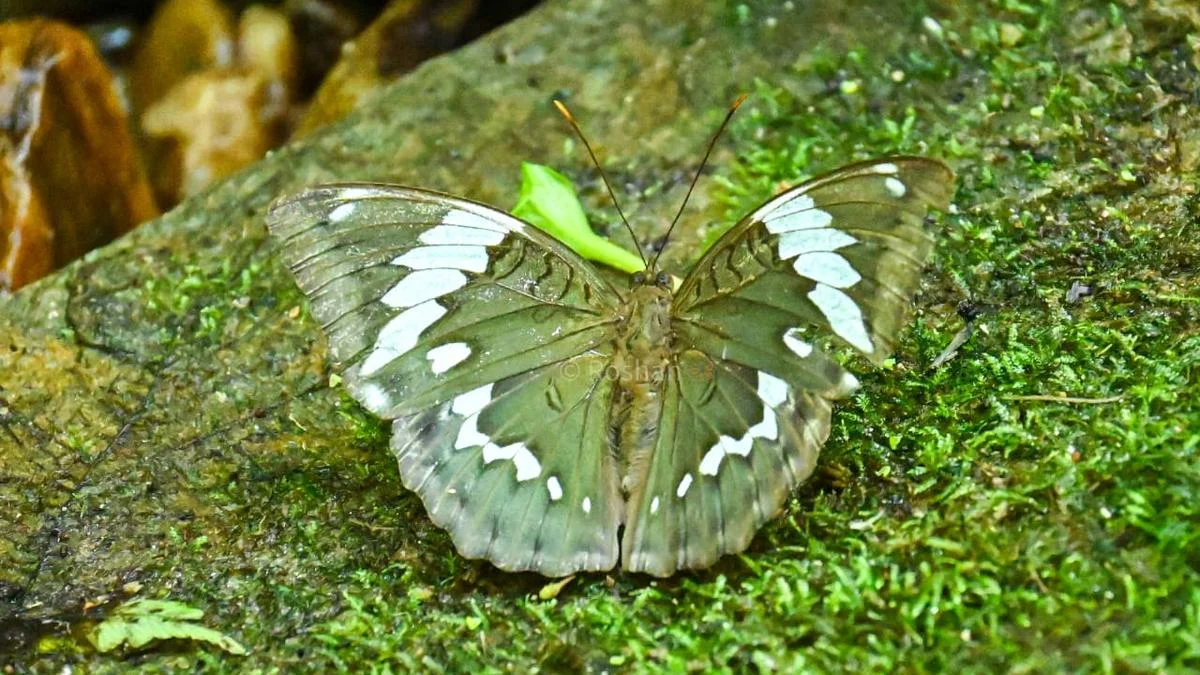
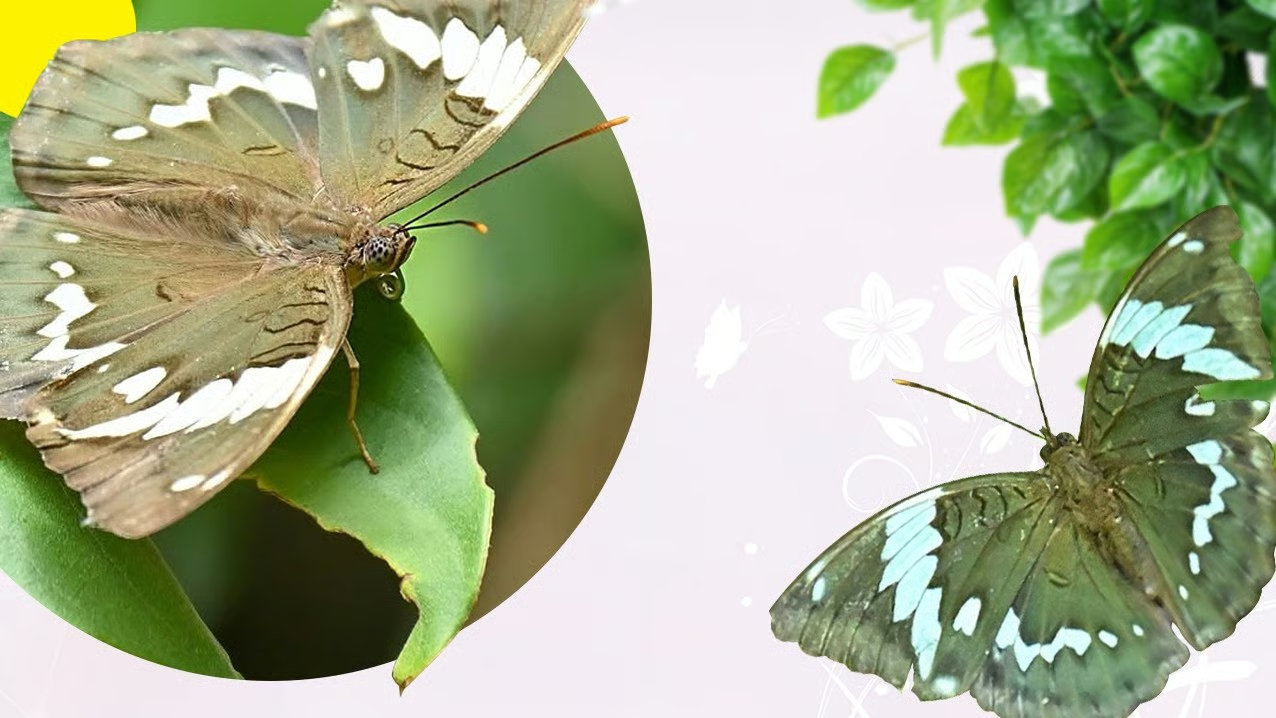
The newly identified butterfly belongs to the genus Euthalia, which is widely found across South and Southeast Asia. These butterflies are usually seen in forest areas and are known for their brown wings with light-colored spots. The species shows calm behaviour and usually flies short distances. It is often seen resting on low plants.

Habitat and Behaviour
Euthalia zubeengargi lives in semi-evergreen forests at heights between 600 and 750 metres. It prefers cool and shaded parts of the forest. The butterfly is most active from late morning to early afternoon. It feeds on tree sap and is also seen near streams, where it collects minerals from wet soil, a common habit among butterflies.
Regional Distribution and Diversity
The Euthalia Zubeengargi Discovery is part of a larger group with more than 80 species of the Euthalia genus found in northeastern India. Arunachal Pradesh is becoming an important region for biodiversity studies due to its varied climate and natural environment.
Ecological Role of Butterflies
Butterflies are important indicators of environmental health. Their presence and behaviour help scientists understand the condition of ecosystems. The Euthalia Zubeengargi Discovery shows how rich and sensitive these habitats are, making conservation efforts very important in such regions.
Key Highlights
- Euthalia zubeengargi is a newly discovered butterfly species in Arunachal Pradesh
- Found in semi-evergreen forests at 600–750 metres elevation
- Belongs to the widely distributed Euthalia genus
- Acts as a bio-indicator of ecosystem health