



Taftan Volcano Awakening 2025: Satellite Data Reveals Dormant Giant Stirring Beneath Iran

The scientific community is abuzz with concern following the discovery that the Taftan Volcano in southern Iran, long believed to be extinct, is showing signs of renewed geological activity. Recent satellite data has revealed that between July 2023 and May 2024, the ground near Taftan’s summit has risen by approximately 9 centimetres, suggesting an increase in subterranean gas and magma pressure. This subtle but significant uplift has prompted volcanologists to reclassify Taftan as dormant rather than extinct, underscoring the urgent need for enhanced monitoring of this often-overlooked volcano.
Thank you for reading this post, don't forget to subscribe!Geological Background of Taftan Volcano Awakening 2025
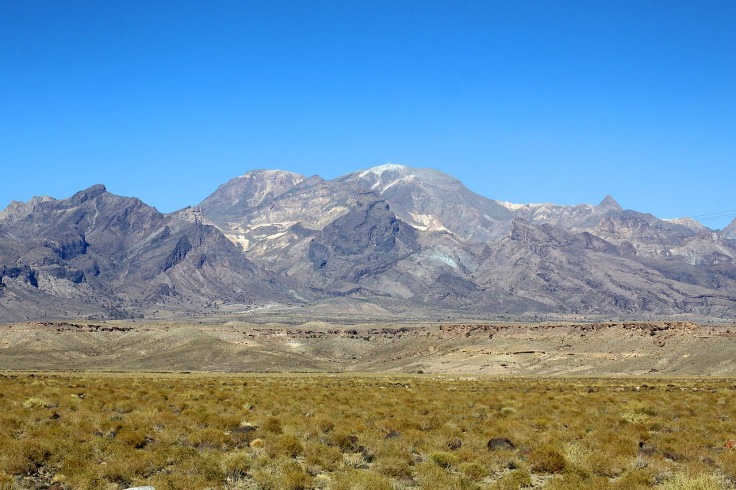
The Taftan Volcano Awakening 2025 has drawn renewed attention to one of Iran’s most fascinating geological features. Rising to an elevation of 3,940 metres, Taftan is a stratovolcano located in Sistan and Baluchestan Province, near the border with Pakistan. The volcano is part of a tectonic chain formed by the subduction of the Arabian oceanic crust beneath the Eurasian plate a collision that has shaped much of Iran’s rugged landscape.
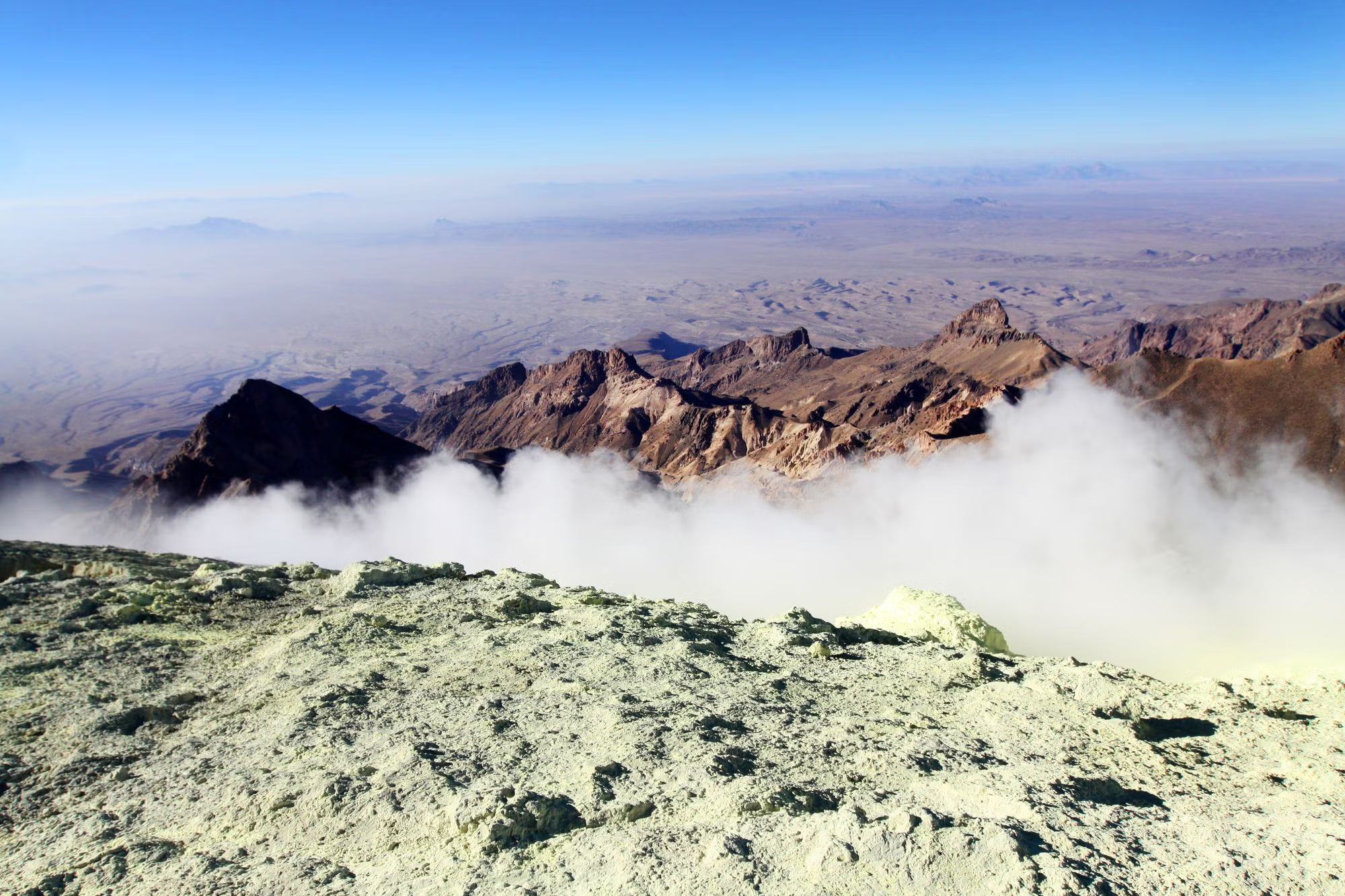
Although there are no recorded historical eruptions, Taftan hosts an active hydrothermal system. Fumaroles near its summit release sulfur gases, leaving yellowish mineral deposits that have long fascinated geologists and local communities alike. The sulfur emissions also serve as a reminder that the volcano’s internal systems are far from inert.
Recent Observations and Evidence of Taftan Volcano Awakening 2025
Until recently, Taftan appeared stable. Satellite imagery captured in 2020 showed no significant ground movement or thermal anomalies. However, in mid-2023, residents of nearby Khash city, located about 50 kilometres away, reported seeing gas plumes drifting from the mountain’s peak a rare occurrence for this volcano.
Further investigation using Sentinel-1 satellite radar interferometry revealed consistent ground uplift near the summit between July 2023 and May 2024. Scientists interpret this deformation as the result of magma or volcanic gas accumulating beneath the surface. The 9-centimetre rise, while seemingly minor, represents a substantial volume of subsurface activity.
The evidence indicates that gas buildup within Taftan’s magma chamber is altering the internal pressure dynamics. While there is currently no indication of an imminent eruption, such uplift is often a precursor to volcanic unrest.
Scientific Implications of Taftan Volcano Awakening 2025
The observed ground deformation has profound implications for how geologists classify volcanoes. The Taftan Volcano Awakening 2025 highlights that even volcanoes considered extinct may retain hidden activity deep below their surface.
A 9-centimetre rise in 10 months suggests persistent pressure increase in the magmatic system. This may be caused by magma intrusions, gas expansion, or hydrothermal fluid movement. If pressure continues to build, Taftan could experience low-level eruptions or increased fumarolic activity.
Researchers stress that such signs should not be dismissed. Many volcanic eruptions worldwide from Mount Pinatubo (1991) to Iceland’s Eyjafjallajökull (2010) were preceded by subtle ground deformation detectable only via satellite monitoring. Therefore, Taftan’s case serves as a crucial reminder of the need for continuous observation of even seemingly inactive volcanoes.
Challenges in Monitoring Taftan Volcano Awakening 2025
Despite growing scientific interest, monitoring the Taftan Volcano remains a major challenge. Unlike active volcanoes in Japan, Italy, or the United States, Taftan lacks a dedicated GPS-based monitoring network capable of measuring real-time ground movement, gas composition, or seismic tremors.
Its remote and arid location, combined with regional security issues, makes fieldwork extremely difficult. The Sistan and Baluchestan region often experiences border conflicts and insurgent activities, limiting the ability of researchers to deploy instruments or conduct long-term studies.
As a result, satellite remote sensing remains the only reliable means of tracking changes at Taftan. Programs like Sentinel-1 and NASA’s InSAR (Interferometric Synthetic Aperture Radar) technology have proven invaluable in detecting surface deformation. However, these systems still lack the temporal resolution needed for real-time volcanic hazard assessment.
Experts are now calling for international collaboration to establish permanent monitoring equipment near the volcano. Such systems could provide crucial early warnings if activity escalates.
Importance of Monitoring in the Context of Taftan Volcano Awakening 2025
The Taftan Volcano Awakening 2025 underscores a broader scientific and public safety lesson: volcanoes once believed to be extinct can reactivate after centuries of dormancy. This reactivation poses potential risks to nearby communities and infrastructure, even if eruptions are small.
Monitoring ground deformation, gas output, and temperature changes can help scientists predict possible eruptions weeks or months in advance. Establishing early warning systems not only saves lives but also mitigates economic disruptions related to air travel, agriculture, and local settlements.
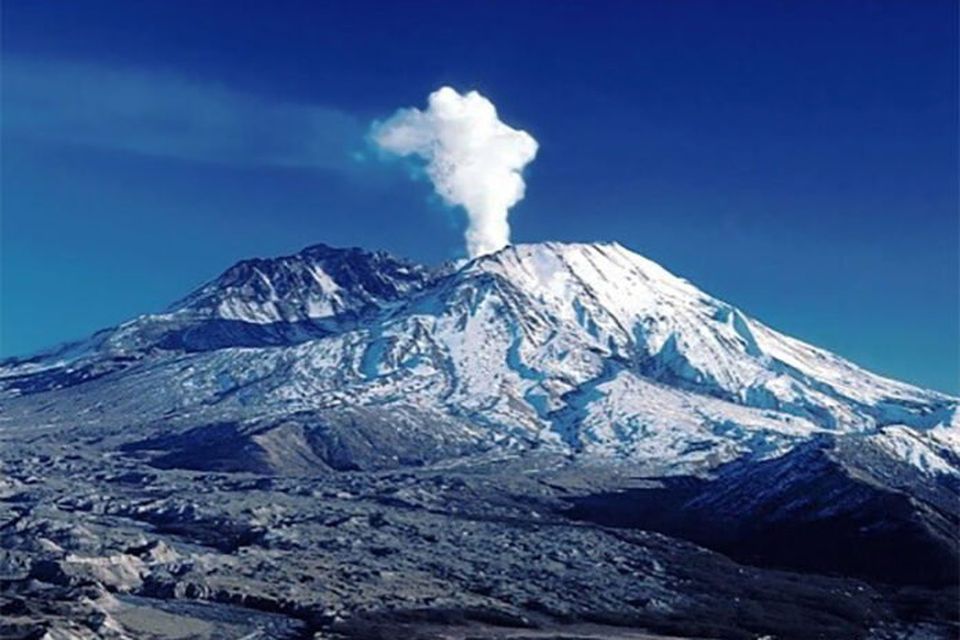
Volcanoes such as Taftan, located in politically sensitive or remote areas, are often overlooked in global hazard assessments. Yet, their awakening can have transboundary effects, especially considering the proximity of populated regions in southeastern Iran and western Pakistan.
Enhanced surveillance and international data sharing would allow scientists to identify long-term trends and better understand Iran’s broader volcanic belt, which includes other dormant peaks like Bazman and Kuh-e-Soltan.
A New Chapter for Volcanology in Iran
With the Taftan Volcano Awakening 2025, Iran enters a new chapter in its geological history. The discovery challenges old assumptions about the country’s volcanic stability and emphasizes the need for modern geophysical research.
Iranian authorities are now reportedly assessing options to install basic seismic sensors and collaborate with international volcanic observatories. Such efforts could provide valuable data for predicting not only eruptions but also geothermal energy potential, as the hydrothermal systems beneath Taftan might one day serve as renewable energy sources.
For now, scientists continue to monitor the subtle signals gas emissions, temperature fluctuations, and deformation patterns that hint at the volcano’s slow reawakening. Whether this leads to a minor gas release or something more dramatic remains uncertain. But one thing is clear: Taftan is alive again, and its awakening serves as both a warning and an opportunity for science.