Upgraded Forensic Lab Uttar Pradesh: A Major Boost to Scientific Policing in the State

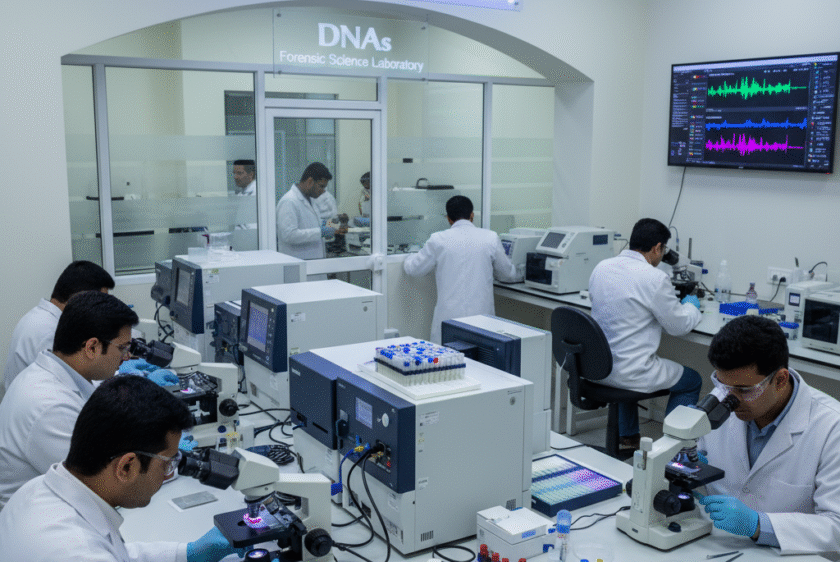
The establishment of the Upgraded Forensic Lab Uttar Pradesh marks an important milestone in the state’s ongoing efforts to modernize its criminal investigation system. With the inauguration of the upgraded Regional Forensic Science Laboratory in Gorakhpur, Uttar Pradesh has taken a significant step toward strengthening scientific support for law enforcement agencies. The new facility reflects a broader vision to enhance forensic capacity across all administrative divisions, ensuring that scientific evidence becomes a stronger pillar of justice delivery.
Thank you for reading this post, don't forget to subscribe!Uttar Pradesh has expanded its forensic infrastructure with the inauguration of the upgraded Regional Forensic Science Laboratory in Gorakhpur
The opening of the upgraded forensic laboratory in Gorakhpur signals the state government’s commitment to making forensic science more accessible, efficient and technologically advanced. By integrating next-generation tools and systems, the state aims to reduce reliance on overburdened central facilities and speed up evidence examination in criminal cases.
This expansion is not limited to infrastructure alone; it is part of a strategic plan to replicate similar state-of-the-art laboratories across every mandal. The intention is to ensure that scientific support for investigations reaches even the most remote regions of Uttar Pradesh. In a state with such a large population and complex law-and-order challenges, this decentralization of forensic capacity is expected to transform the way evidence is collected, processed and interpreted.
Modern Facilities Introduced in Gorakhpur – Upgraded Forensic Lab Uttar Pradesh
The newly upgraded laboratory has been equipped with several advanced technologies intended to enhance both accuracy and speed in forensic investigations. Among the most noteworthy additions are:
- Advanced DNA Analysis Units: These allow faster and more accurate profiling, crucial for identifying suspects, victims and establishing relationships in sensitive cases.
- AI-Enabled Tools: Artificial intelligence assists in pattern recognition, image enhancement, data comparison and predictive crime analysis.
- Drone Technology: Drones support crime-scene mapping, aerial documentation and rapid evidence assessment in inaccessible areas.
- Robotics Systems: Robotics help automate certain evidence-handling tasks, reducing human error and accelerating laboratory workflows.
Together, these technologies elevate the capabilities of the Gorakhpur lab to national standards. By ensuring uniformity in forensic procedures across all mandals, the state hopes to eliminate delays and strengthen the credibility of scientific evidence in court.

Strengthening Statewide Forensic Capacity – Upgraded Forensic Lab Uttar Pradesh
One of the most impactful initiatives under the new system is the allocation of mobile forensic vans to every district. Uttar Pradesh’s 75 districts have each received two mobile forensic lab vans, enabling investigators to collect and preserve evidence right from the crime scene with minimal delay. Immediate collection and processing significantly reduce the chances of contamination and ensure that the quality of evidence remains intact.
These mobile units are especially useful in rural and semi-urban regions where travel time to forensic labs is longer. By bringing technology to the field, the state ensures faster preliminary reports, which can guide investigators in the early stages of a case. The reforms prioritize timely justice, speeding up processes that previously took days or even weeks.
Focus on Crime Prevention and Justice Delivery
The upgraded facilities are expected to have a far-reaching impact on policing and overall public safety. With strengthened forensic capabilities, investigators can now handle a wide variety of cases more efficiently including homicides, sexual offences, cybercrimes and even terrorism-related incidents.
Advanced identification technologies such as DNA profiling, biometric comparison and digital forensic tools will help establish stronger evidence chains, contributing to higher conviction rates. Faster analysis and improved accuracy also serve as a deterrent, as criminals are more likely to be identified and prosecuted swiftly.
Moreover, the integration of robotics and AI streamlines complex tasks and reduces human error, ensuring that the forensic reports submitted in court are consistent and reliable. This scientific approach not only strengthens the criminal justice system but also builds public trust in law enforcement.
Training and Skill Development Initiatives
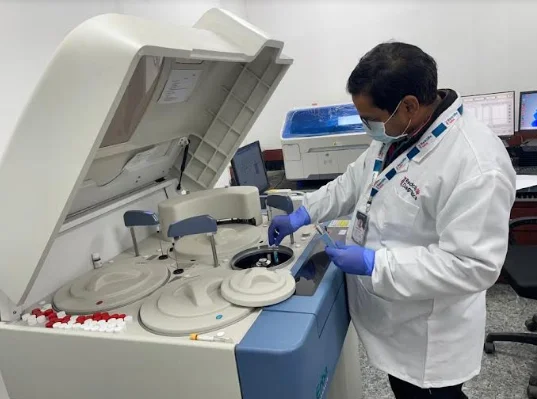
To complement the technical upgrades across the state, the State Forensic Institute in Lucknow plays a vital role in developing skilled human resources. The institute offers certificate, diploma and degree programmes designed to train professionals who can operate sophisticated forensic equipment and follow scientific examination protocols.
These academic programmes ensure that the expanding infrastructure is supported by adequately trained personnel, thus enhancing the overall efficiency of the forensic ecosystem in Uttar Pradesh. By combining modern laboratories with well-trained experts, the state aims to create a strong and sustainable foundation for scientific policing.
Conclusion
The introduction of the Upgraded Forensic Lab Uttar Pradesh in Gorakhpur marks a crucial advancement in the state’s commitment to scientific and efficient law enforcement. With new technologies, mobile forensic vans in every district and strong training initiatives, Uttar Pradesh is moving toward faster and more accurate investigations. As the state continues to expand forensic capabilities across all mandals, these improvements are expected to contribute significantly to crime prevention, quicker justice delivery and increased public confidence in the criminal justice system.