Nagaland Dzükou Valley Global Tourist Spot

Nagaland has taken a significant step toward international tourism recognition by proposing Dzükou Valley as its official entry under India’s national programme to develop 50 tourist destinations of global standards. The announcement was made by Temjen Imna Along, Nagaland’s Minister for Tourism and Higher Education, at the National Conference of State Tourism Ministers held in Udaipur. This national-level initiative aims to promote sustainable tourism, upgrade infrastructure, and boost local economies by highlighting destinations with unique ecological and cultural significance.
Thank you for reading this post, don't forget to subscribe!Nagaland Dzükou Valley Global Tourist Spot: Context of the National Tourism Initiative
The Ministry of Tourism has launched an ambitious challenge inviting Indian states and union territories to identify and develop 50 world-class tourist destinations. The vision is to transform select sites into globally competitive tourism hubs that reflect India’s diversity, natural beauty, and cultural richness.
The programme prioritizes key aspects such as:
- Sustainable and eco-friendly infrastructure development
- Enhanced connectivity and accessibility
- Preservation of cultural heritage and natural landscapes
- Integration of local communities into the tourism economy
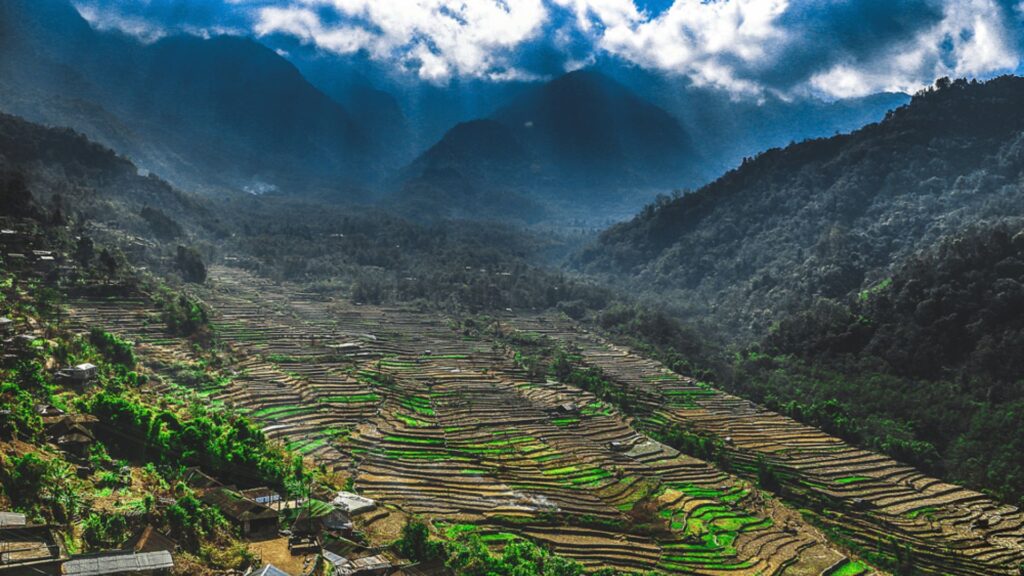
Nagaland’s nomination of Dzükou Valley under this initiative represents its growing commitment to responsible tourism and regional development. With proper investment and planning, the valley could soon find its place among India’s globally recognized travel destinations.
Nagaland Dzükou Valley Global Tourist Spot: Proposal Highlights
Nagaland’s proposal for Dzükou Valley centers around sustainable growth while maintaining ecological balance. The government has proposed an estimated investment of ₹250 crore, focusing on infrastructure improvement and eco-friendly development.
Key highlights include:
- Construction of a luxury eco-resort that blends with the valley’s natural landscape
- Creation of better trekking routes and camping facilities
- Development of visitor centers with modern amenities and safety features
- Enhanced waste management and renewable energy systems to ensure minimal environmental impact
The emphasis is on eco-tourism, which prioritizes environmental conservation and responsible travel. The project seeks to balance tourist influx with ecosystem preservation, making Dzükou Valley a model for sustainable tourism in Northeast India.
Ecological and Cultural Importance of Nagaland Dzükou Valley Global Tourist Spot
Dzükou Valley, often called the “Valley of Flowers of the East,” is a natural wonder located at the border of Nagaland and Manipur. Its serene green meadows, seasonal streams, and rare Dzükou lily attract nature enthusiasts, trekkers, and photographers from across the country.
Beyond its natural beauty, Dzükou holds deep cultural and spiritual significance for the local Angami and Mao Naga tribes. The valley is often associated with folklore and ancestral traditions that emphasize respect for nature.
The proposal underscores these cultural ties and advocates for a community-based tourism model, ensuring that local tribes participate directly in tourism management, hospitality, and cultural exhibitions. This approach aims to create an inclusive ecosystem that benefits both visitors and residents.
By promoting eco-cultural tourism, Nagaland hopes to protect the valley’s fragile biodiversity while celebrating its indigenous heritage.
Expected Impact of Nagaland Dzükou Valley Global Tourist Spot on Regional Tourism
Once developed, Dzükou Valley is expected to emerge as an international eco-tourism hotspot, attracting both domestic and global travelers. The project will contribute significantly to Nagaland’s economy by:
- Increasing annual tourist footfall
- Generating employment opportunities for youth in hospitality, guiding, and transportation
- Stimulating growth in local handicrafts and agricultural products
- Encouraging infrastructure upgrades such as roads, communication networks, and clean energy systems
Tourism experts believe that transforming Dzükou Valley into a global destination could place Nagaland firmly on the international travel map. It will also help reduce seasonal migration of workers by creating stable, long-term tourism-based employment within the region.
Government Role and Collaboration in Nagaland Dzükou Valley Global Tourist Spot Initiative
For the Dzükou Valley Global Tourist Spot project to succeed, a collaborative approach between the central and state governments is vital. The Ministry of Tourism has committed to providing both technical guidance and financial support to facilitate effective execution.
In addition, the project emphasizes stakeholder engagement involving local governing bodies, tribal councils, environmental experts, and entrepreneurs. This inclusive model ensures that development does not compromise the ecological integrity or cultural sanctity of the valley.

Temjen Imna Along highlighted that Nagaland’s tourism development strategy aligns with the Prime Minister’s vision of promoting lesser-known destinations to balance the country’s tourism landscape. Through this initiative, Nagaland aims to integrate local communities into the mainstream tourism economy while preserving their traditions and environment.
Future Prospects of Nagaland Dzükou Valley Global Tourist Spot
The development of Dzükou Valley as a global-standard destination could transform the socio-economic fabric of the region. By showcasing the valley’s biodiversity, culture, and adventure tourism potential, the project will inspire more eco-conscious travelers to explore Northeast India.
Additionally, the initiative may pave the way for cross-border tourism cooperation with neighboring states like Manipur and even international circuits with Southeast Asia, enhancing regional connectivity and cultural exchange.
With proper planning, regulatory oversight, and community participation, Nagaland Dzükou Valley Global Tourist Spot could emerge as a benchmark for how India balances progress with preservation offering the world a glimpse of the country’s untouched natural beauty and rich tribal heritage.