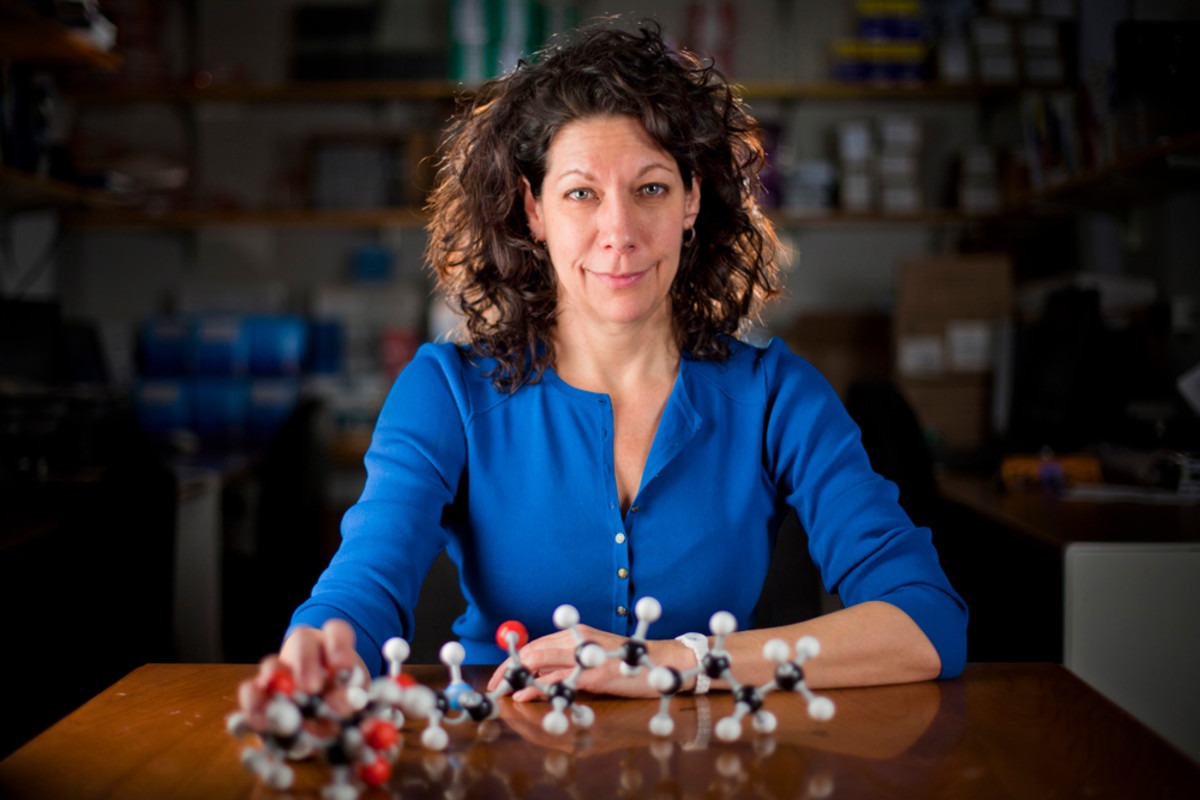
Bonnie Bassler Explains Bacterial Communication

Bonnie Bassler, a leading molecular biologist from Princeton University, has drawn global attention to the hidden world of bacterial communication. In a recent lecture titled “A Chemical Language that Enables Communication Between Diverse Organisms,” she described bacteria as “magical microbes” that are not only linked to disease but also essential for life on Earth.
Thank you for reading this post, don't forget to subscribe!Her talk highlighted how bacteria communicate, cooperate, and make group decisions using chemical signals. This discovery is changing the way scientists understand microbes, shifting the view from simple single-celled organisms to highly coordinated communities capable of complex behaviour.
Bonnie Bassler Says Bacteria Are More Than Disease-Causing Germs
For many people, bacteria are mainly associated with infections, food poisoning, or poor hygiene. However, Prof. Bassler emphasized that most bacteria are harmless or beneficial. They exist everywhere in soil, oceans, air, and inside the human body.
Bacteria play crucial roles in maintaining ecosystems, producing oxygen, recycling nutrients, and supporting agriculture. In humans, beneficial microbes help digest food, produce vitamins, and strengthen the immune system.
Modern research on the human microbiome has become a major topic in health science. Scientists now link gut bacteria to digestion, mental health, immunity, and even chronic diseases. This growing awareness makes bacterial research more relevant than ever.
The Discovery of Quorum Sensing
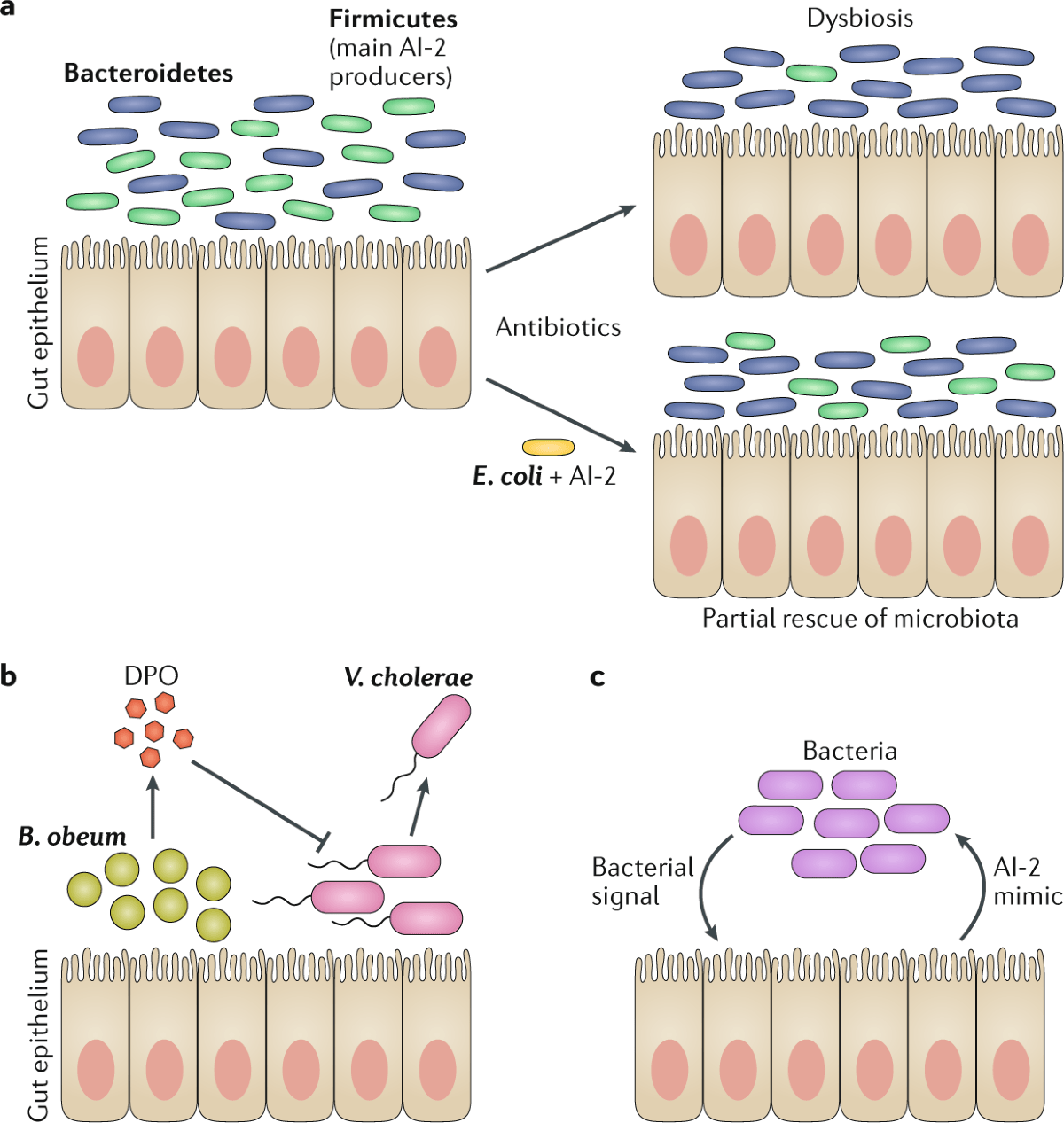
At the center of Prof. Bassler’s work is a process called quorum sensing. This is a chemical communication system that allows bacteria to sense how many other bacteria are nearby and coordinate their actions accordingly.
Each bacterium releases tiny signaling molecules into its environment. As the population grows, the concentration of these molecules increases. When the signal reaches a certain threshold, bacteria detect it and change their behavior as a group.
Instead of acting as isolated cells, they begin to function like a multicellular organism. They can switch genes on or off together, allowing them to perform tasks that would be impossible individually.
This discovery has reshaped microbiology by showing that microbes can “talk” to each other in a chemical language.
Coordinated Behaviour in Microbial Communities
Quorum sensing controls many important bacterial activities. One of the most well-known is biofilm formation. Biofilms are protective layers of bacteria that stick to surfaces such as medical devices, pipes, teeth, or rocks in rivers.
Inside a biofilm, bacteria are more resistant to environmental stress, disinfectants, and antibiotics. This is why infections linked to implanted medical devices can be difficult to treat.
Another coordinated behavior is the production of toxins by harmful bacteria. Some pathogens remain harmless when few in number but become dangerous when their population increases and they activate virulence genes together.
Bioluminescence, or the production of light, is another example. Certain marine bacteria emit light only when enough cells are present, creating visible glowing effects in oceans.
New Approaches to Medical Treatment
Prof. Bassler suggested that understanding bacterial communication could transform medicine. Traditional antibiotics kill bacteria or stop their growth. However, widespread antibiotic use has led to the global crisis of antibiotic resistance, where many bacteria no longer respond to common drugs.
Instead of killing bacteria, scientists are exploring anti-quorum sensing therapies. These treatments would block communication signals, preventing bacteria from coordinating harmful actions such as toxin production or biofilm formation.
By disarming pathogens rather than destroying them, this approach may reduce the pressure that drives resistance. It could lead to safer and more sustainable treatments for infections.
One example mentioned is Vibrio cholerae, the bacterium that causes cholera. Its ability to cause severe disease depends on quorum sensing mechanisms that regulate virulence factors.
Beneficial Partnerships in Nature
Not all bacteria are harmful. Many form mutually beneficial relationships with other organisms. Prof. Bassler highlighted the case of Vibrio fischeri, a marine microbe that lives inside certain squid species.
These bacteria produce blue light, helping the squid camouflage itself from predators by matching the light from the ocean surface. Interestingly, the bacteria emit light only when their population inside the squid reaches a certain level, controlled by quorum sensing.
This example shows how microbial communication supports survival strategies in nature and demonstrates the cooperative side of bacterial life.
Bonnie Bassler on Importance for Environmental Sustainability
Bacterial communication also plays a major role in environmental processes. Microbes help break down organic matter, recycle nutrients, and clean pollutants. Scientists are exploring ways to harness these abilities for sustainable solutions.
For example, bacteria can be used in wastewater treatment, oil spill cleanup, and soil restoration. Understanding how they coordinate activities could improve the efficiency of these processes.
In agriculture, beneficial bacteria support plant growth by fixing nitrogen, protecting roots from disease, and improving soil fertility. As climate change affects food production, microbial solutions are becoming increasingly important.
Bonnie Bassler Connection to Human Health and Lifestyle
Research on gut bacteria has become a popular topic in public health discussions. Diet, lifestyle, antibiotics, and stress can all influence the balance of microbes in the digestive system.
A healthy microbiome supports digestion, nutrient absorption, and immune defense. Imbalances have been linked to conditions such as obesity, diabetes, allergies, and inflammatory diseases.
Probiotics, fermented foods, and fiber-rich diets are often recommended to maintain beneficial bacteria. Scientists believe that understanding microbial communication could lead to personalized treatments for various health issues.
Bonnie Bassler Expanding Frontiers in Biotechnology
The study of bacterial communication is opening new possibilities in biotechnology. Engineered microbes could be designed to produce medicines, detect environmental hazards, or deliver targeted therapies inside the body.
Synthetic biology is exploring ways to program bacteria to perform useful tasks, such as producing biofuels or biodegradable materials. Quorum sensing mechanisms can be incorporated into these designs to control when and how microbes act.
These advances highlight how tiny organisms can have a huge impact on technology and society.
Prof. Bonnie Bassler’s work reveals a hidden world where bacteria are not silent invaders but active communicators shaping life on Earth. By decoding their chemical language, scientists are gaining tools to improve medicine, protect the environment, and enhance human health. Her research continues to inspire new approaches to some of the most pressing challenges of our time, showing that even the smallest forms of life can hold extraordinary power.