G7 Rare Earth Talks Highlight Supply Chain Risks

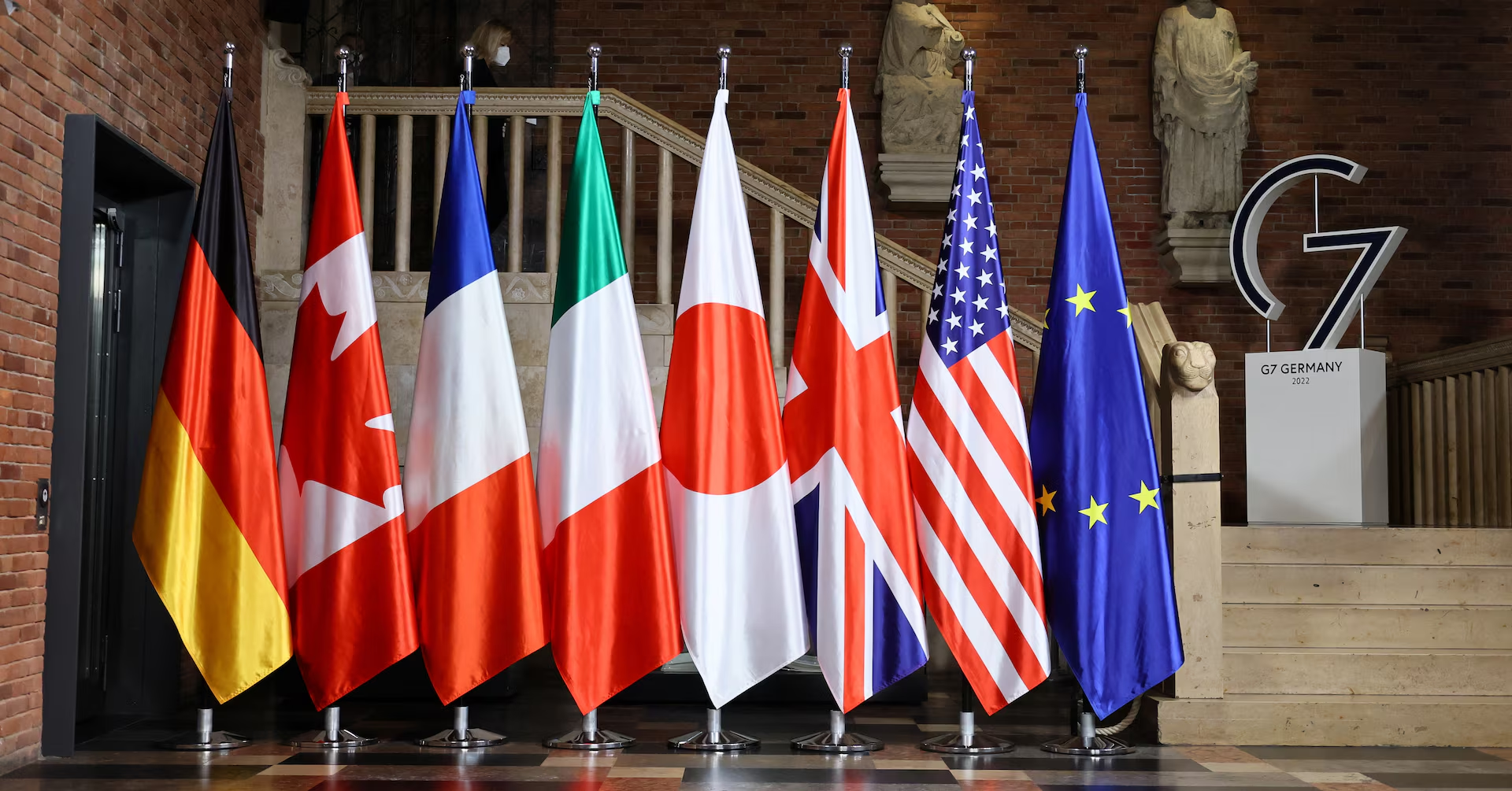
G7 Rare Earth Talks are drawing worldwide attention as the United States hosts a high-level meeting of finance and policy leaders to discuss rare earth elements and other critical raw materials. The discussions are taking place in Washington at a time when tensions are rising in global trade, especially in Asia, and when many advanced economies are rethinking their dependence on China-led supply chains. Rare earths are essential for modern industries, and control over them has become a major strategic issue.
Thank you for reading this post, don't forget to subscribe!The talks show how supply chains are no longer only economic matters. They are now closely linked to national security, clean energy goals and technological independence. As countries face uncertain global conditions, ensuring steady access to critical materials has become a shared priority.
G7 Rare Earth Talks Bring Key Global Players Together
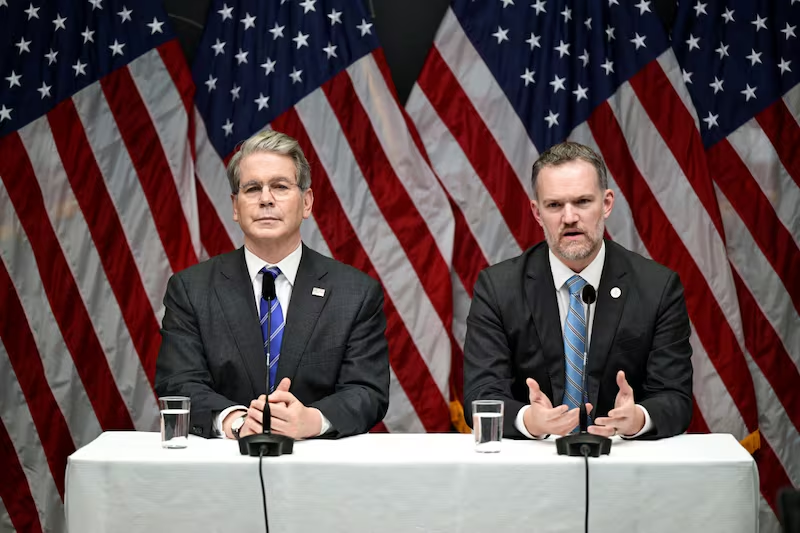
The meeting is being hosted in Washington by US Treasury Secretary Scott Bessent. Alongside ministers from the Group of Seven nations, leaders and officials from Australia, South Korea, India, Mexico and the European Union are also expected to take part. This wider participation reflects how rare earth supply issues affect both developed and emerging economies.
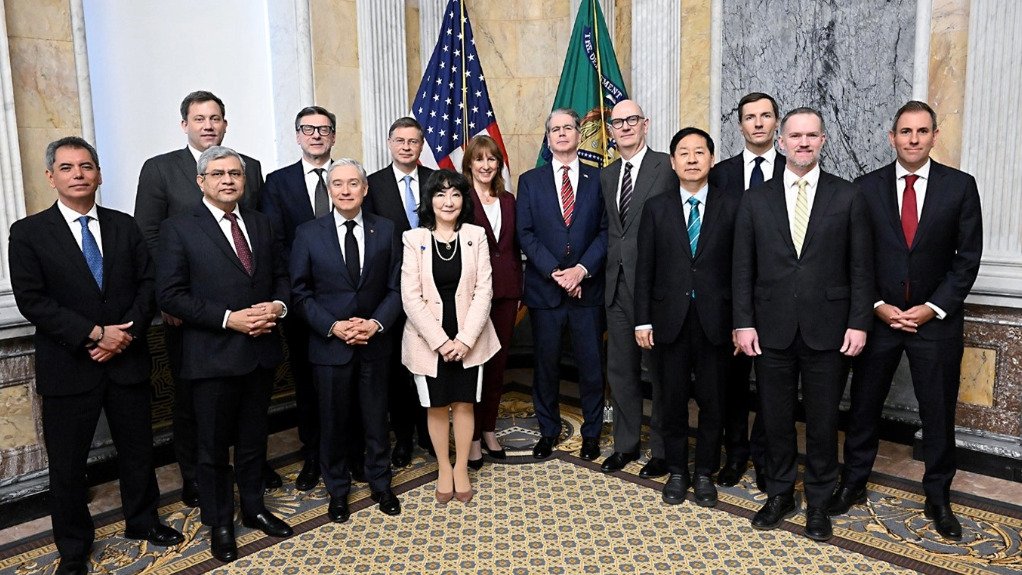
Discussions are expected to focus on mining, processing and trade routes for rare earths and other important minerals. Countries are exploring ways to make supply chains stronger and less vulnerable to sudden disruptions caused by political disagreements or trade restrictions.
G7 Rare Earth Talks Linked to China–Japan Trade Tensions
One of the key reasons behind the urgency of the talks is the recent tension between China and Japan. Japan has raised concerns over new export controls imposed by China on rare earth products. Reports suggest that these restrictions now include materials meant for civilian use, with shipments delayed or approvals denied.
The issue follows diplomatic strain after comments by Japanese Prime Minister Sanae Takaichi regarding Taiwan. Japan has accused China of using rare earth exports as a political tool, a claim that Beijing has denied. Still, the situation has raised alarms among other countries that depend heavily on Chinese supplies.
G7 Rare Earth Talks Reflect China’s Dominant Position
China currently holds a dominant position in the global rare earth industry. It leads not only in mining but also in processing and the production of rare earth magnets. These magnets are crucial components in defence equipment, electric vehicles, wind turbines, smartphones and advanced electronics.
In the past, China has used export controls in response to trade disputes, including during tariff tensions with the United States. Although a trade understanding reached between former US President Donald Trump and Chinese President Xi Jinping included commitments to ease restrictions, concerns remain about long-term dependence on a single supplier.
G7 Rare Earth Talks and the US Push for Independence
The United States has made it clear that reducing reliance on Chinese rare earths is a long-term goal. Officials believe that domestic innovation, combined with partnerships with trusted countries, can help build alternative supply chains. Investments in local mining, recycling technologies and processing facilities are seen as key steps.
Rare earth magnets used in defence systems and clean energy technologies are a particular focus. Ensuring secure access to these materials is viewed as essential for both military readiness and climate goals.
G7 Rare Earth Talks and Europe’s Strategic Outlook
European countries are also paying close attention. Germany, in particular, has expressed willingness to work closely with partners to strengthen supply chains. European industries rely heavily on rare earths for manufacturing electric vehicles, renewable energy equipment and industrial machinery.
By supporting joint action, Europe aims to reduce risks linked to supply disruptions while supporting sustainable and responsible sourcing of minerals. Environmental standards and transparent trade practices are expected to be part of future cooperation plans.
G7 Rare Earth Talks Highlight Broader Global Shifts
The Washington meeting reflects a wider global shift. Countries are increasingly treating critical minerals as strategic assets rather than ordinary commodities. This shift has been driven by global events, including trade disputes, geopolitical conflicts and the rapid growth of clean energy technologies.
Nations are now exploring ways to diversify suppliers, invest in processing outside China and build stockpiles to manage emergencies. Partnerships among like-minded countries are seen as a way to balance economic efficiency with security.
G7 Rare Earth Talks and the Role of Emerging Economies
The participation of countries like India and Mexico highlights the growing role of emerging economies in global supply chains. India, in particular, has significant untapped mineral resources and is positioning itself as a future player in rare earth mining and processing.
For these countries, involvement in such discussions offers opportunities for investment, technology transfer and stronger integration into global manufacturing networks.
G7 Rare Earth Talks in a Fragmented Trade World
The talks also take place against the backdrop of a more fragmented global trade environment. With rising protectionism and shifting alliances, countries are reassessing long-standing trade relationships. Critical minerals are now seen as central to economic stability and political influence.
By coordinating policies and sharing information, G7 members and partners hope to reduce uncertainty and avoid sudden shocks that could affect industries and consumers alike.
G7 Rare Earth Talks and the Road Ahead
As discussions continue, the focus remains on cooperation rather than confrontation. While China’s role in the rare earth market remains significant, many countries believe that diversification and innovation can gradually reduce risks. The Washington meeting is a step toward building a more balanced and resilient global system for critical materials.
The outcome of these talks is expected to shape future policies, investments and partnerships, influencing how the world manages the resources that power modern life.