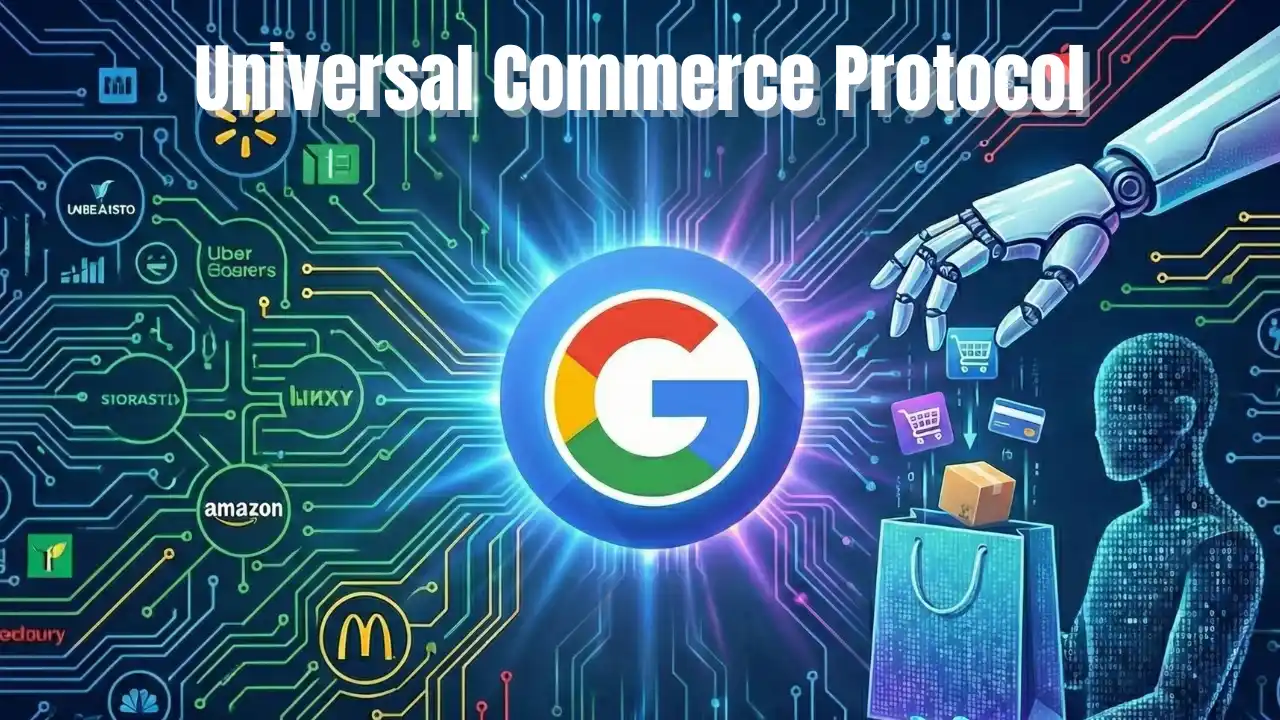
Google UCP AI Commerce Redefines Online Buying and Selling

Google UCP AI Commerce has entered the spotlight after Google officially introduced the Universal Commerce Protocol (UCP), a new open standard designed to reshape how buying and selling work in the age of artificial intelligence. As more people rely on AI tools to search, compare and decide what to buy, Google’s latest move aims to help retailers connect with customers in a faster, more relevant and more intelligent way.
Thank you for reading this post, don't forget to subscribe!The announcement reflects a growing trend where digital shopping is no longer limited to websites or apps. Instead, AI systems are becoming active participants in the shopping journey, guiding users from discovery to purchase and even after-sales support.
Google UCP AI Commerce Explained in Simple Terms
At its core, UCP is a shared framework that allows retailers, AI tools and payment systems to communicate smoothly with each other. Instead of building separate connections for every platform, businesses can use UCP as a common language for digital commerce.
With this system, retailers can create offers directly inside their Google campaign settings. Google’s AI then decides when, where and how to show those offers based on what shoppers are searching for and their overall intent. This makes promotions more useful for customers and more effective for businesses.
The protocol is designed to support the full shopping journey product discovery, checkout and even post-purchase support within one connected structure.
Google UCP AI Commerce and Agentic AI Power

One of the key elements behind UCP is agentic AI, a form of artificial intelligence that can act on behalf of users. These AI agents don’t just respond to commands; they can make decisions, compare options and take actions based on context.
In practical terms, this means AI can understand what a shopper wants, evaluate available offers and present the best options automatically. For retailers, it means their products can reach customers at the exact moment they are most likely to buy.
Google’s approach shows how AI is shifting from being a search assistant to becoming an active partner in everyday online activities.
Google UCP AI Commerce Introduces AI Checkout
As part of the new protocol, Google is rolling out an AI-powered checkout feature. This allows shoppers to complete purchases directly while researching products in AI Mode on Google Search or inside the Gemini app.
Instead of clicking through multiple pages, users can buy products from selected retailers without leaving the Google environment. This reduces friction in the shopping process and saves time, especially for users who already trust Google’s ecosystem.
For retailers, this feature offers a chance to convert interest into sales more quickly, particularly during high-intent moments when customers are ready to make a decision.
Google UCP AI Commerce and “Direct Offers” Pilot
Another important part of the rollout is the introduction of “Direct Offers” under Google Ads. This pilot program focuses on shoppers who rely heavily on AI to discover products and compare prices.
Initially, Direct Offers highlight discounts, helping value-conscious shoppers spot better deals. Google has confirmed plans to expand this feature to include bundles, free shipping and other benefits that matter to customers.
By targeting offers through AI-driven insights, retailers can avoid broad promotions and focus on users who are most likely to respond.
Google UCP AI Commerce and Unified Commerce Systems
According to Google executives, UCP creates a shared system where AI agents, business platforms and payment providers can work together without friction. Traditionally, companies needed custom integrations for each service, which increased cost and complexity.
With UCP, interoperability becomes easier. The protocol works alongside existing systems such as Agent2Agent, Agent Payments Protocol and Model Context Protocol, strengthening the overall AI commerce ecosystem.
This unified approach reduces technical barriers and allows businesses of all sizes to take part in AI-led commerce.
Google UCP AI Commerce and Industry Collaboration
Google has not built UCP alone. The protocol has been developed in collaboration with major retailers such as Shopify, Target and Walmart. It has also received support from global payment and commerce partners including American Express, Flipkart and Mastercard.
This broad collaboration signals strong industry interest in open standards for AI commerce. By avoiding closed systems, UCP aims to give businesses more flexibility and reduce dependence on any single platform.
Such partnerships also help ensure that the protocol works across different markets and retail models.
Google UCP AI Commerce and Business Agent on Search
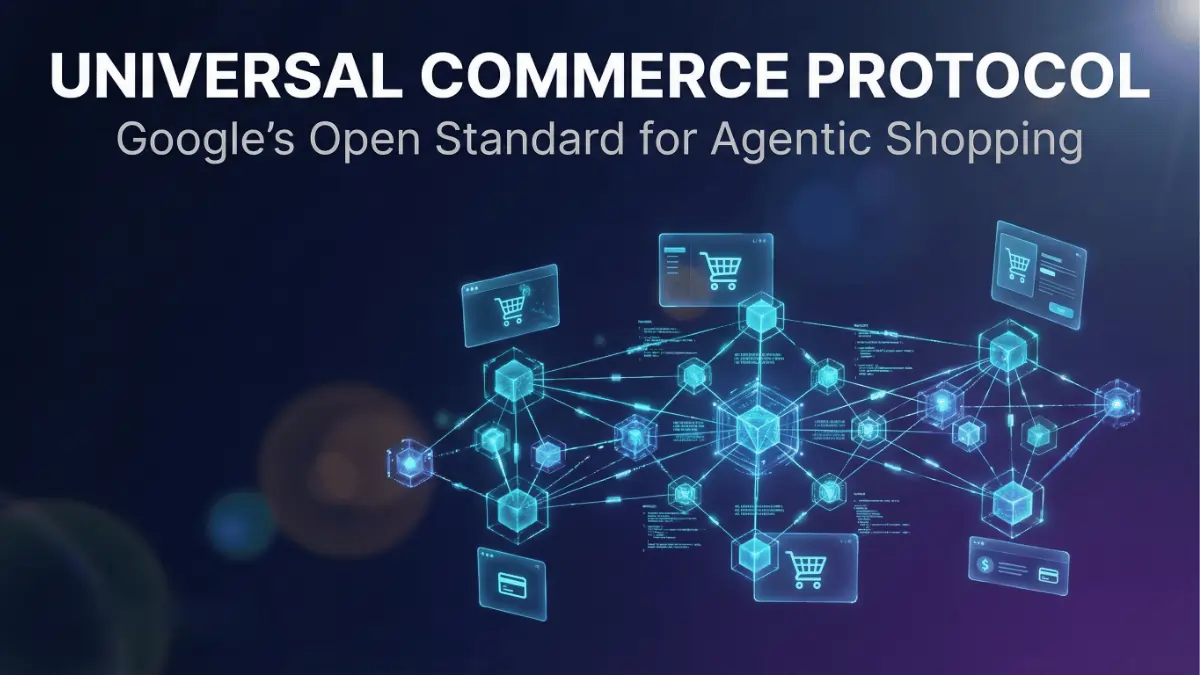
Alongside UCP, Google is introducing a new feature called Business Agent on Search. This tool allows shoppers to chat directly with brands while browsing products on Google.
Designed to feel like a virtual sales assistant, the Business Agent can answer questions, explain features and provide recommendations using the brand’s own tone and style. This helps businesses connect with customers during key decision moments.
For shoppers, it creates a more interactive and helpful experience, similar to talking with a knowledgeable store assistant but powered entirely by AI.
Google UCP AI Commerce Reflects a Bigger Digital Shift
The launch of UCP highlights how digital commerce is evolving. Shopping is no longer just about listings and prices; it’s about intelligent systems that understand user needs and respond instantly.
As AI tools become more common, platforms that support open standards and smooth integration are likely to shape the future of online buying and selling. Google’s move positions it at the center of this transformation, influencing how businesses and consumers interact in the digital marketplace.