


Tripura Organic Rice

Tripura Organic Rice has entered the European market with the support of the Agricultural and Processed Food Products Export Development Authority (APEDA). On 2 September 2026, APEDA facilitated the export of NPOP-certified ethnic organic rice from Tripura to Austria and the Netherlands. The consignment was flagged off in Agartala and marked the state’s first organic agricultural shipment to the European market.
The development is important for Tripura’s farmers and organic agriculture sector because it creates a new international market for the state’s traditional rice varieties. The shipment also highlights the growing demand for certified organic and indigenous food products in international markets.

Tripura Organic Rice Gets European Market Access
The export of Tripura Organic Rice is part of efforts to connect local farmers and producer organisations with overseas buyers. The rice was sourced from Farmer Producer Companies supported by the Tripura State Organic Farming Development Agency.
The export demonstrates how certification, organised farming groups and international market connections can help agricultural products move from local farms to global markets. For small farmers, access to international buyers can provide opportunities to expand sales beyond domestic markets.
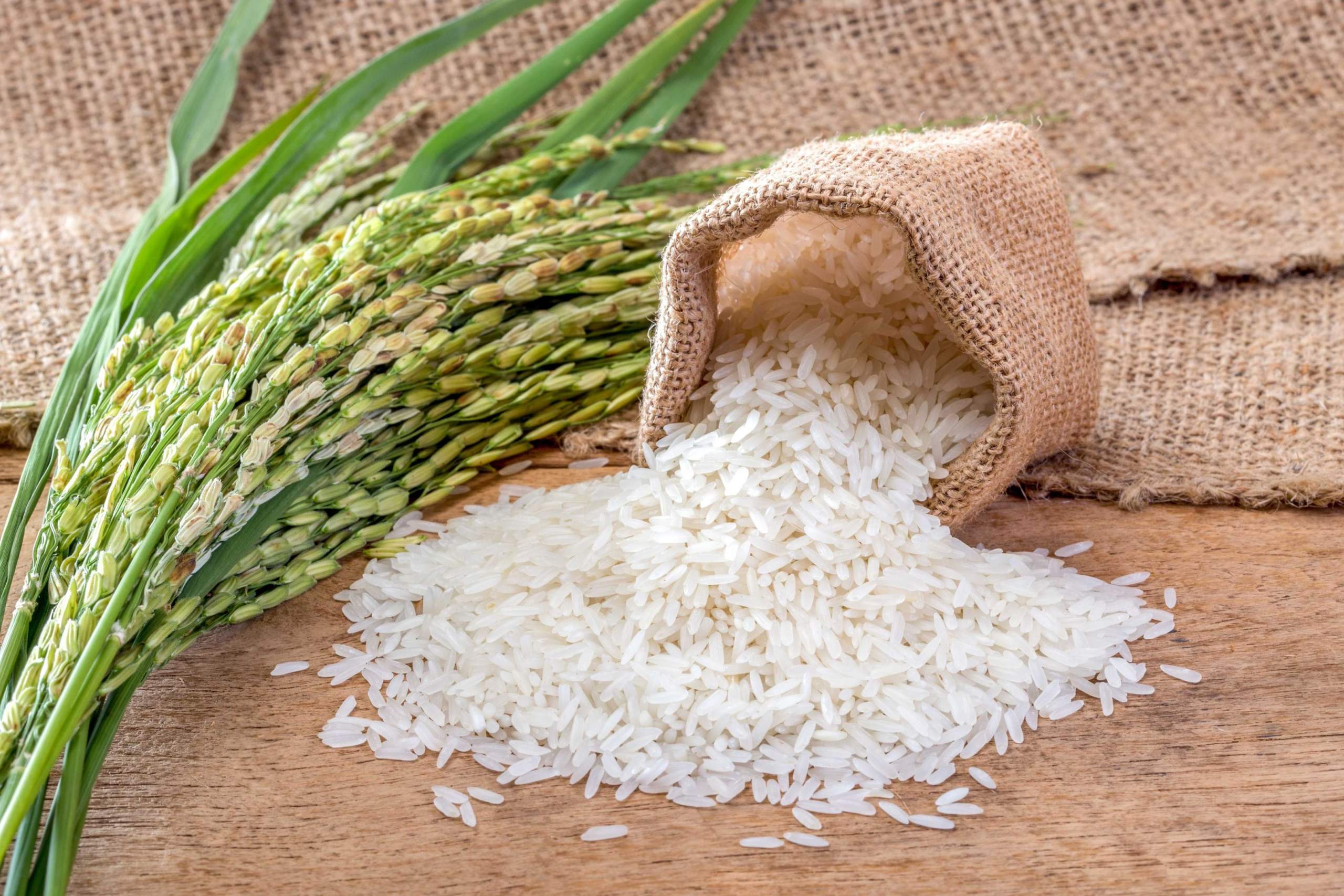
The shipment included four indigenous rice varieties that are traditionally grown in Tripura. These varieties are different in colour, texture and taste and represent the agricultural diversity of the northeastern state.
Four Indigenous Rice Varieties Exported
The European shipment included four traditional rice varieties from Tripura. The largest quantity consisted of Harinarayan rice, with 10 metric tonnes included in the consignment.
The shipment also contained Maimi Hanga black rice, with 6 metric tonnes exported. Black rice has attracted attention in domestic and international markets because of its distinctive colour and nutritional profile.
Another variety was Biron white sticky rice, with 1.5 metric tonnes included. The consignment also carried 1.2 metric tonnes of Kalikhasa rice.
Together, these varieties represent the traditional rice diversity of Tripura and provide international consumers with an opportunity to access lesser-known Indian agricultural products.
NPOP Certification Supports the Export
The rice exported to Europe was certified under the National Programme for Organic Production (NPOP). NPOP is India’s system for the certification and regulation of organic production.
Organic certification is important for international trade because buyers need assurance that agricultural products meet recognised production standards. Certification can also help producers access specialised markets where consumers are willing to pay for verified organic products.
APEDA plays an important role in promoting exports of agricultural and processed food products from India. Its work includes supporting exporters, developing market linkages and helping Indian agricultural products reach international markets.
Role of APEDA in Tripura’s Organic Export
The Agricultural and Processed Food Products Export Development Authority helped facilitate the latest shipment. APEDA works under the Ministry of Commerce and Industry and supports India’s agricultural export sector.
The Tripura shipment followed market connections developed through a Reverse Buyer-Seller Meet organised by APEDA in the state in August 2026.
A Reverse Buyer-Seller Meet brings international buyers and Indian producers or exporters together. Such meetings can help farmers and agricultural organisations understand overseas demand, product requirements, packaging standards and certification needs.
The Tripura event helped create a direct connection between local organic rice producers and international markets. The latest shipment shows how such trade meetings can lead to actual export opportunities.
Farmer Producer Companies Connect Farmers to Markets
The rice was sourced from Farmer Producer Companies supported by the Tripura State Organic Farming Development Agency.
Farmer Producer Companies are producer-owned organisations that allow farmers to work together for activities such as collecting produce, processing, packaging and marketing. By bringing production together, these organisations can make it easier to meet the volume and quality requirements of large buyers.
For agricultural exports, organised farmer groups can also help improve supply chains and reduce some of the difficulties faced by individual small farmers when trying to reach distant markets.
The Tripura model combines local farming knowledge with organised production and export support, helping traditional rice varieties find new customers outside India.
Austria and the Netherlands Receive Tripura Rice
The first organic agricultural shipment from Tripura was sent to Austria and the Netherlands. Both countries are part of the European market, where certified organic food products have a growing presence.
Entering European markets requires agricultural products to meet quality, food safety and certification requirements. The NPOP certification of the rice therefore provides an important foundation for international sales.
The export could also create greater visibility for Tripura’s indigenous rice varieties. If demand grows, more farmers and producer organisations may have opportunities to participate in the organic export supply chain.
Export Shipment Flagged Off in Agartala
The shipment was officially flagged off at Pragna Bhaban in Agartala on 2 September 2026.
Different reports gave slightly different figures for the total quantity of rice in the shipment. The quantities reported for the four varieties add up to 18.7 metric tonnes, while some references described the shipment as about 18 metric tonnes.
The difference may be linked to the way the consignment was rounded in different reports, but the shipment clearly represents Tripura’s first organic agricultural export to the European market.
Tripura’s Organic Agriculture Gets a New Opportunity
The export of Tripura Organic Rice is significant for the state’s agricultural economy because it connects traditional farming with international demand.
Northeastern India has a wide range of indigenous crops and traditional food products. However, many of these products have historically had limited access to large national and international markets. Better certification, packaging, processing and export connections can help these products reach more consumers.
Organic farming can also support agricultural practices that reduce the use of synthetic chemicals. At the same time, international markets require consistent quality and reliable supply, making farmer training and organised production important parts of future export growth.
Growing Demand for Indian Organic Products
India’s agricultural export sector is increasingly looking at specialised products rather than only large-volume commodities. Organic rice, traditional grains, spices, fruits and processed foods can provide opportunities to reach niche markets.
The Tripura shipment fits into this wider trend. Instead of exporting an ordinary rice product, the shipment highlights indigenous varieties with a clear regional identity.
Such products can benefit from growing global interest in traditional foods, organic agriculture and traceable food supply chains. International consumers are increasingly interested in knowing where food comes from and how it is produced.
New Export Possibilities for Tripura Farmers
The first shipment to Europe could encourage further efforts to develop Tripura’s organic agricultural export network. Better market connections may help producer companies identify new buyers and understand the requirements of different countries.
The involvement of APEDA, the state organic farming agency, producer companies and exporters shows the importance of cooperation across the agricultural supply chain.
The shipment was executed by Pratithi Organic Foods Pvt Ltd, based in Sonepat, Haryana. Its involvement provided the export link needed to move Tripura’s organic rice from local producers to European buyers.
The development gives Tripura’s traditional rice varieties a new international platform while strengthening the state’s connection with India’s growing agricultural export network.