North Indian Ocean Cyclone Risk Is Changing Faster Than India’s Coastlines

North Indian Ocean Cyclone Risk is no longer defined by how many cyclones form each year, but by how their nature, location, strength and timing are changing. Over the last century, cyclonic disturbances over the Arabian Sea, the Bay of Bengal and nearby land areas have followed a complex and uneven path. While the total number of storms has declined from mid-20th century highs, the danger they pose has grown in new ways. These changes matter deeply for India’s coastal safety, disaster preparedness and long-term climate planning.
Thank you for reading this post, don't forget to subscribe!North Indian Ocean Cyclone Risk Over a Century of Change
Historical data from 1900 to 2025 shows that cyclonic activity over the North Indian Ocean follows a curved pattern rather than a straight rise or fall. In the early 20th century, fewer than 10 cyclonic disturbances formed each year on average. Activity rose sharply during the 1930s and stayed high until the 1970s, when the region experienced its most cyclone-active phase with more than 15 disturbances annually.
After this peak period, the trend reversed. From the late 1970s onward, cyclone numbers declined steadily. By the early 2000s, the average dropped to around eight disturbances per year, the lowest in over a hundred years. Although the past decade shows a slight rebound, today’s activity remains well below mid-century levels. This long-term decline, however, hides deeper shifts within the region.
North Indian Ocean Cyclone Risk and the Bay of Bengal Slowdown
The Bay of Bengal has historically been the main source of cyclones in the region. Its high activity levels shaped disaster planning and coastal policy for decades. However, the recent decline in total cyclone numbers is driven mainly by a sharp reduction in disturbances forming in the Bay of Bengal.
As fewer systems develop here, the overall North Indian Ocean average has dropped. This slowdown might appear reassuring at first glance, but it creates a false sense of security. The decline in the Bay of Bengal is only one side of the story, and it is being offset by rising risks elsewhere.
North Indian Ocean Cyclone Risk Rising in the Arabian Sea
In contrast to the Bay of Bengal, the Arabian Sea is showing a clear increase in cyclonic disturbances. While its absolute numbers are still lower, the upward trend is unmistakable. This shift is significant because cyclones forming over the Arabian Sea behave differently from those in the Bay.
Arabian Sea storms often intensify more rapidly and move along less predictable paths. As more disturbances now originate here, India’s western coastline faces risks that were once considered rare. Coastal states that previously experienced fewer severe cyclones must now prepare for stronger and more frequent impacts.
North Indian Ocean Cyclone Risk and Increasing Storm Intensity
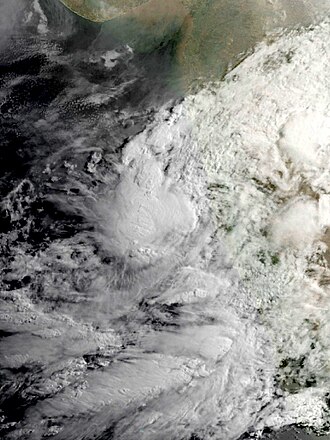
The most critical change in North Indian Ocean Cyclone Risk lies in storm intensity rather than frequency. A cyclonic disturbance may weaken quickly, or it may intensify into a severe or very severe cyclone. Since the 1970s, a higher proportion of disturbances have strengthened into powerful storms.
This trend is especially noticeable in the Arabian Sea, where disturbances have always had a higher chance of intensifying. As the number of Arabian Sea disturbances increases, so does the likelihood of stronger cyclones affecting nearby coastlines. Even the Bay of Bengal, despite fewer disturbances overall, is seeing a greater share of intense storms.
North Indian Ocean Cyclone Risk Linked to Warming Seas
Ocean warming plays a major role in these changes. Warmer sea surface temperatures provide more energy to developing storms, allowing them to strengthen faster and reach higher intensity levels. Observations show that the Arabian Sea is warming faster than the global average.
This warming does not just increase storm strength; it also makes cyclones harder to predict. Rapid intensification and sudden changes in direction reduce the time available for warnings and evacuations. For disaster managers, this means decisions must be made faster and with greater uncertainty.
North Indian Ocean Cyclone Risk and Shifting Seasonal Patterns
Another important shift relates to timing. In the past, most cyclones in the Bay of Bengal formed during the July–September monsoon months. Since the 1980s, this pattern has changed.
An increasing number of cyclonic disturbances now occur between October and December. This post-monsoon concentration creates new challenges. It overlaps with agricultural harvest periods, busy fishing seasons and increased coastal economic activity. Preparedness systems that were designed around monsoon-season cyclones must now stay active later in the year.
North Indian Ocean Cyclone Risk for India’s Coastal Planning
When declining frequency, regional redistribution, rising intensity and changing seasonality are considered together, the overall risk picture becomes more serious. India is not facing more cyclones than in the past, but it is facing storms that are stronger, less predictable and increasingly affecting areas once seen as safer.
This shift has implications for forecasting agencies like the India Meteorological Department, which must adapt models to new climate conditions. It also highlights the need for climate-resilient infrastructure, improved coastal zoning and early-warning systems that account for late-season, high-intensity storms.
North Indian Ocean Cyclone Risk and the Climate Signal
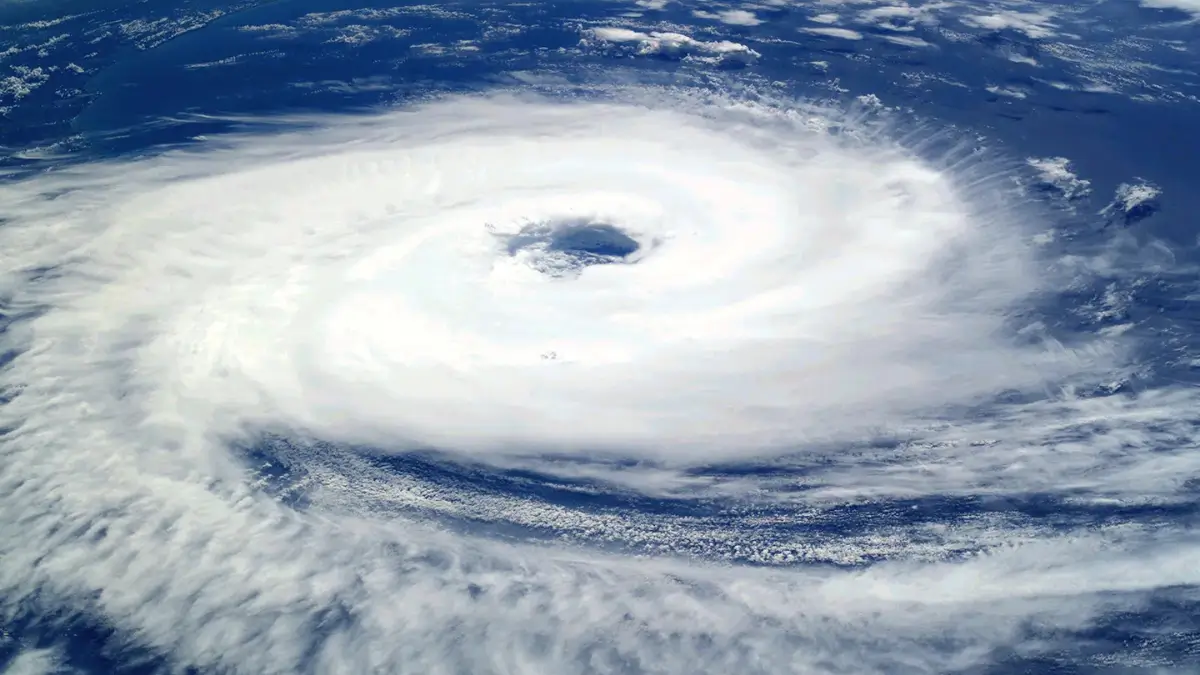
The changing cyclone patterns over the North Indian Ocean reflect a broader climate signal. Global warming does not simply increase the number of extreme events; it changes their behaviour, location and timing. Uneven ocean warming is reshaping risks across regions.
Understanding North Indian Ocean Cyclone Risk is essential for long-term planning, from ports and power plants to fisheries and coastal livelihoods. In the years ahead, India’s challenge will not be counting cyclones, but adapting to stronger storms arriving at unexpected times and along new stretches of coastline.