Indian Navy-Indonesia Maritime Ties Strengthened by Successful Belawan Port Call

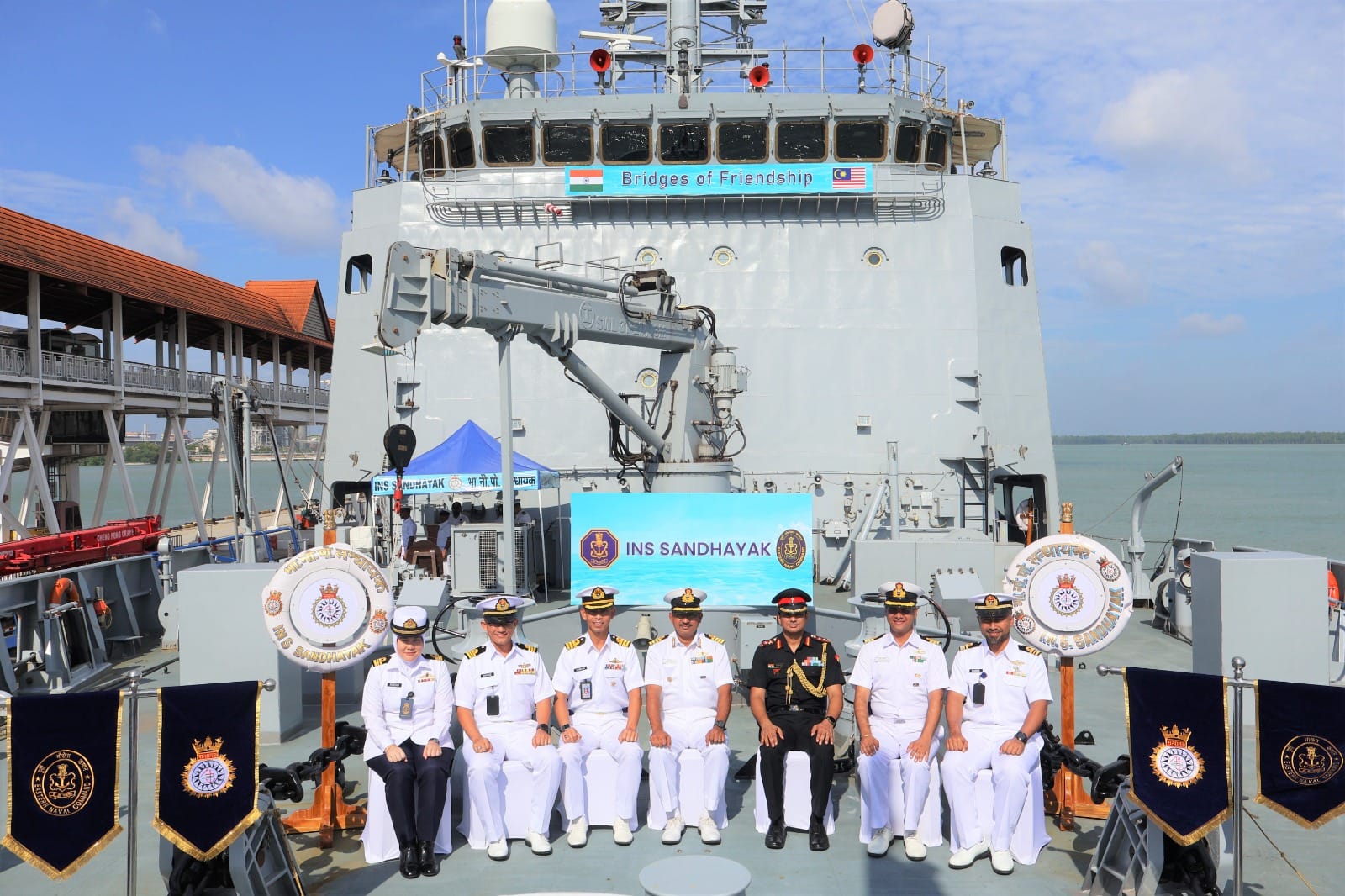
Indian Navy-Indonesia Maritime Ties took another meaningful step forward as the Indian Navy’s First Training Squadron (1TS) completed a productive port call at Belawan, Indonesia. The visit showcased the deepening naval cooperation between the two nations and reflected their shared commitment to maritime security in the Indian Ocean and Southeast Asian region. Coming at a time when regional partnerships are becoming increasingly important, the engagement highlighted India’s Act East Policy and the broader MAHASAGAR vision, which focuses on mutual growth, maritime safety, and regional stability.
Thank you for reading this post, don't forget to subscribe!Growing Partnership in the Maritime Domain
India and Indonesia share a long history of friendly relations and strong cultural links. In recent years, their cooperation has expanded into strategic and defense areas, with maritime security emerging as a central pillar. Both countries are major maritime nations with extensive coastlines and vital sea lanes passing through their waters.
The port call at Belawan reflected the practical side of this partnership. It demonstrated how regular naval interactions help both sides build trust, improve communication, and better understand each other’s operating procedures. Such engagements also support broader regional efforts to ensure that the seas remain safe, open, and governed by international law.
First Training Squadron at Belawan
The Indian Navy’s First Training Squadron, consisting of INS Tir, INS Shardul, INS Sujata, and Indian Coast Guard Ship Sarathi, arrived at Belawan as part of its overseas training deployment. The squadron departed on January 23 after a three-day visit that included a wide range of professional, cultural, and social activities.
For the Indian Navy, the First Training Squadron plays a key role in shaping young officers. Overseas visits allow trainees to gain exposure to international naval practices while representing India abroad. For Indonesia, the presence of the squadron provided an opportunity to engage with future Indian naval leaders and strengthen professional bonds at an early stage.
High-Level Naval Engagements
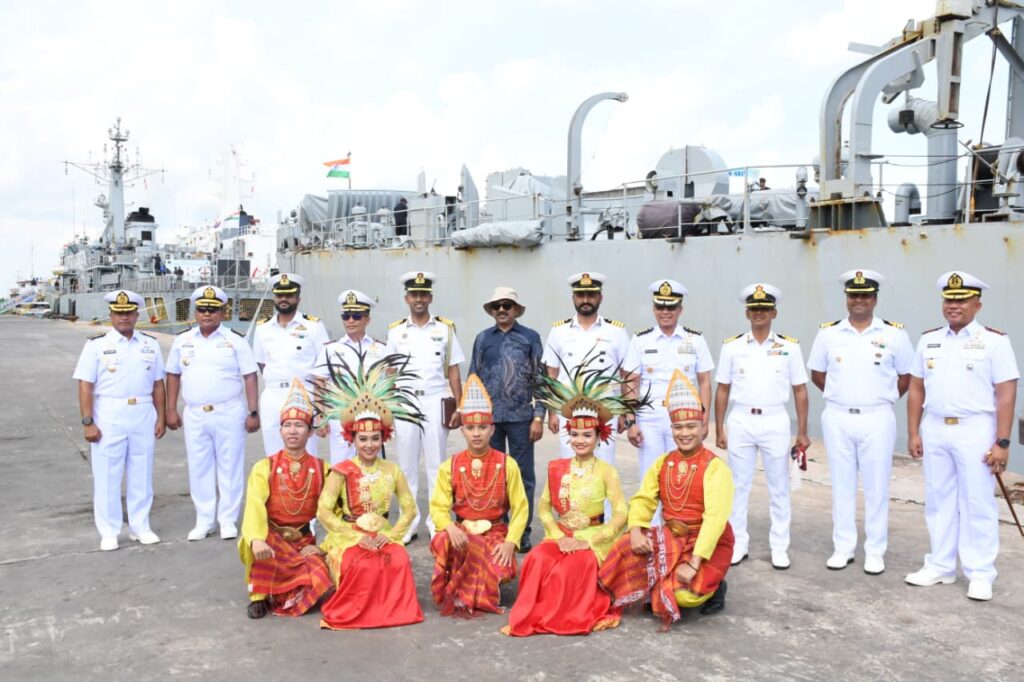
Senior officers from both navies used the visit to discuss matters of common interest. Captain Tijo K Joseph, Senior Officer of the First Training Squadron, along with commanding officers of the participating ships, met Rear Admiral Deny Septiana, Commander of Indonesia’s Naval Area Command I (Koarmada I).
The discussions focused on regional maritime security, challenges such as piracy and illegal activities at sea, and ways to enhance cooperation between the two navies. These conversations underlined the shared understanding that many maritime threats are transnational in nature and require coordinated responses.
Training and Professional Exchanges
A key feature of the visit was professional interaction between personnel from both sides. Indian trainees visited facilities of Indonesia’s Naval Regional Command I, gaining insights into Indonesian naval operations and infrastructure. Such visits help young officers appreciate different approaches to maritime management and build respect for each other’s capabilities.
These exchanges also lay the groundwork for future joint exercises and coordinated patrols. As both navies operate in overlapping areas of interest, familiarity with procedures and communication styles becomes essential for effective cooperation.
Cultural and People-to-People Connections
Beyond formal meetings and training activities, the visit placed strong emphasis on cultural exchange and public engagement. An onboard reception co-hosted by the Indian Navy and the Consulate General of India in Medan brought together senior Indonesian naval officials and other distinguished guests.
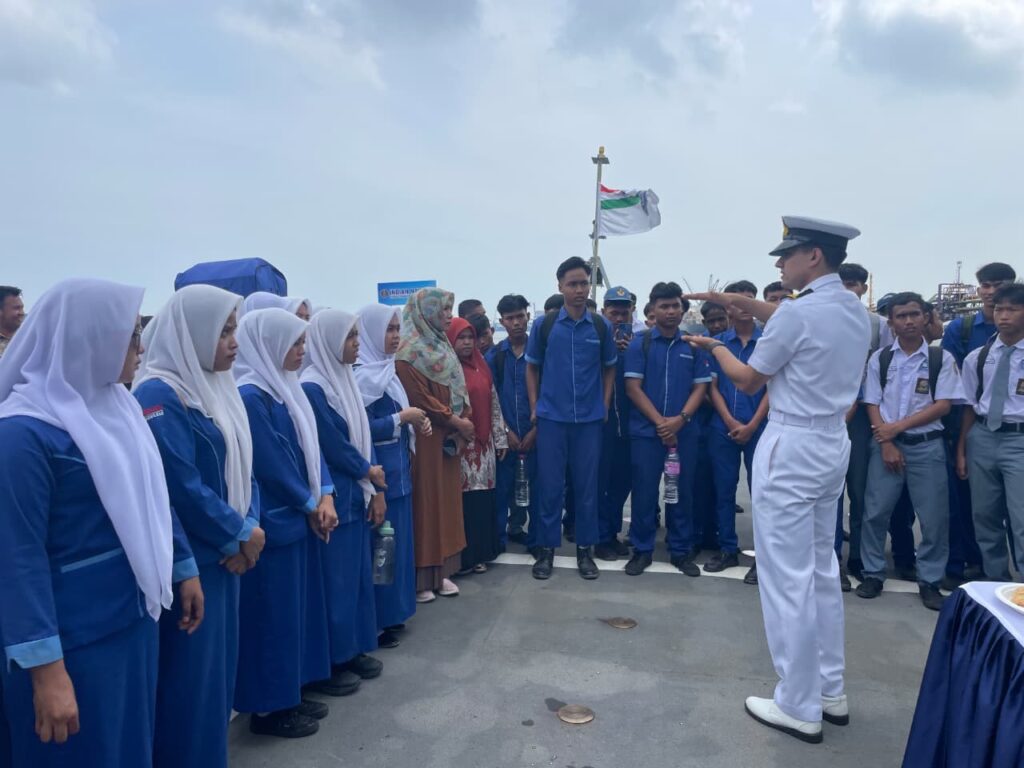
Joint sports events, yoga sessions, and cultural programs created a relaxed atmosphere where sailors could interact as friends rather than just professionals. The ships were also opened to local schoolchildren and visitors, allowing the public to learn more about the Indian Navy and its role. Such outreach helps build goodwill and strengthens people-to-people ties, which are a vital foundation for long-term partnerships.
Role of Regional Frameworks
India and Indonesia both participate in regional forums that promote maritime cooperation, including the Indian Ocean Naval Symposium (IONS). These platforms encourage dialogue, information sharing, and collaborative activities among navies of the Indian Ocean region.
The Belawan visit complemented these multilateral efforts by adding a strong bilateral dimension. It showed how regional goals can be supported through practical, on-the-ground engagement between partner navies.
Strategic Importance of Indonesia
Indonesia occupies a central position in the Indo-Pacific, with control over several key sea passages connecting the Indian and Pacific Oceans. Its role is therefore crucial for regional trade and energy flows.
For India, building a close maritime partnership with Indonesia helps strengthen the overall security architecture of the Indo-Pacific. The port call demonstrated India’s recognition of Indonesia as a key partner in promoting stability and cooperation across a vast maritime space.
Supporting Act East and MAHASAGAR Vision
The visit aligned closely with India’s Act East Policy, which emphasizes deeper engagement with Southeast Asia across political, economic, and security domains. It also supported the MAHASAGAR vision, which highlights mutual and holistic advancement for security and growth across regions.
By engaging with Indonesia through training deployments and port calls, India is translating these policy goals into concrete action. Such efforts show that maritime diplomacy is not limited to high-level agreements but also includes regular interaction between sailors and officers.
Looking Ahead for Indian Navy-Indonesia Maritime Ties
The successful port call at Belawan has added another positive chapter to India-Indonesia naval relations. It has strengthened professional links, enhanced mutual understanding, and reinforced a shared commitment to a secure and cooperative maritime environment.
As both countries continue to expand their naval capabilities and regional roles, similar engagements are likely to grow in frequency and scope. These interactions will play an important role in shaping a stable Indo-Pacific where cooperation, dialogue, and mutual respect remain at the forefront.