


Mystery of Taj Mahal – Explained

Mystery of Taj Mahal: The enchanting allure of the Taj Mahal has captured hearts and imaginations for centuries. Built by Mughal Emperor Shah Jahan in memory of his beloved wife Mumtaz Mahal, the iconic white marble structure stands as an architectural marvel and a symbol of eternal love. However, beneath its pristine facade lies a tapestry of mystery, conspiracy theories, and unanswered questions that add layers to it
Thank you for reading this post, don't forget to subscribe!Unraveling the Traditional Tale
A Monument of Love
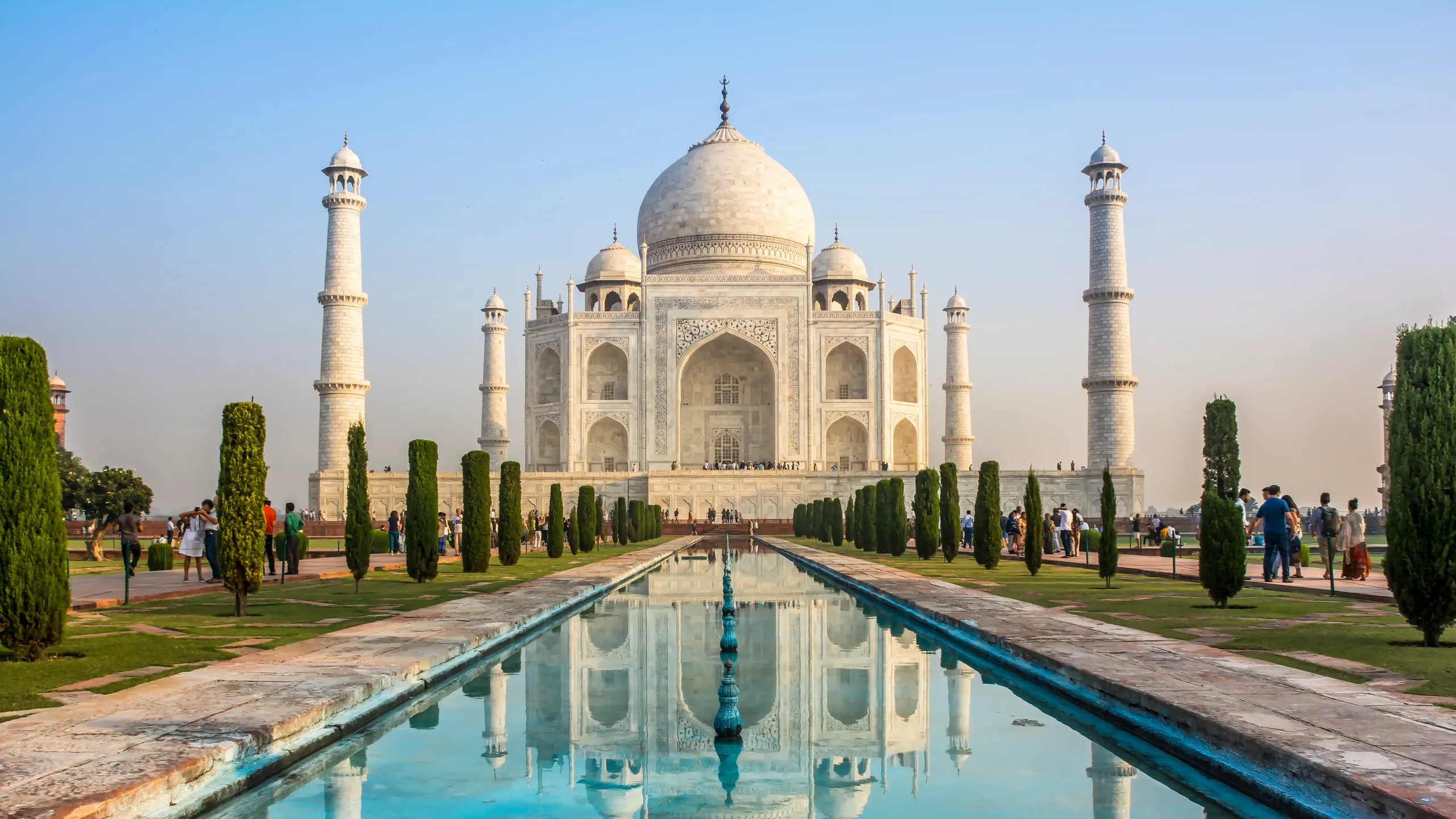
The Taj Mahal, often called the “Crown of Palaces,” is one of the most beautiful buildings in the world and a great example of Mughal architecture. It was started in 1632 and completed in 1653. This grand white marble monument was built by the Mughal emperor Shah Jahan in memory of his beloved wife Mumtaz Mahal, who died while giving birth to their child. The Taj Mahal is not just a building; it is a symbol of deep love, pain, and devotion. Even today, people from all over the world visit the Taj Mahal to feel the emotion and love behind its creation. It stands as a timeless reminder that true love can live on through history and stone.
Architectural Brilliance
The Taj Mahal is famous for its perfect symmetry, beautiful design, and fine artistic details. The shining white marble, colorful stone designs, and the large central dome create a peaceful and magical beauty. Every part of the monument is carefully planned and placed, making it look balanced from every angle. Skilled craftsmen and artists from different parts of the Mughal Empire worked together to build it. The architecture of the Taj Mahal is a blend of Persian, Indian, Islamic, and Ottoman styles, which makes it unique and special. This wonderful mix of art and design shows the great talent and creativity of the people who built it, making the Taj Mahal a true wonder of the world.
Peeling Back the Layers: Conspiracy Theories
The Black Taj Mahal
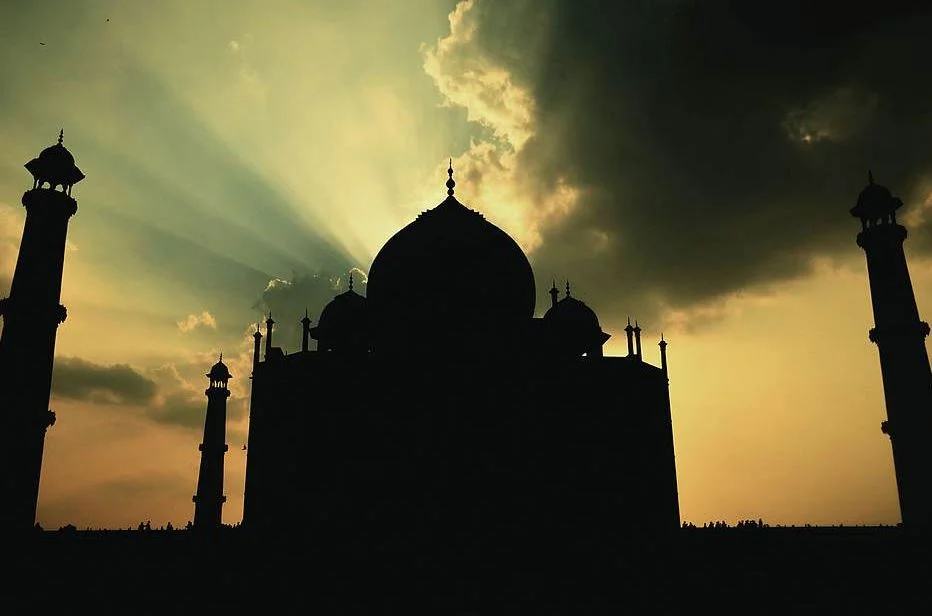
One popular theory says that Shah Jahan planned to build a “Black Taj Mahal” on the opposite bank of the Yamuna River. People believe it was meant to stand directly facing the white Taj Mahal, creating a perfect mirror image. Some historians think this was part of a grand design to show balance, love, and symmetry. Others believe this idea hides a deeper meaning, possibly connected to royal power, mystery, or unfinished dreams. However, no strong proof has been found, which makes this story even more interesting and mysterious for people today.
Hindu Origins
Another theory says that the Taj Mahal existed even before Shah Jahan’s time and that it may have Hindu origins. Some people believe it was once a Hindu temple or palace that was later changed into a monument. They point to certain designs, symbols, and building styles as possible signs of ancient Hindu culture. Although most historians do not agree with this idea, the theory continues to create debate and curiosity. It raises questions about the true history of the Taj Mahal and makes people wonder whether this famous monument may have older and deeper roots than we commonly believe.
Hidden Chambers and Secret Passageways
The Enigma Within
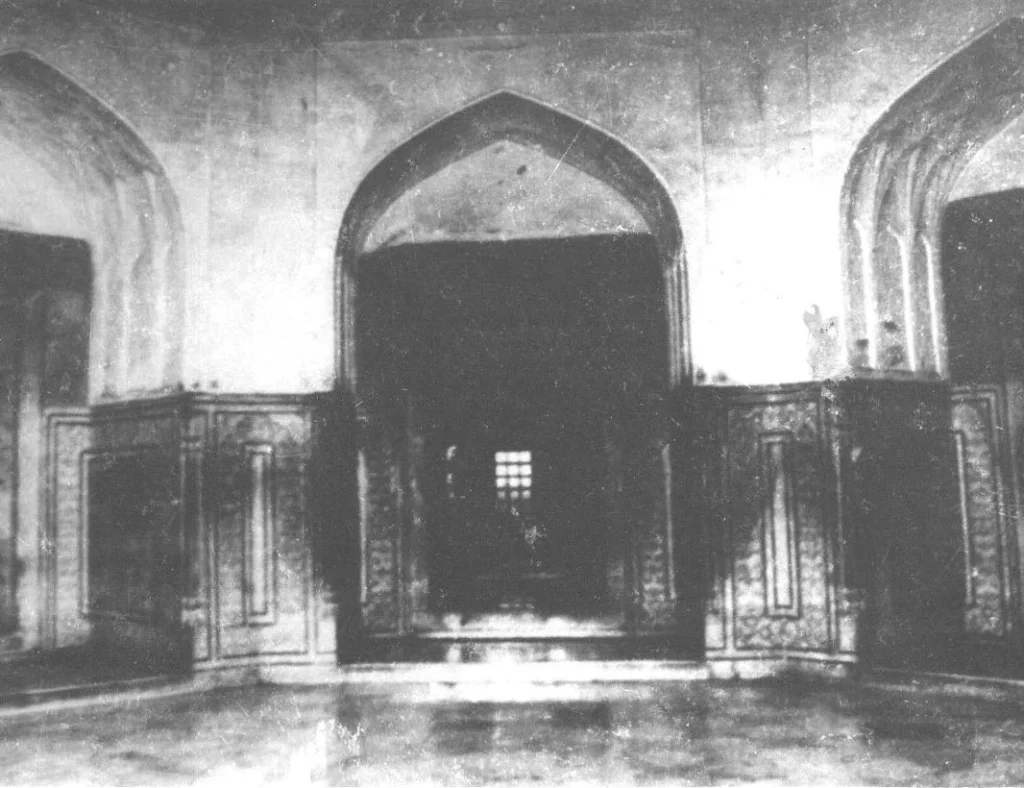
Conspiracy theorists propose the presence of hidden chambers beneath the Taj Mahal, sparking intrigue about their purpose. Speculations range from secret passageways to underground chambers holding treasures or alternative historical artifacts.
Frequently Asked Questions (FAQs)
Is the Taj Mahal sinking?
The Taj Mahal has experienced some foundation issues, leading to a slight tilt. Preservation efforts are ongoing to address this concern.
Were precious gemstones removed?
Contrary to claims, historical records refute the removal of precious stones from the Taj Mahal.
Is the Taj Mahal a Vedic Temple?
Archaeological evidence overwhelmingly supports its Mughal architectural origin, debunking the theory of its Hindu roots.
Decoding the Taj Mahal’s Mystique
As the sun sets, casting a golden hue upon the ivory monument, the Taj Mahal remains an unparalleled marvel. While conspiracy theories add layers to its story, the historical and architectural evidence overwhelmingly supports its traditional narrative.
In unraveling the mystery of the Taj Mahal, one discovers not only a symbol of eternal love but also a testament to the enduring allure of historical enigmas. The whispers of hidden chambers and alternative narratives, although intriguing, fade against the backdrop of the monument’s timeless beauty.