



World Heritage Day: Protecting Our Past for the Future

World Heritage Day, also known as the International Day for Monuments and Sites, is observed every year on April 18. This special day reminds people all over the world about the importance of protecting our cultural, historical, and natural heritage. It was established in 1982 by the International Council on Monuments and Sites (ICOMOS) and later adopted by UNESCO in 1983.
Thank you for reading this post, don't forget to subscribe!The main aim of this day is to create awareness about the need to preserve important monuments, historical buildings, ancient sites, and natural landscapes that represent human history and civilization. These places tell the story of who we are, where we come from, and how human life has developed over thousands of years.
World Heritage Day is not just about old buildings or famous monuments. It is about identity, culture, tradition, nature, and history. It teaches us to respect our past and protect it for the future generations.
What is World Heritage?
The word “heritage” means something valuable that we receive from our ancestors and pass on to future generations. Heritage can be:
- Cultural heritage – temples, monuments, forts, churches, mosques, palaces, ancient cities, historical buildings, and traditions
- Natural heritage – forests, rivers, mountains, deserts, oceans, wildlife areas, coral reefs, and national parks
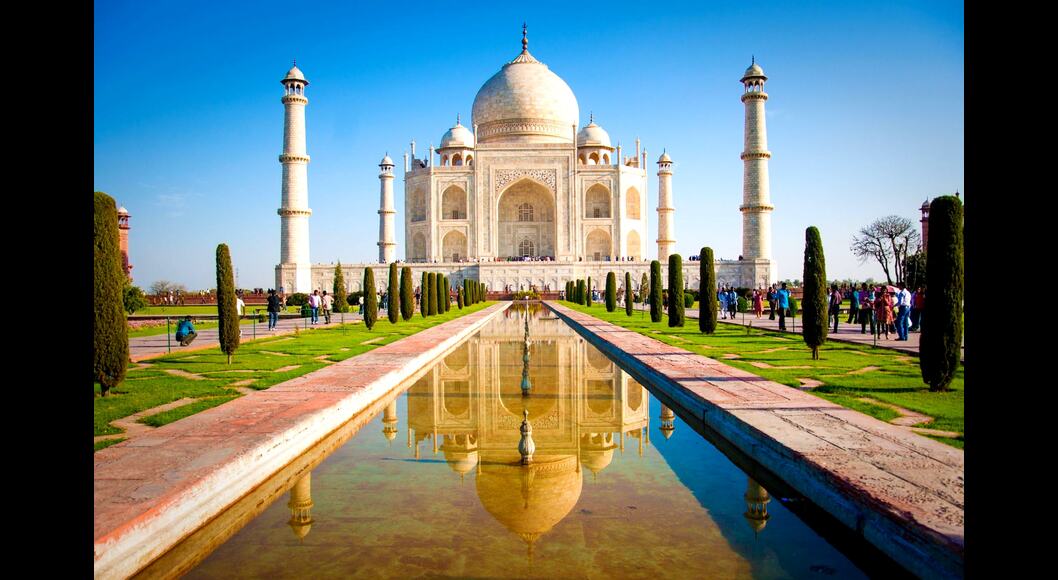
Some examples of heritage sites are:
- Taj Mahal in India
- Pyramids of Egypt
- Great Wall of China
- Machu Picchu in Peru
- Great Barrier Reef in Australia
- Yellowstone National Park in the USA
These places are special because they are important to human history, culture, science, nature, and environment.
History and Origin of World Heritage Day
The idea of World Heritage Day started as a global movement to protect historical and cultural sites across the world. Many important monuments were being destroyed due to:
- Wars
- Natural disasters
- Pollution
- Urban development
- Climate change
- Negligence
To solve this problem, ICOMOS proposed the idea of a special day to raise awareness. In 1982, World Heritage Day was officially announced. Later, in 1983, UNESCO accepted and supported this idea.
Since then, April 18 has been celebrated every year as World Heritage Day to remind people that heritage is not just property it is our responsibility.
UNESCO and World Heritage Sites
UNESCO stands for the United Nations Educational, Scientific and Cultural Organization. It works to protect education, culture, science, and heritage around the world.
UNESCO selects special places as World Heritage Sites. These are places that have outstanding value for all humanity, not just one country.
Today’s Global Heritage Facts:
- Around 1223 World Heritage Sites
- Located in 168 countries
- Include cultural, natural, and mixed sites
Types of UNESCO Heritage Sites:
- Cultural Sites – monuments, buildings, cities, temples, forts
- Natural Sites – forests, mountains, lakes, reefs, parks
- Mixed Sites – both cultural and natural importance
Famous World Heritage Sites Around the World
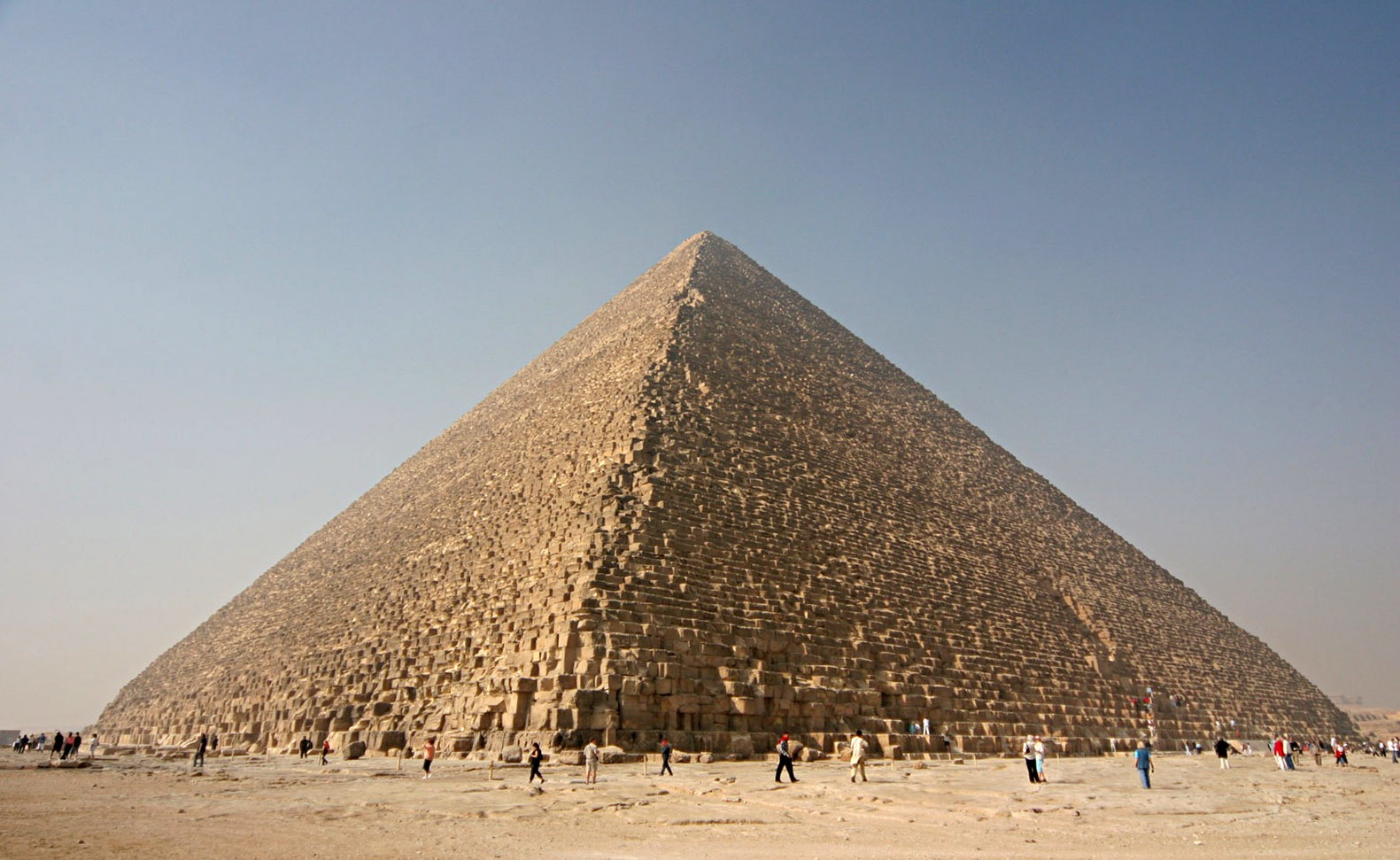
1. The Pyramids of Egypt
The Pyramids are among the oldest heritage sites in the world. They are also one of the Seven Wonders of the Ancient World. These structures were built thousands of years ago and still stand today as a symbol of ancient human knowledge and engineering skills.
2. The Great Wall of China
This long wall was built to protect China from invasions. It shows the strength, planning, and determination of ancient civilizations.
3. Machu Picchu (Peru)
An ancient city built on mountains, showing the brilliance of Inca civilization.
4. Great Barrier Reef (Australia)
One of the largest coral reef systems in the world. It is rich in marine life and natural beauty.
5. Yellowstone National Park (USA)
Known for geysers, hot springs, wildlife, and natural landscapes.
Interesting Facts About World Heritage Sites
- Italy has the highest number of UNESCO World Heritage Sites.
- China comes second in the list.
- Venice is in danger because of rising sea levels and climate change.
- The Galápagos Islands helped Charles Darwin develop the theory of evolution.
- Some heritage sites are thousands of years old.
- Many sites are in danger due to pollution and human activities.
Natural Heritage: Nature as Our Treasure
World Heritage is not only about buildings and monuments. Nature is also a part of our heritage.
Natural heritage includes:
- Forests
- Rivers
- Mountains
- Lakes
- Deserts
- Wildlife sanctuaries
- National parks
- Oceans and coral reefs
These places are important because:
- They protect biodiversity
- They support life on Earth
- They balance the climate
- They provide clean air and water
- They are home to animals and plants
If we destroy nature, we destroy our future.
Why World Heritage Day is Important
World Heritage Day is important because it teaches us many values:
1. Respect for History
It helps us understand the struggles, achievements, and lives of people who lived before us.
2. Cultural Understanding
Different cultures, traditions, and beliefs are respected and celebrated.
3. Education
Heritage sites teach us about architecture, science, art, religion, and society.
4. Environmental Protection
Natural heritage sites help protect forests, animals, and ecosystems.
5. Responsibility
It reminds us that heritage is not owned by one generation. It belongs to all generations.
Threats to World Heritage Sites
Many heritage sites are in danger because of:
- Pollution
- Climate change
- Global warming
- Tourism pressure
- Urban development
- Illegal construction
- Wars and conflicts
- Natural disasters
- Lack of care and protection
If we do not act now, many of these sites may disappear forever.
World Heritage Day and Young People
Students and young people play a very important role in protecting heritage. Schools and colleges can help by:
- Teaching history and culture
- Organizing heritage walks
- Celebrating heritage days
- Promoting environmental care
- Encouraging responsibility
Young minds are the future protectors of heritage.
World Heritage in India
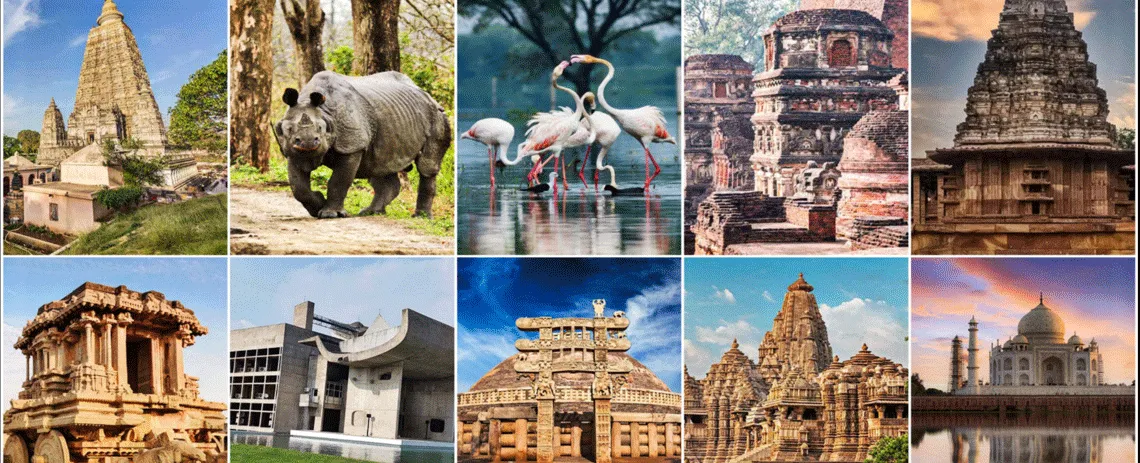
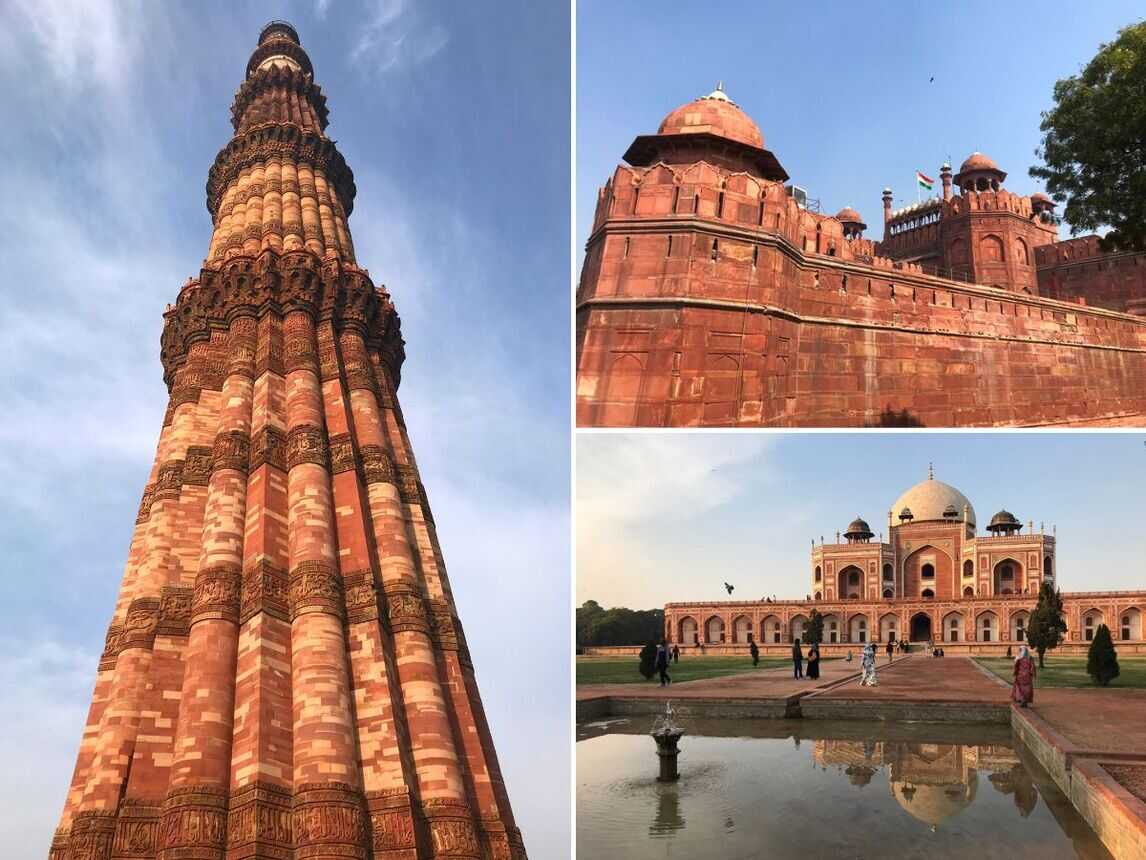
India is rich in heritage. It has many UNESCO World Heritage Sites, such as:
- Taj Mahal
- Red Fort
- Qutub Minar
- Ajanta and Ellora Caves
- Sun Temple (Konark)
- Kaziranga National Park
- Sundarbans
- Jaipur City
- Hampi
- Mahabalipuram
These places show India’s history, culture, religion, art, and natural beauty.
Role of Communities in Heritage Protection
Local people play a big role in protecting heritage. When communities care about their monuments and nature, protection becomes strong.
Communities can help by:
- Keeping sites clean
- Preventing damage
- Spreading awareness
- Supporting conservation
- Teaching children about heritage
Heritage protection starts at home.
Why Heritage is a Legacy
Heritage is not just about the past. It is a gift for the future.
If we protect heritage today:
- Our children will learn history
- Future generations will see beauty
- Culture will survive
- Nature will remain safe
- Human identity will stay strong
Heritage is our shared legacy.
How to Celebrate World Heritage Day
Here are simple ways to celebrate World Heritage Day:
1. Visit a Heritage Site
Visit a local monument, fort, museum, temple, park, or historical place.
2. Learn About History
Read books, articles, or watch documentaries about heritage sites.
3. Spread Awareness
Talk to friends and family about the importance of heritage.
4. Support Conservation
Support organizations that protect heritage and nature.
5. Participate in Events
Join school programs, cultural events, or heritage walks.
6. Protect Nature
Plant trees, save water, reduce waste, and protect animals.
Assam’s Contribution to World Heritage
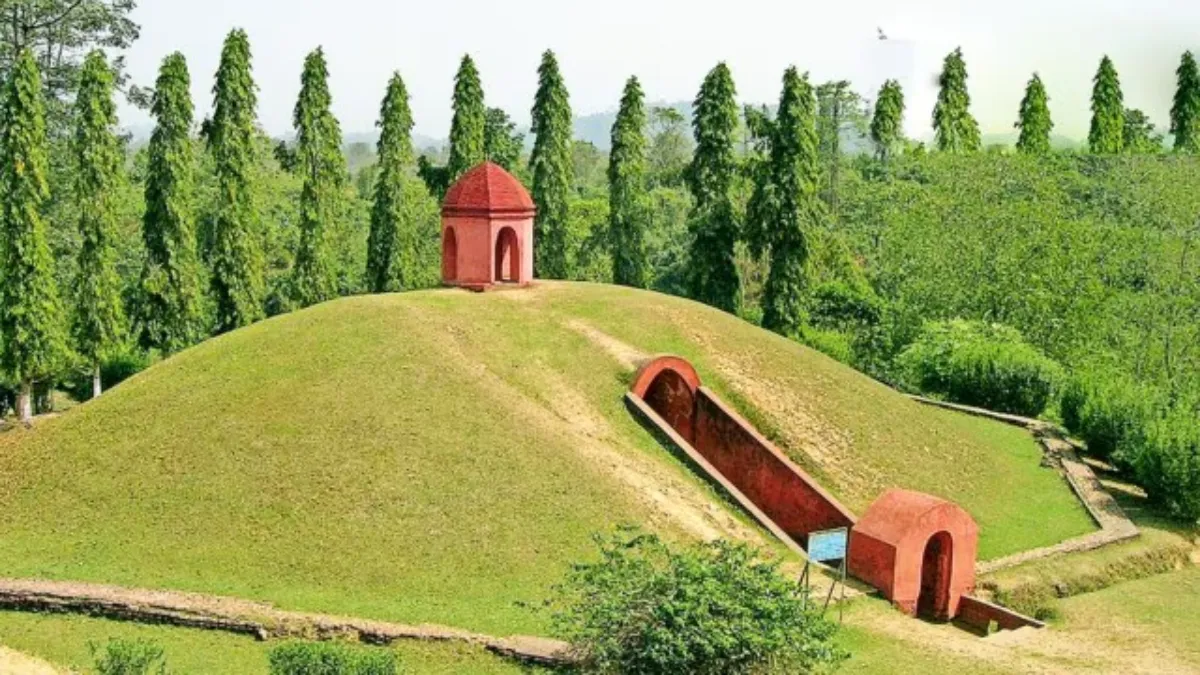
Assam is a proud land of natural beauty and rich history, and it is home to three UNESCO World Heritage Sites that represent both nature and culture. These are Kaziranga National Park and Manas Wildlife Sanctuary, which are natural heritage sites, and the Moidams – the Mound-Burial System of the Ahom Dynasty, which is a cultural heritage site. Kaziranga and Manas were inscribed in 1985 for their rich biodiversity, rare wildlife, and beautiful natural environment, while the Moidams were added in 2024 for their unique historical and architectural value. Kaziranga is famous for the one-horned rhinoceros, and Manas is known for its forests, rivers, and endangered animals. The Moidams show the burial traditions and royal history of the Ahom dynasty and reflect Assam’s ancient culture and heritage. Together, these sites show that Assam is not only rich in natural resources but also strong in history, tradition, and cultural identity, making it an important part of the world’s shared heritage.
Message of World Heritage Day
The message of World Heritage Day is simple:
“Protect the past. Save the present. Secure the future.”
Heritage does not belong to one country or one generation. It belongs to all humanity.
Conclusion
World Heritage Day is more than just a date on the calendar. It is a reminder of our duty, responsibility, and respect toward our cultural and natural treasures.
From ancient pyramids to deep forests, from historic forts to coral reefs, every heritage site tells a story. These stories teach us about human life, struggle, creativity, intelligence, and harmony with nature.
If we protect heritage, we protect our identity.
If we protect nature, we protect life.
If we protect history, we protect knowledge.
World Heritage Day teaches us that the past, present, and future are connected. By caring for our heritage today, we build a better world for tomorrow.
Let us all promise to respect, protect, and preserve our heritage, because it is not just history it is our living legacy for future generations.
FAQs (Frequently Asked Questions)
1. What is World Heritage Day?
World Heritage Day is observed on April 18 to raise awareness about protecting cultural, historical, and natural heritage sites.
2. Who started World Heritage Day?
It was started by ICOMOS in 1982 and later adopted by UNESCO in 1983.
3. What are UNESCO World Heritage Sites?
These are special places recognized by UNESCO for their global cultural, historical, or natural importance.
4. How many UNESCO World Heritage Sites are there in the world?
There are around 1223 UNESCO World Heritage Sites across 168 countries.
5. How many UNESCO World Heritage Sites are in Assam?
Assam has three: Kaziranga National Park, Manas Wildlife Sanctuary, and the Moidams of the Ahom Dynasty.
6. Why is World Heritage Day important?
It helps people understand the value of heritage and the need to protect it for future generations.