Dhanteras: Significance, History, and Celebrations in India

Dhanteras is one of the most important festivals in India, marking the beginning of the five-day Diwali celebration. This festival, also known as Dhanatrayodashi, is celebrated with immense devotion, joy, and the exchange of gifts, particularly gold, silver, and utensils. The name “Dhanteras” is derived from two words: ‘Dhan’ meaning wealth and ‘Teras’ meaning the thirteenth day, indicating the festival falls on the thirteenth lunar day of the Krishna Paksha (waning phase of the moon) in the Hindu month of Ashwin.
Thank you for reading this post, don't forget to subscribe!Dhanteras is not just a celebration of wealth but also a day dedicated to Lord Dhanvantari, the divine physician and the god of Ayurveda. The festival signifies prosperity, good health, and well-being, making it an essential prelude to Diwali.
Historical Background
The origins of Dhanteras are deeply rooted in Hindu mythology. According to legend, during the Samudra Manthan (churning of the ocean), Lord Dhanvantari emerged carrying a pot of Amrit (elixir of immortality) along with precious jewels. It is believed that worshipping Lord Dhanvantari on Dhanteras brings good health, fortune, and protection from evil forces.
Another popular myth relates to a king named Hima who was warned that he would die on the fourth day of his marriage due to a serpent bite. On the fateful night, his clever wife instructed him to place gold, coins, and diyas at the entrance. When Yama, the god of death, came to claim him, he was blinded by the lights and glittering wealth, sparing the king’s life. This tale is said to inspire the tradition of buying precious metals and lighting lamps on Dhanteras.
Cultural Significance
Dhanteras is celebrated across India with regional variations, but the underlying theme is the same: prosperity, wealth, and well-being. Traditionally, the festival emphasizes:
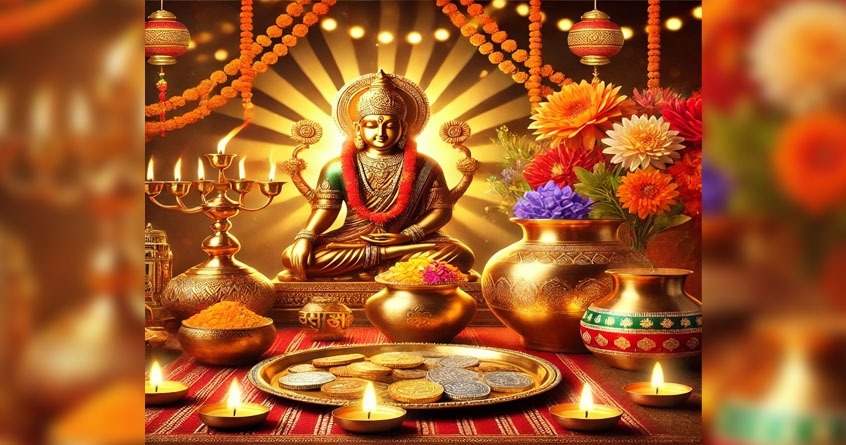
- Wealth Creation and Protection: Buying gold, silver, or utensils is believed to attract prosperity.
- Health and Wellness: Worshipping Lord Dhanvantari signifies health, longevity, and the eradication of diseases.
- Preparation for Diwali: Dhanteras sets the tone for Diwali, with homes being cleaned, decorated, and illuminated to welcome positive energy.
In addition, small businesses and traders consider Dhanteras an auspicious day to start new ventures or purchase new stock, reflecting the economic significance of the festival.
Rituals and Practices
Dhanteras rituals vary across different parts of India, but several common practices are widely observed:
1. Cleaning and Decoration of Homes
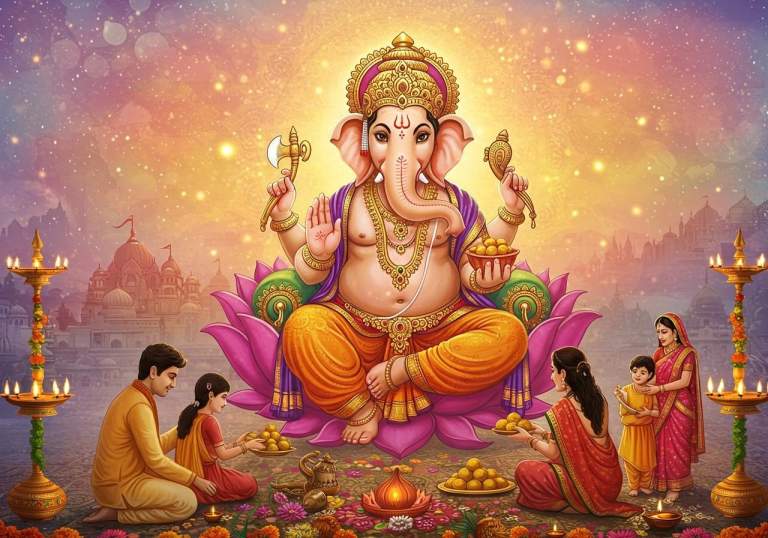
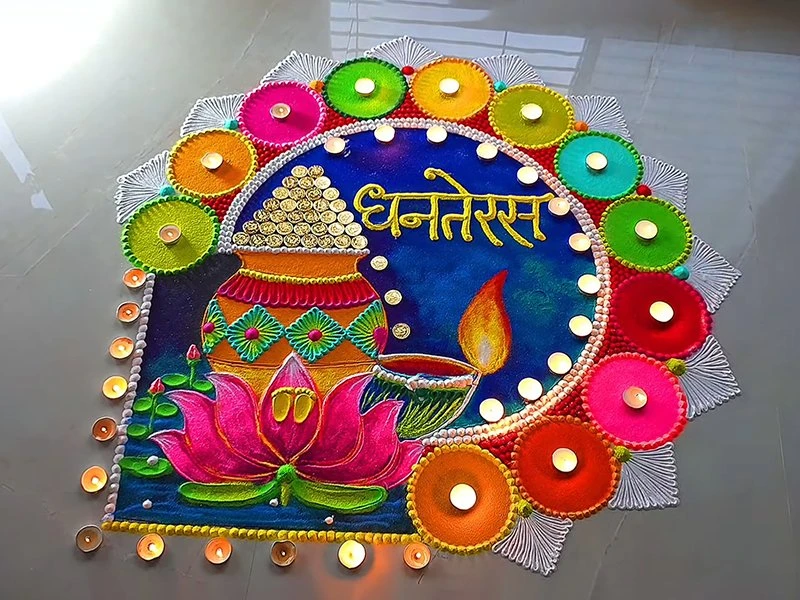
Before Dhanteras, households undergo a thorough cleaning and renovation. It is believed that Goddess Lakshmi, the goddess of wealth, only enters clean and well-lit homes. People decorate doorways with rangoli and torans (decorative hangings) made of mango leaves, marigold flowers, and lights to invite prosperity.
2. Buying Gold, Silver, and Utensils
Purchasing precious metals is the most significant Dhanteras tradition. Gold and silver symbolize wealth, security, and long-term prosperity. Many families also buy utensils as a way to ensure abundance in daily life. The first purchase on this day is believed to bring fortune for the entire year.
3. Lighting Diyas
Lighting oil lamps or diyas at the entrance and around the home is a vital ritual. The light is said to ward off negative energies, attract positive vibrations, and honor Yama, the god of death, for protection.
4. Worship of Lord Dhanvantari
Devotees perform puja for Lord Dhanvantari, offering flowers, fruits, and sweets while reciting mantras. Lord Dhanvantari is believed to bless the household with good health and longevity, making this ritual especially significant for families.
5. Buying New Items
Apart from precious metals, people purchase new clothes, gadgets, or kitchenware on Dhanteras. This practice symbolizes the start of new beginnings and prosperity.
Regional Variations
1. North India
In North India, Dhanteras is observed with great pomp. People buy gold and silver and worship Lord Dhanvantari. Homes are decorated elaborately with diyas, and people also perform Lakshmi Puja in the evening.
2. Maharashtra
In Maharashtra, the festival is associated with buying utensils and household items, which are considered symbols of wealth. Many people also visit temples dedicated to Lord Dhanvantari for blessings.
3. South India
In Tamil Nadu and Karnataka, Dhanteras coincides with Ayurveda rituals and is linked to health. People focus on buying new items for the home and lighting lamps to ensure the well-being of family members.
4. Western India
In Gujarat and Rajasthan, traders perform Chopda Pujan, where account books are worshipped to mark the beginning of the new financial year. It is a day of business prosperity and meticulous record-keeping.
Modern-Day Celebration of Dhanteras
While Dhanteras has traditional roots, modern celebrations incorporate contemporary practices:
- Digital Shopping: Many people buy gold, silver, and utensils online due to convenience and discounts.
- Gift Exchanges: Dhanteras has become a day for exchanging gifts, particularly precious metals, electronics, and home décor items.
- Eco-Friendly Celebrations: Conscious efforts are being made to celebrate Dhanteras sustainably by using eco-friendly diyas, natural rangoli colors, and minimalistic decorations.
- Corporate Celebrations: Organizations often host small pujas and celebrations for employees to invoke prosperity and good fortune.
Health and Wealth Connection in Dhanteras
Unlike other festivals that focus solely on wealth, Dhanteras uniquely combines prosperity with well-being. Lord Dhanvantari, who is worshipped during this festival, symbolizes Ayurveda, the ancient Indian science of medicine. Devotees believe that praying to Dhanvantari safeguards against illnesses and promotes long-term health, creating a holistic balance between wealth and wellness.
Astrological Significance
Dhanteras is celebrated on the thirteenth lunar day of Krishna Paksha in Ashwin. According to astrology:
- The day is ruled by Yama, the god of death, and worshipping him brings protection and longevity.
- Buying precious metals on this day is considered highly auspicious for financial growth and stability.
- Lighting lamps is believed to ward off evil spirits and negative energies that may affect the family.
Many people also consult astrologers to determine the most favorable muhurat (time) for making purchases or starting new ventures on Dhanteras.
Dhanteras and Economic Impact
Dhanteras has a significant economic dimension, particularly in India’s jewelry, retail, and e-commerce sectors:
- Jewelry Sales: Gold and silver purchases spike during this period, often accounting for a substantial portion of annual sales.
- Retail Boost: Stores see increased sales in home appliances, utensils, and festive clothing.
- E-Commerce Growth: Online platforms offer deals and discounts, making Dhanteras a major shopping event similar to Black Friday in Western countries.
The festival, therefore, not only fosters cultural and religious unity but also supports local businesses and boosts the economy.
Tips to Celebrate Dhanteras Effectively
To make the most of Dhanteras, families can follow these simple tips:
- Clean and Decorate: Ensure your home is clean and decorate with diyas and rangoli to invite positive energy.
- Purchase Wisely: Buy gold, silver, or essential household items in auspicious quantities.
- Perform Dhanvantari Puja: Include prayers for health and longevity alongside wealth.
- Eco-Friendly Practices: Use natural colors, LED lamps, and minimal plastic decorations.
- Family Involvement: Engage children in rituals and celebrations to pass on cultural values.
Conclusion: The Essence of Dhanteras
Dhanteras is more than just a prelude to Diwali; it is a festival that beautifully intertwines wealth, health, and prosperity. From the worship of Lord Dhanvantari to buying precious metals, lighting lamps, and performing rituals, every aspect of Dhanteras carries spiritual, cultural, and economic significance.
By observing Dhanteras, families not only honor age-old traditions but also welcome prosperity, happiness, and good health into their lives. Whether celebrated with traditional fervor or modern flair, the essence of Dhanteras remains timeless, reflecting the rich cultural heritage of India.
FAQs About Dhanteras
1. What is Dhanteras?
Dhanteras, also known as Dhanatrayodashi, is the first day of the five-day Diwali festival. It falls on the thirteenth lunar day of Krishna Paksha in the month of Ashwin. The festival is dedicated to wealth, prosperity, and good health, and is associated with Lord Dhanvantari, the god of Ayurveda.
2. Why is it called Dhanteras?
The name “Dhanteras” comes from two Sanskrit words: ‘Dhan’ meaning wealth and ‘Teras’ meaning the thirteenth day. It signifies the thirteenth day of the Krishna Paksha, which is considered highly auspicious for buying gold, silver, and utensils.
3. Who is worshipped on Dhanteras?
On Dhanteras, devotees primarily worship Lord Dhanvantari, the god of health and Ayurveda. In addition, Goddess Lakshmi, the goddess of wealth, is also worshipped to attract prosperity.
4. What are the main rituals of Dhanteras?
- Cleaning and decorating homes with rangoli and diyas.
- Buying gold, silver, and utensils.
- Performing Dhanvantari Puja for health and well-being.
- Lighting lamps to ward off negative energies.
- Offering prayers for family prosperity and longevity.
5. Why is buying gold or silver important on Dhanteras?
Buying precious metals on Dhanteras is considered auspicious as it attracts wealth, prosperity, and good fortune. It is believed that the first purchase on this day brings long-lasting financial blessings.
6. When is Dhanteras celebrated?
Dhanteras is celebrated on the thirteenth day of the dark fortnight (Krishna Paksha) of Ashwin month in the Hindu calendar. The date changes every year according to the lunar calendar.
7. What is the significance of lighting diyas on Dhanteras?
Lighting diyas symbolizes removing darkness and negativity from the home, inviting positive energy and blessings from the gods, especially protection from Yama, the god of death.
8. How is Dhanteras celebrated in different parts of India?
- North India: Focus on gold and silver purchases, Lakshmi Puja, and home decoration.
- Maharashtra: Buying utensils and household items as a sign of wealth.
- South India: Worship of Lord Dhanvantari and emphasis on health.
- Western India: Traders perform Chopda Pujan for business prosperity.
9. Is Dhanteras only about wealth?
No, Dhanteras celebrates both wealth and well-being. Along with prosperity, people worship Lord Dhanvantari for health, longevity, and protection from diseases.
10. Can electronics or gadgets be bought on Dhanteras?
Yes, modern celebrations often include purchasing gadgets, electronics, and new household items as symbols of prosperity and new beginnings.