


US Iran Sanctions Target India-Linked Network

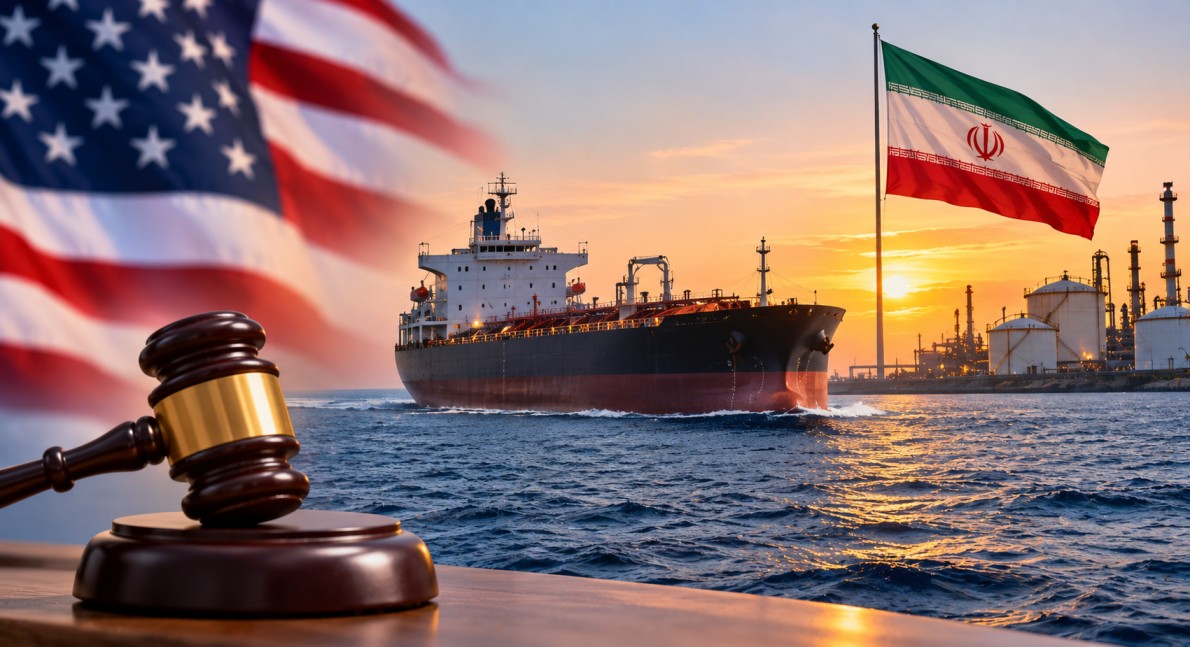
US Iran Sanctions were expanded on November 4, 2026, when the U.S. Treasury Department announced measures against an India-linked maritime network and a Turkish ground-services company. The action was taken over alleged support for Iran’s oil trade and aviation sector, both of which remain under extensive U.S. restrictions.
The latest measures focus on people and businesses accused of helping restricted Iranian activities continue through shipping services, maritime documentation and airline support. The U.S. says it will also target intermediaries that help sanctioned networks operate.

Why the United States Announced New Sanctions
The U.S. Treasury Department announced the designations under Executive Order 13902. This order allows action against activities connected to Iran’s petroleum, petrochemical and aviation sectors.
The measures are part of a campaign called “Operation Economic Outcast”, launched by the Treasury on August 24, 2026. The campaign aims to reduce the Iranian government’s access to oil revenue and other economic support.
Instead of focusing only on Iranian companies, the sanctions also target third-party businesses and individuals accused of helping Iranian interests. These intermediaries may provide services such as shipping, certification, financial support or aviation assistance.
India-Linked Maritime Network Named in the Action
The Treasury designated India-based Suniel Kumar Sharma and his wife, Jaspreet Preeti Shahid. It alleged that they had operated a large network from Chandigarh since at least 2014.
Two other Indian citizens, Ashwani Kumar Dhiman and Ishwinder Singh, who head businesses associated with Sharma and Shahid, were also designated. The action included nine India-based entities linked to the couple.
The named entities include Oceaniek Technologies India, Aryavart Ship Management Private Limited, Precept Trends Private Limited, Polynesia Maritime Private Limited, Alexarya Finserv Private Limited, Alexarya Media and Entertainment Private Limited, Viharaboating Private Limited and Aryavart Maritime and Educational Trust.
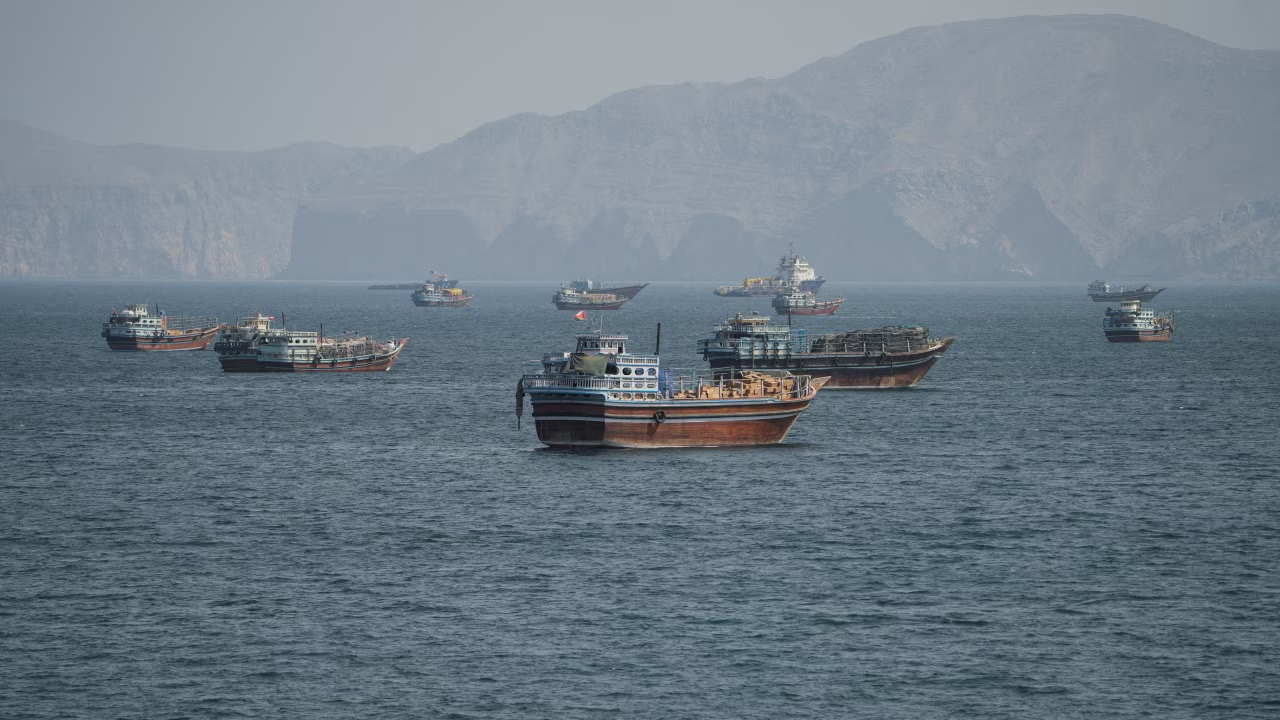
The Treasury’s allegations concern services linked to Iranian oil transport and maritime operations. According to the department, the network created maritime registries and classification services that could help sanctioned vessels obtain false documents and appear legitimate.
Alleged Use of False Maritime Registries
The Treasury alleged that the network set up websites that appeared to represent maritime authorities and classification organisations in several countries and territories. These included Aruba, Eswatini, Guyana, Laos, Mali, Malawi, Mozambique, Sint Maarten and Timor-Leste.
According to the allegations, these false registries and certifications allowed vessels to obtain flags and documents that misrepresented their status. Some vessels were allegedly involved in transporting Iranian petroleum, including ships operating on behalf of Iran’s military and its proxies.
Maritime flags and certification documents help identify a vessel, its registration and its compliance with relevant rules. False or misleading documents can make it harder to identify a ship’s ownership, activity or links to restricted groups.
The Treasury also alleged that the network helped vessels avoid international safety and environmental rules and operate without indemnity insurance. The sanctions therefore address not only alleged oil-trading links but also the documentation systems that may support the movement of vessels.
Turkish Company Accused of Supporting Iranian Airlines
The U.S. Treasury also designated Turkey-based Fugo Ground Services Inc. over alleged support for Iran’s aviation sector.
The company was accused of providing continuing services to Iranian airlines subject to sanctions. These included Iran Air Tour, Saha Airlines, Taban Airlines and Ata Airlines.
Ground services can include assistance needed for aircraft and airline operations. Providing these services to a sanctioned carrier may allow it to continue operating despite restrictions. The designation of Fugo Ground Services extends the latest action beyond maritime trade to aviation support.
How the Sanctions Affect Businesses
The sanctions freeze property and interests in property belonging to designated individuals and organisations when those assets fall under U.S. jurisdiction. U.S. citizens and businesses are generally prohibited from conducting financial or commercial transactions with designated parties unless the Treasury Department’s Office of Foreign Assets Control (OFAC) authorises them.
Restrictions can also apply to companies owned, directly or indirectly, at least 50% by one or more designated persons or organisations. This means a business may be restricted even if it is not separately named in the announcement.
Non-U.S. companies and individuals may also face penalties for facilitating prohibited transactions or helping others evade U.S. sanctions. These rules can affect businesses involved in shipping, payments, certification, aviation and other services connected to designated parties.
Treasury Secretary Scott Bessent said the United States would continue to impose sanctions on those supporting the Iranian regime.
Wider Context of the November 4 Announcement
The sanctions announcement came one day after the U.S. midterm elections, held on November 3, 2026. The Democratic Party won control of both houses of Congress in those elections. However, no connection between the election result and the sanctions action has been established in the information provided.
The latest measures show how sanctions can reach beyond a country’s own companies. Shipping registries, certification services, airline ground support and other intermediaries can all become part of enforcement actions when they are accused of helping restricted trade or operations continue.