Piton de la Fournaise Eruption: Fresh Lava Flows Light Up La Réunion

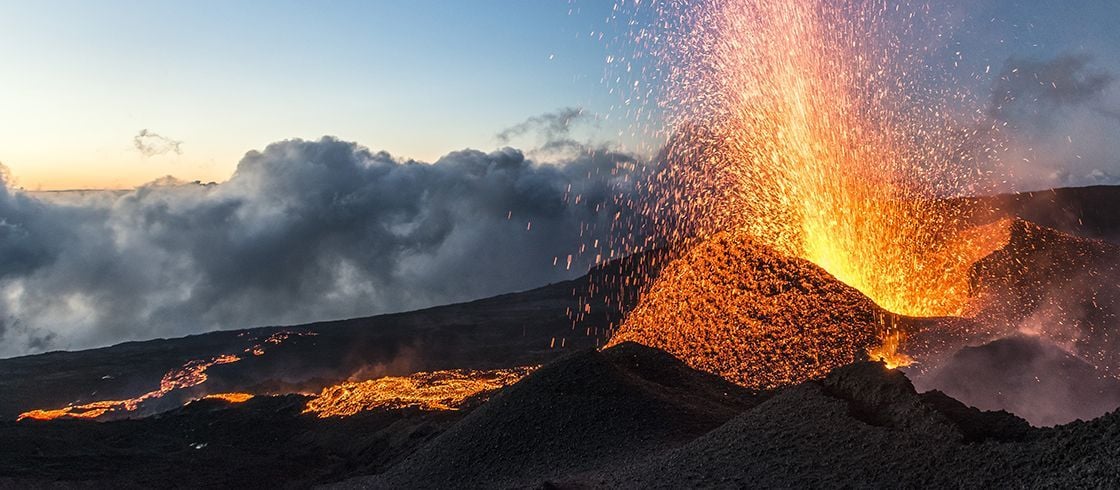
The Piton de la Fournaise Eruption has once again drawn global attention as one of the world’s most active volcanoes returned to life on La Réunion island. A second effusive eruption began after renewed seismic unrest beneath the summit, confirming that the volcanic system remains highly active. The event highlights the dynamic nature of this volcano and the importance of continuous monitoring in volcanic regions.
Thank you for reading this post, don't forget to subscribe!Eruption Begins After Seismic Crisis
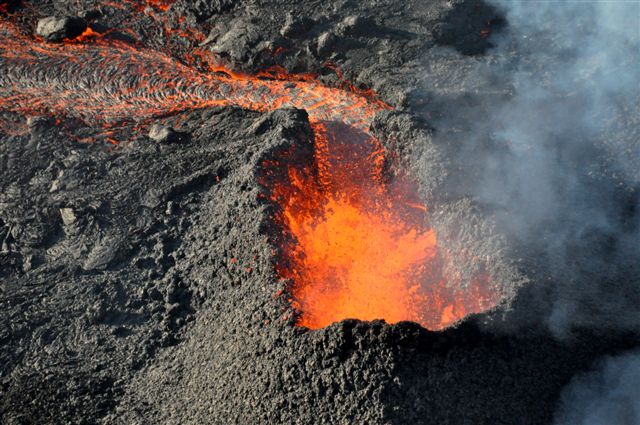
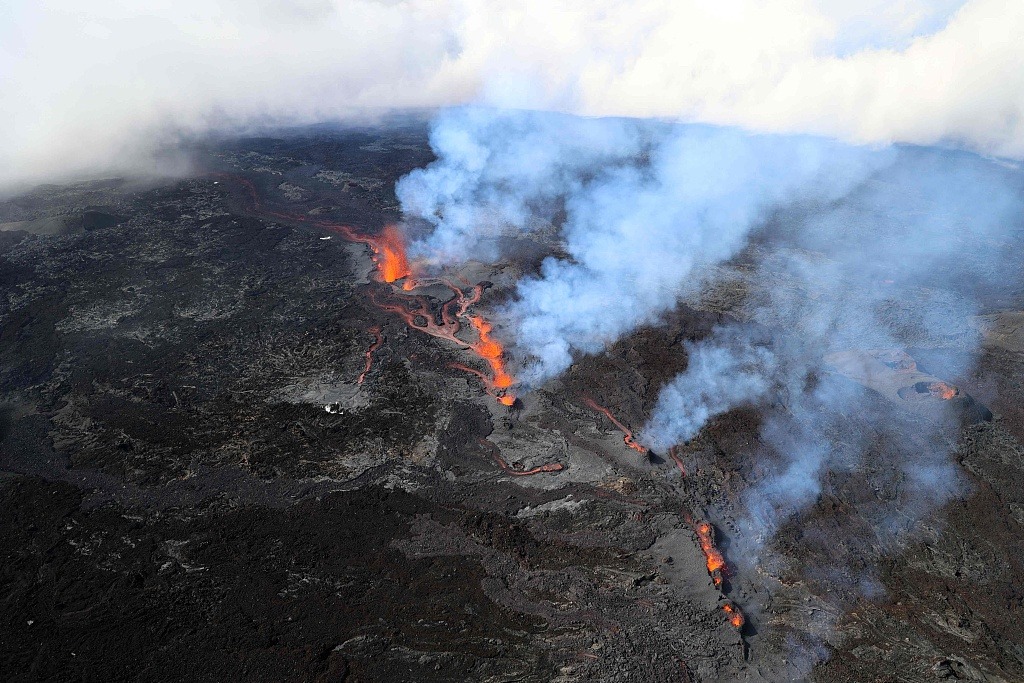
The latest activity at Piton de la Fournaise started on February 13 at 10:06 local time, shortly after a fresh seismic crisis was detected. Instruments recorded intense underground movements beneath the summit, signaling that magma was rising toward the surface. Within hours, fissures opened on the south–south-east flank of the volcano, allowing lava to escape.
Lava flows quickly became visible inside the Enclos Fouqué, a large uninhabited caldera that contains most of the volcano’s eruptions. From these fissures, glowing lava streams began descending the steep Grandes Pentes slopes, creating a dramatic yet controlled volcanic display.
Safety Measures and Alert Level
Following the eruption, authorities moved swiftly to ensure public safety. The ORSEC Alert 2–1 was activated, a level that confirms the eruption is confined within the caldera and poses no immediate danger to populated areas. As a precaution, all access to the Enclos Fouqué was closed.
Key entry points, including the popular Pas de Bellecombe-Jacob viewpoint, were shut down. Gendarmerie units were deployed to evacuate hikers who were inside the caldera at the time. These actions reflect standard safety procedures whenever activity increases at this highly active volcano.
Lava Flow Progress and Road Precautions
As the Piton de la Fournaise Eruption continued, authorities closely tracked the movement of lava. By around 13:00 on February 13, lava flows had descended to an elevation of about 1,500 metres. Later that evening, reports indicated that the lava front was advancing toward National Road 2 in the Route des Laves area.
Although the road remained open, drivers were advised not to stop along the route. This guidance aimed to prevent traffic jams and accidents caused by people attempting to view the lava. Such measures have been necessary in past eruptions, as lava flows near roads often attract large crowds.
Importantly, the lava remained within uninhabited areas, and no homes or infrastructure were directly threatened. There were also no major ash emissions, which is typical of effusive eruptions where lava flows gently rather than exploding violently.
Seismic Activity and Ground Deformation
Scientific monitoring networks recorded strong underground activity before and during the eruption. On February 13 alone, 551 summit volcano-tectonic earthquakes were detected, along with two deeper seismic events. These earthquakes were a clear sign that magma was forcing its way upward through the volcanic system.
Ground deformation data added further confirmation. GNSS stations around the summit showed inflation, meaning the ground was swelling as magma accumulated in a shallow reservoir. Even stations farther from the summit recorded slight inflation, suggesting that deeper magma sources were also becoming pressurized.
Earlier in February, scientists had already observed warning signs. A seismic swarm of more than 300 small earthquakes occurred beneath the summit, accompanied by subtle ground movements. These signals indicated that magma was intruding into the system and that another eruption was likely.
Link to January’s Volcanic Activity
The current Piton de la Fournaise Eruption is closely linked to earlier activity in January. The year’s volcanic phase began on January 18, when an eruption followed a rapid seismic crisis. During that event, four fissures opened along the northern flank inside the caldera.
Lava fountains reached heights of up to 20 metres, and flows advanced roughly 0.6 kilometers toward the Grandes Pentes. That eruption ended by January 20, leaving behind cooling lava and gas emissions. However, monitoring soon showed that the magma system was recharging.
Between January 21 and 28, around 20 shallow earthquakes per day were recorded beneath the summit. These were accompanied by long-period events linked to the movement of fluids underground. Continuous summit inflation confirmed that pressure was building again, setting the stage for the February eruption.
Why This Volcano Erupts So Often
Located on La Réunion, east of Madagascar in the Indian Ocean, Piton de la Fournaise is among the most active volcanoes on Earth. Its frequent eruptions are driven by a steady supply of magma rising from deep within the Earth’s mantle.
Most eruptions here are effusive, meaning lava flows steadily rather than exploding violently. This makes the volcano less dangerous than highly explosive systems, but it still requires strict monitoring and access control to protect lives.
Continuous Monitoring and Public Awareness
As lava effusion continues within the caldera, scientists and authorities remain on high alert. Monitoring systems track seismic activity, gas emissions, and ground deformation around the clock. These tools allow experts to detect changes quickly and issue warnings if conditions evolve.
For now, the eruption remains confined, and there is no immediate threat to towns or villages. Still, officials urge residents and visitors to respect safety closures and follow official guidance. The Piton de la Fournaise Eruption serves as a reminder of the powerful natural forces at work beneath the Earth’s surface and the importance of preparedness in volcanic regions.