India Bets on Rare Earths: Building Strength at the Magnet Bottleneck of the Green Economy

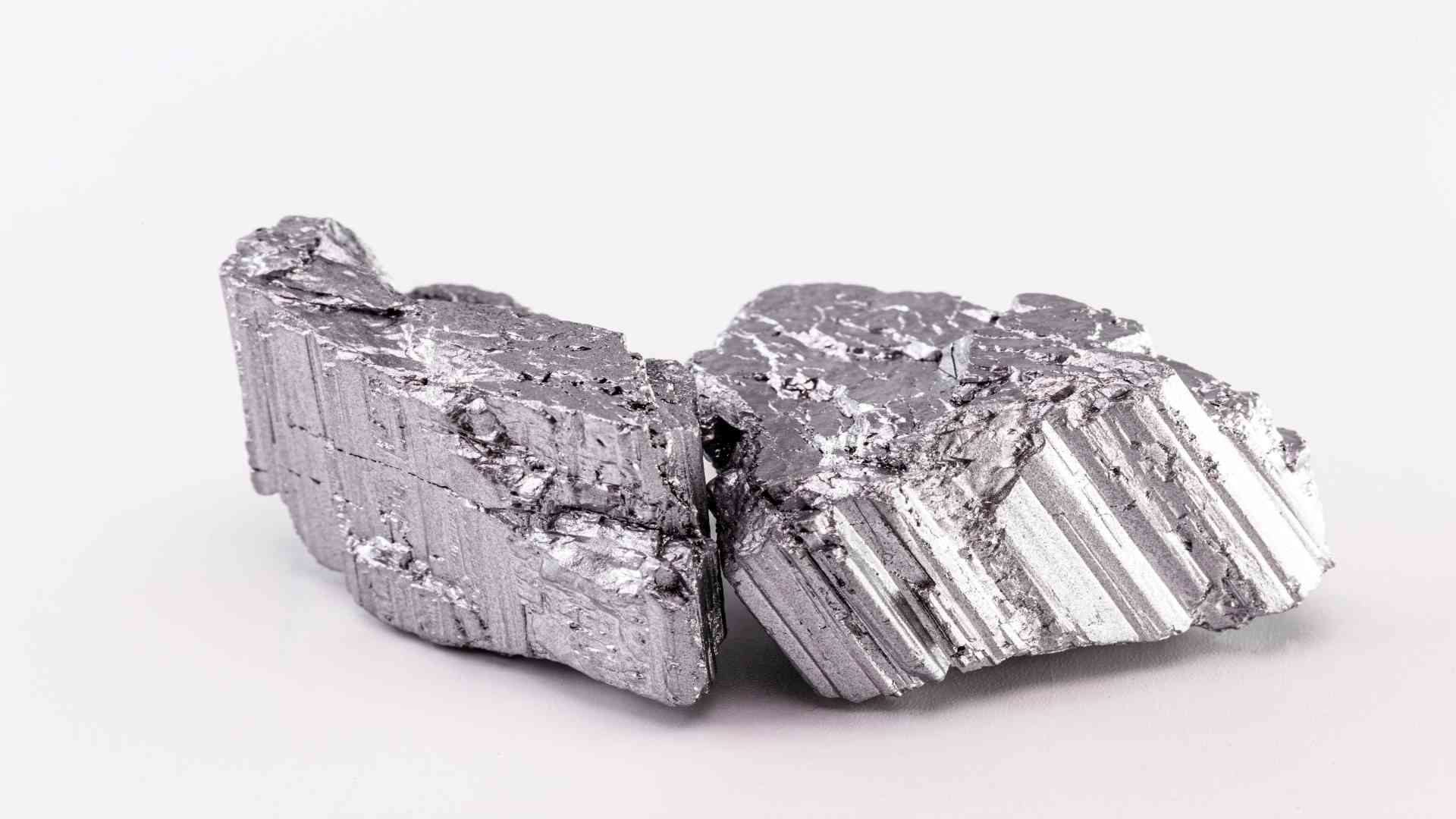
India Bets on Rare Earths as the world reaches a turning point at the end of 2025, where climate goals, industrial policy and geopolitics increasingly overlap. Rare earth elements may not be used in large volumes, but a small group of them controls the pace of electric vehicle adoption, wind power expansion and advanced electronics manufacturing. The challenge today is not just recognising their importance, but building secure and affordable supply chains without repeating the environmental damage and governance failures of the past.
Thank you for reading this post, don't forget to subscribe!Why magnets matter more than mines
The weakest link in the rare earth supply chain is not mining, but the production of high-performance permanent magnets. Neodymium-iron-boron magnets are essential for electric vehicle motors, wind turbines and many high-end electronic devices. When disruptions happen, it is shortages of these magnets that send shockwaves through industries, not the lack of raw ore itself.
This difference is crucial. A country can discover new rare earth deposits and still remain dependent on imports if it does not control chemical separation and magnet manufacturing. In rare earths, refining and processing play the same role that oil refining plays in crude markets. Real power lies in the ability to turn raw material into usable industrial components. This explains why global supply chains remain heavily tilted in one direction even as new mineral discoveries are announced elsewhere.
China’s dominance and the challenge of diversification
China’s strong position in rare earth processing and magnet manufacturing has made diversification extremely difficult. Over the years, it has built scale, technical expertise and integrated supply chains that few others can match. Recent export controls and tighter regulations have shown how quickly policy decisions in one country can disrupt global manufacturing.
As a result, countries that rely on imports have had to rethink their strategies. The focus has shifted away from simply finding new mines to building midstream capabilities such as separation, refining and alloying. These stages require heavy investment, advanced technology and strong environmental controls. High costs and strict standards create barriers that slow down new entrants, even when mineral resources are available.

India’s late-2025 shift towards magnet manufacturing
Against this global backdrop, India’s decision in late 2025 to prioritise magnet manufacturing marks an important turning point. Instead of placing mining at the centre of its rare earth strategy, the government has chosen to focus on the most critical bottleneck. A ₹7,280-crore incentive scheme aims to create an integrated ecosystem capable of producing 6,000 tonnes of sintered rare earth permanent magnets every year.
This move reflects a clear understanding of where strategic leverage lies. Domestic magnet production can reduce exposure to sudden import disruptions and support industries such as electric vehicles, renewable energy equipment and advanced electronics. Magnets, in this sense, are not just components. They are the foundation on which a wider green manufacturing base can be built.
The upstream reality: monazite, thorium and strict oversight
While the downstream vision is ambitious, India’s upstream challenges are complex. The country’s main domestic source of rare earths is monazite-rich beach sand. Monazite is closely linked with thorium and other materials that are relevant to the nuclear sector. This connection places rare earth extraction under a tightly regulated framework involving several public authorities.
Mining and processing therefore demand careful coordination between regulators, public sector companies and local communities. Environmental protection is not optional here. It is a core requirement that shapes project timelines and costs. Any failure in waste management or community engagement can trigger strong opposition, legal delays and long-term damage to public trust.
From exploration to industry: the missing middle layer as India Bets on Rare Earths
Under the National Critical Mineral Mission, the Geological Survey of India has been assigned multiple exploration projects extending into the next decade. These efforts will improve knowledge about domestic resources, but exploration alone does not create industrial capacity.
The biggest gap lies in the midstream segment. India lacks sufficient facilities for separation, refining and alloying of rare earths. These processes form the bridge between raw minerals and finished magnets. Building this bridge requires clear regulations, stable financing and enforcement systems that can withstand both political pressure and environmental scrutiny. Without this middle layer, upstream discoveries and downstream factories remain disconnected.
Making magnet manufacturing financially viable as India Bets on Rare Earths
Even at the downstream end, success is not automatic. Magnet manufacturing must be commercially attractive for private investors. This depends on long-term purchase commitments from industries such as electric vehicles, wind energy and electronics. Assured demand can reduce risk and encourage companies to invest in large-scale facilities.
Process innovation also plays an important role. Research into material substitution, recycling of used magnets and efficiency improvements can reduce dependence on the most supply-constrained elements. These steps can lower costs and reduce exposure to future supply shocks, strengthening long-term resilience.

What the green transition will reward as India Bets on Rare Earths
The next phase of the global green transition will favour countries that can scale supply chains responsibly. Speed alone will not be enough. Environmental credibility, social acceptance and risk diversification will matter just as much. For India, this means turning policy announcements into functioning industrial systems.
By focusing on magnets rather than only on mines, India bets on rare earths in a way that addresses the most immediate strategic vulnerability. If this approach is matched with strong environmental governance and effective execution, India can reduce its import dependence and secure a stable role in the clean energy economy. In that future, resilience will be as valuable as growth, and careful planning will determine who leads and who follows.