


Hydrogen Fuel Pilot Drives Clean Transport in India

Hydrogen Fuel Pilot has been launched by the Government of India to promote clean and sustainable transport across the country. The initiative includes trial runs on multiple routes using hydrogen-powered buses and trucks. This project is part of the push toward reducing pollution and moving to cleaner energy sources. It also reflects the growing importance of alternative fuels in today’s transport systems.
What Is Hydrogen Mobility
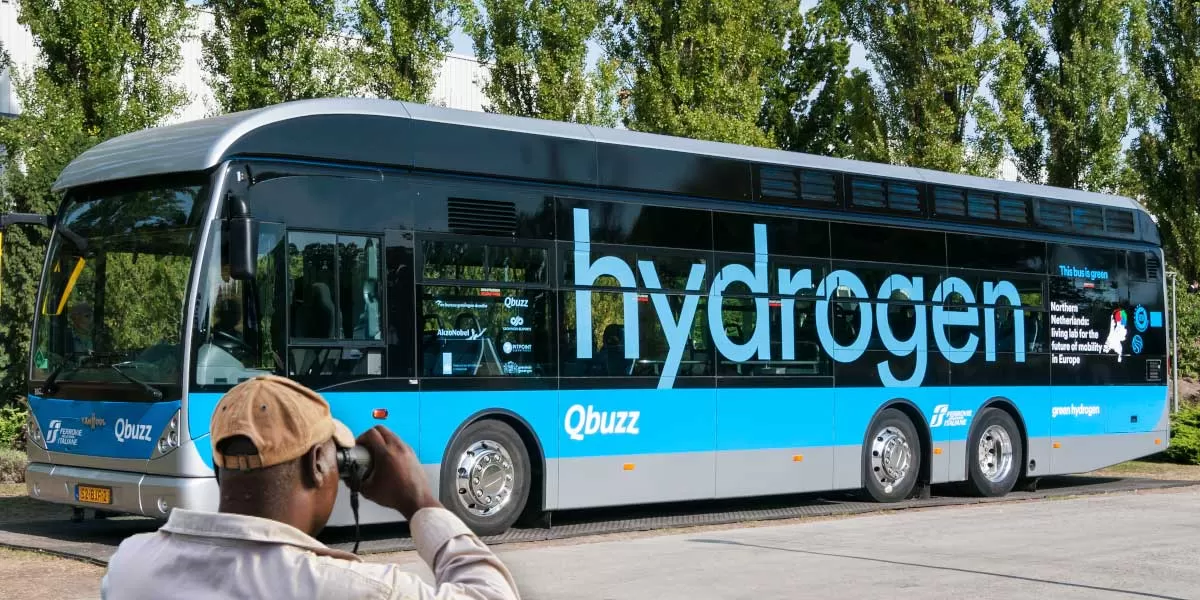
The Hydrogen Fuel Pilot focuses on hydrogen mobility, which means using hydrogen as a fuel for vehicles. Hydrogen can power vehicles in two main ways. One method uses fuel cells that convert hydrogen into electricity. The other method involves modified engines that burn hydrogen directly. Both approaches aim to reduce harmful emissions and improve environmental sustainability.

Coverage of Routes Across India
The Hydrogen Fuel Pilot is being tested on 10 different routes across India. These include major corridors such as Delhi-Agra Expressway, Pune-Mumbai, and Ahmedabad-Surat. Other routes connect cities and regions with high traffic and economic activity. This wide coverage helps test the performance of hydrogen vehicles in different conditions. It also ensures that the pilot project reflects real-world usage.
Infrastructure and Refuelling Stations
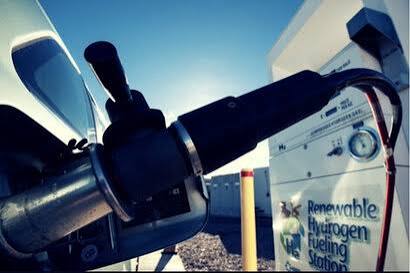
The Hydrogen Fuel Pilot includes the development of hydrogen refuelling stations along the selected routes. These stations are important for storing and supplying hydrogen fuel. Nine such stations are planned as part of the project. They will support the operation of hydrogen-powered vehicles during the trial phase. Infrastructure development is a key step in adopting new fuel technologies.
Industry Participation and Collaboration
The Hydrogen Fuel Pilot involves major companies such as Tata Motors, Reliance Industries, NTPC, Ashok Leyland, and Indian Oil. These companies are working together to develop vehicles, fuel systems, and infrastructure. Their involvement brings technical expertise and investment into the project. Such collaboration is important for the success of large-scale initiatives.
Investment and Project Scale
The Hydrogen Fuel Pilot has received funding support from the government. The project includes dozens of vehicles, including buses and trucks powered by hydrogen. This scale allows for detailed testing of performance, efficiency, and reliability. It also helps identify challenges and possible improvements. Investment in such projects shows a long-term commitment to clean energy.
Environmental Benefits of Hydrogen Fuel
The Hydrogen Fuel Pilot supports efforts to reduce pollution and carbon emissions. Hydrogen-powered vehicles produce little or no harmful emissions, depending on the technology used. This makes them a cleaner alternative to traditional fossil fuel vehicles. As cities face rising pollution levels, such solutions are becoming more important. The shift to cleaner fuels can improve air quality and public health.
Link to National Green Hydrogen Mission
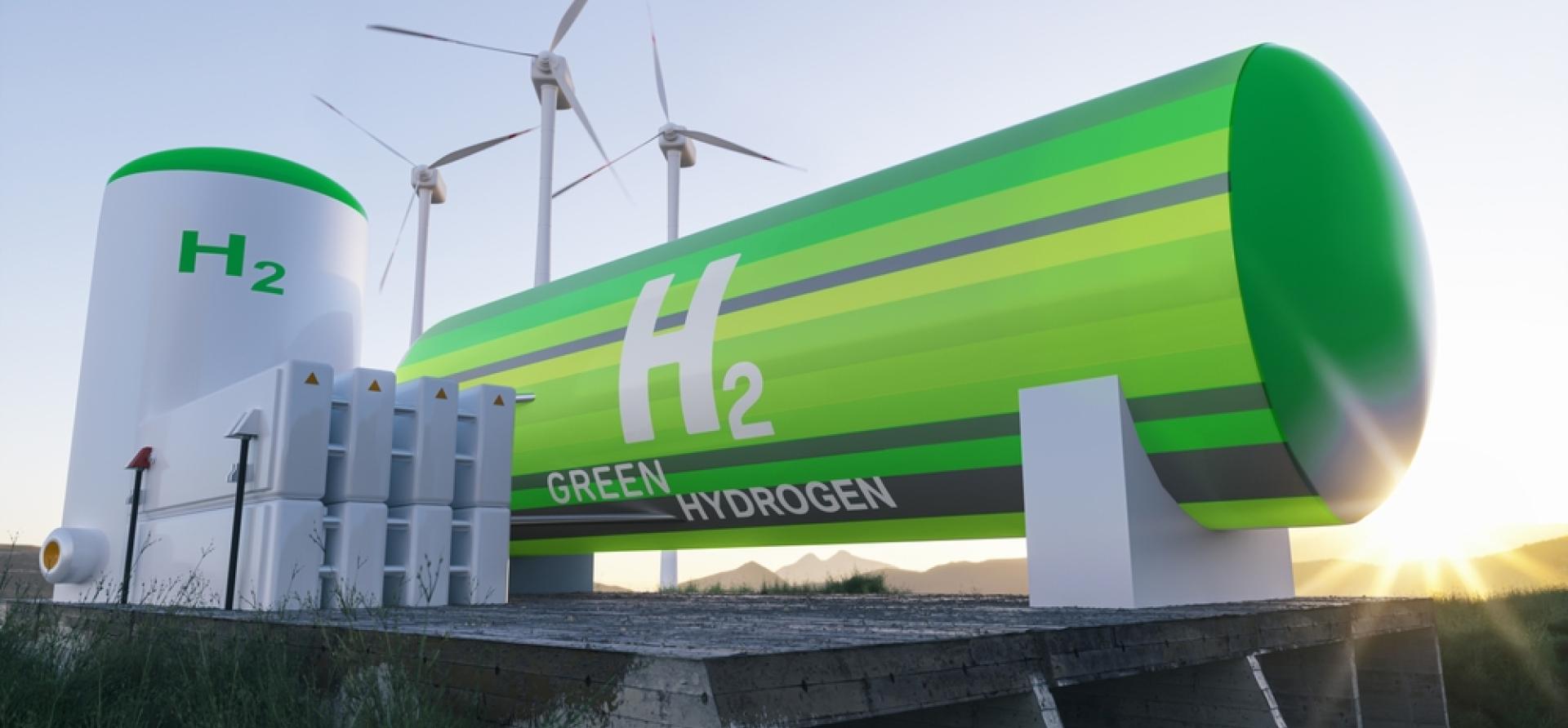
The Hydrogen Fuel Pilot is part of the broader National Green Hydrogen Mission. This mission aims to promote the production and use of green hydrogen in different sectors. Green hydrogen is produced using renewable energy sources, making it environmentally friendly. The mission supports innovation and investment in hydrogen technologies.
Challenges and Future Possibilities
The Hydrogen Fuel Pilot also helps identify challenges in adopting hydrogen as a fuel. These include high costs, infrastructure needs, and safety considerations. Testing these aspects during the pilot phase allows for better planning in the future.
With continued research and development, hydrogen could become a major part of India’s energy mix.
Hydrogen Fuel Pilot in Today’s Context
The Hydrogen Fuel Pilot reflects the growing global shift toward clean energy and sustainable transport. Countries around the world are exploring hydrogen as an alternative fuel. India’s initiative shows its commitment to innovation and environmental responsibility. By testing hydrogen-powered transport systems, the country is preparing for a cleaner and more efficient future.