


BIMSTEC Home Ministers Meet in India

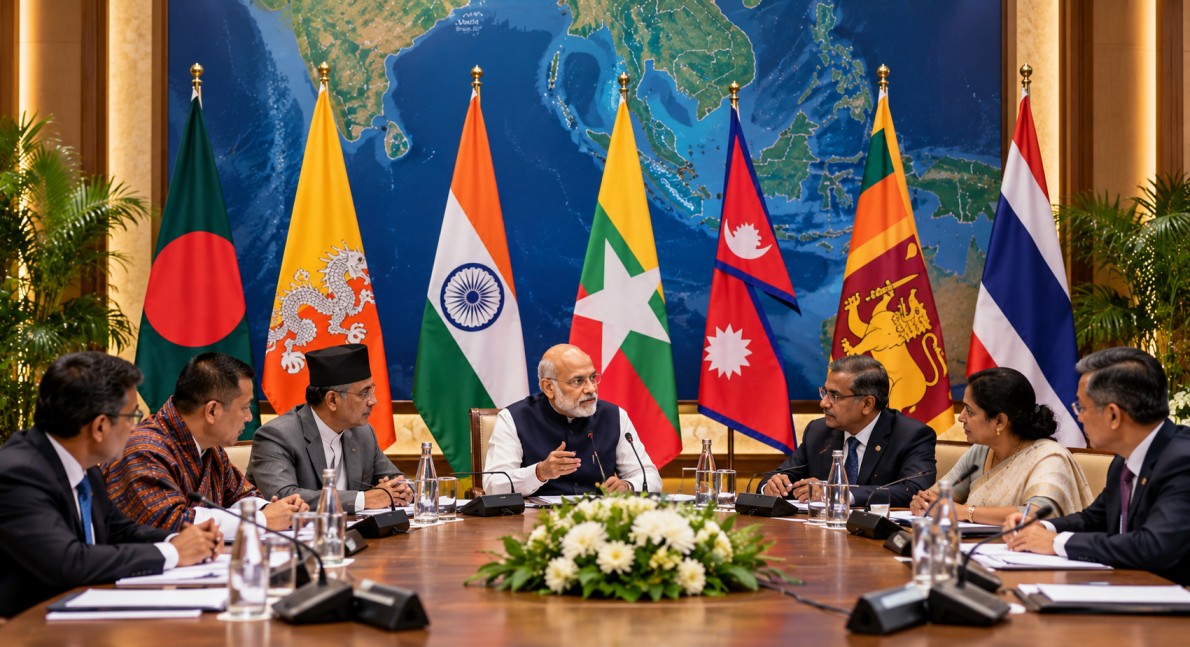
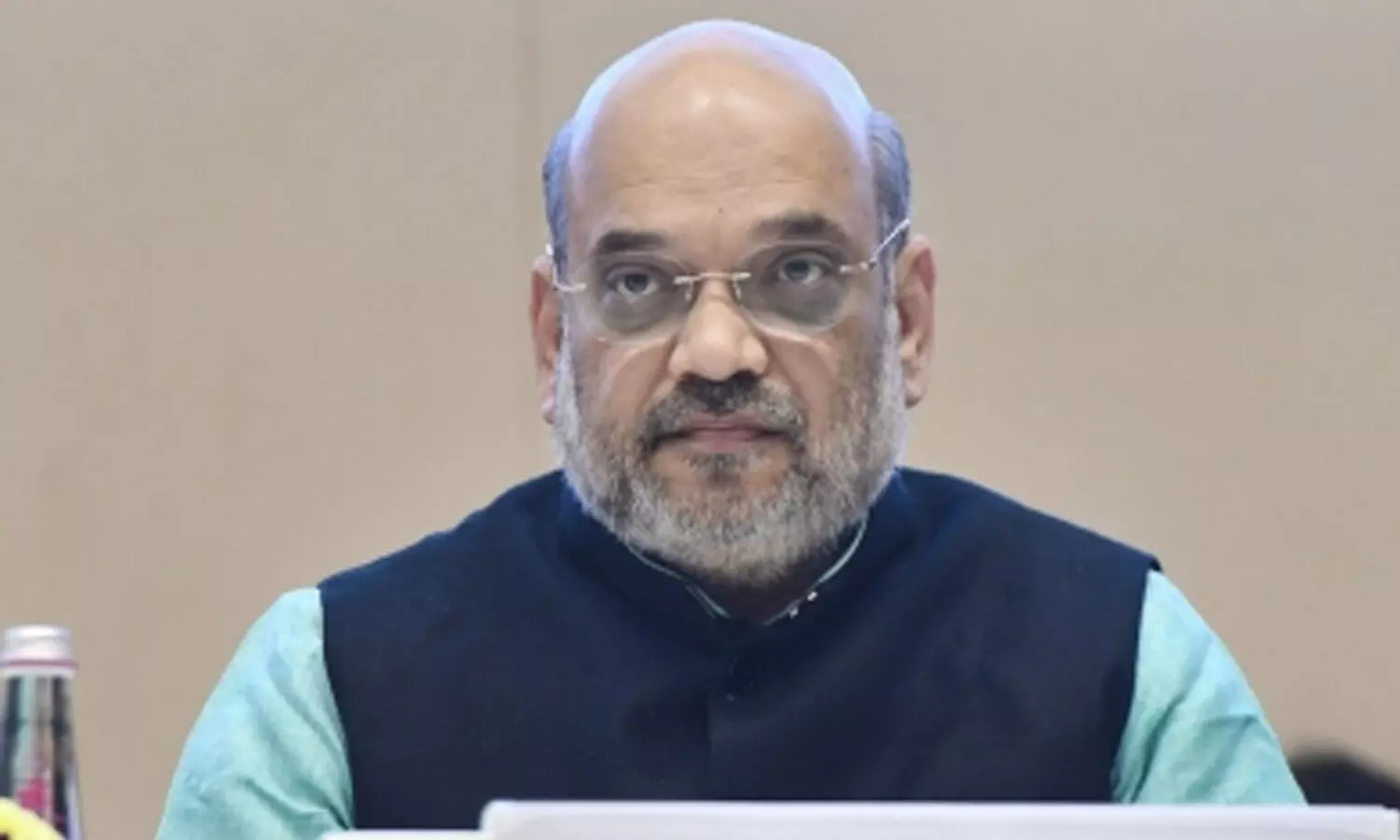
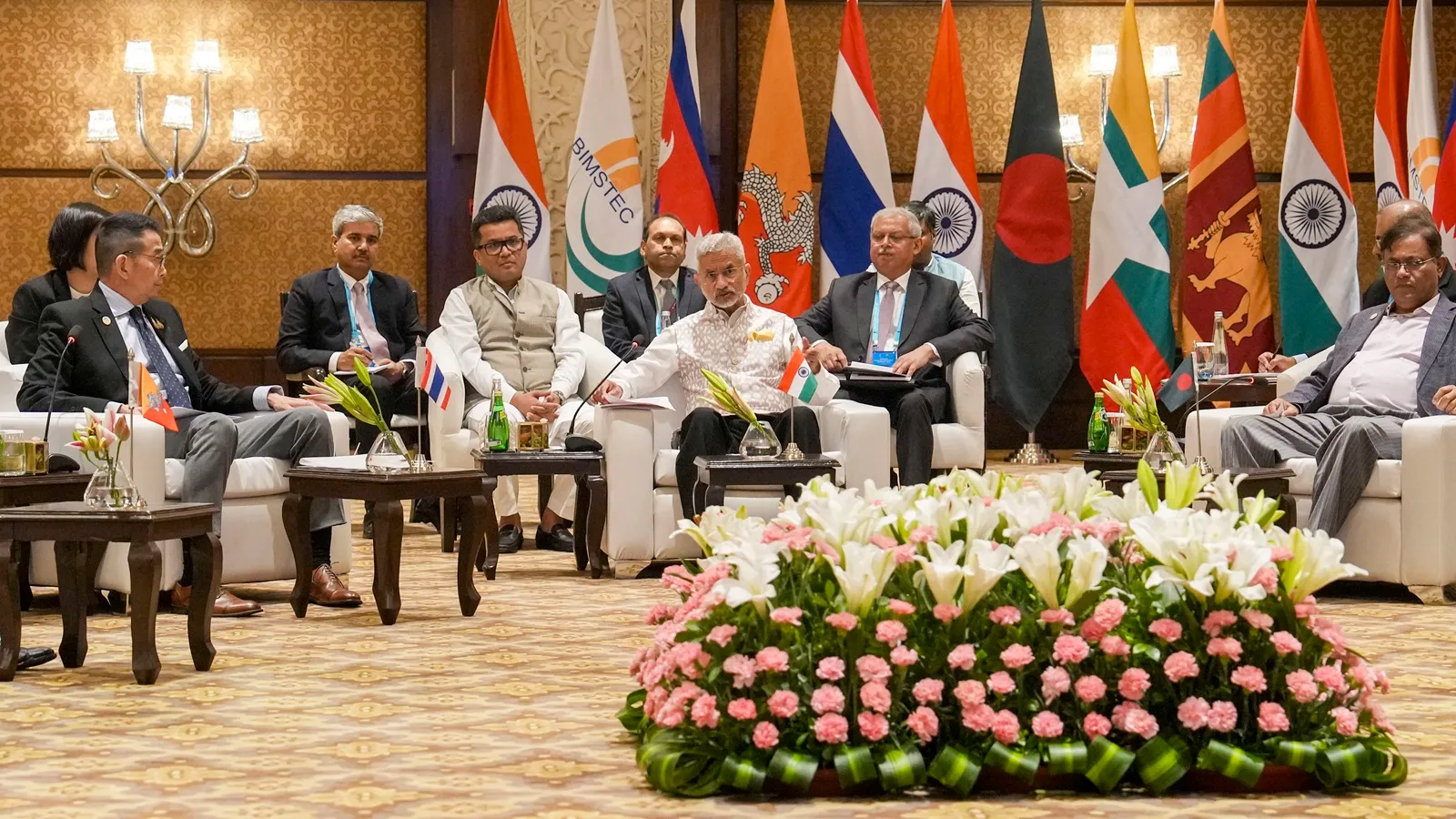
BIMSTEC Home Ministers are meeting in New Delhi on 13 October 2026 for the first Home Ministers’ Meeting of the Bay of Bengal Initiative for Multi-Sectoral Technical and Economic Cooperation (BIMSTEC). Union Home Minister Amit Shah is chairing the meeting, which brings together delegations from all seven member countries. The discussions focus on strengthening regional security and improving cooperation against terrorism, organised crime, drug trafficking, human trafficking, cyber threats and illegal financial activities.
The meeting comes at a time when security threats increasingly cross national borders and require countries to share information and coordinate their responses.

India Hosts the First BIMSTEC Home Ministers’ Meeting
India is hosting the first meeting of BIMSTEC Home Ministers in New Delhi. The main aim is to improve cooperation among member countries on common security concerns and develop stronger links between their law-enforcement agencies.
The seven BIMSTEC members are Bangladesh, Bhutan, India, Myanmar, Nepal, Sri Lanka and Thailand. Bangladesh’s Home Minister, Salahuddin Ahmed, is not attending the meeting. Instead, Bangladesh is represented by a delegation led by Home Affairs Senior Secretary Manzur Morshed Chowdhury.
According to the stated agenda, the participating countries will discuss ways to strengthen regional coordination and respond more effectively to threats that affect several countries at the same time.
Key Security Issues on the Agenda
Terrorism is one of the major concerns being discussed. Countries in the region face the need to prevent terrorist activities, identify networks and share relevant information across borders.
The meeting also covers transnational organised crime. This refers to criminal activities carried out across national borders, including the operations of networks involved in illegal trade and other serious offences.
Drug trafficking and human trafficking are other important concerns. These activities often involve networks operating in multiple countries, making cooperation between law-enforcement agencies essential. Countries can work together through information-sharing, investigations and coordinated action against criminal groups.
The agenda also includes radicalisation, illicit financial flows and cyber threats. Illicit financial flows involve money transferred across borders through unlawful activities or transactions that are concealed or improperly reported. Cyber threats include crimes and attacks involving computer systems, digital networks and online services.
By discussing these issues collectively, BIMSTEC members aim to improve their ability to address shared security challenges.
What Is BIMSTEC?
BIMSTEC stands for the Bay of Bengal Initiative for Multi-Sectoral Technical and Economic Cooperation. It is a regional organisation that promotes cooperation among countries in South Asia and Southeast Asia, particularly around the Bay of Bengal.
The organisation was established on 6 June 1997 under the name BIST-EC, with Bangladesh, India, Sri Lanka and Thailand as its initial members. Myanmar joined later in 1997, while Nepal and Bhutan became members in 2004. The organisation subsequently adopted the name BIMSTEC.
Its seven members connect two important parts of Asia and share interests in trade, transport, energy, public health, agriculture and regional security.
The BIMSTEC Secretariat is located in Dhaka, Bangladesh. The organisation provides a platform for member countries to discuss common priorities and develop cooperation in different sectors.
Why Regional Security Cooperation Matters
Countries around the Bay of Bengal have strong geographical and economic links. Trade routes, maritime activities, transport networks and digital services connect businesses and communities across the region.
These connections also create challenges when criminal networks operate across national boundaries. A cybercrime investigation, for example, may involve victims in one country, criminals in another and financial transactions routed through several jurisdictions.
Similarly, illegal drug and human trafficking networks can use cross-border routes to move people or goods. Individual countries may find it difficult to tackle such networks without cooperation from their neighbours.
Regional meetings can help governments build communication channels, exchange information and identify areas where joint action may be useful. The effectiveness of these efforts depends on continued cooperation, practical arrangements and the implementation of agreed measures.
India’s Role in BIMSTEC
India is one of the seven BIMSTEC members and has an important geographical connection to the Bay of Bengal. The organisation provides India with a platform to work with neighbouring countries in South and Southeast Asia on shared economic and security concerns.
Hosting the first BIMSTEC Home Ministers’ Meeting places regional law-enforcement cooperation at the centre of discussions in New Delhi. The meeting also creates an opportunity for members to address security concerns alongside the organisation’s wider work on connectivity, trade and development.
As digital crime and cross-border criminal networks continue to pose challenges, regular communication between governments and security agencies remains important for the region.
The meeting on 13 October 2026 is focused on strengthening this cooperation and supporting collective efforts to address threats that affect the security of BIMSTEC member countries.