



India 520 GW Power Capacity Crosses Historic Milestone in Clean Energy Transition

India has reached a historic milestone with India 520 GW Power Capacity crossing 520 gigawatts (GW) in total installed electricity capacity. The announcement was made by Shripad Yesso Naik, Union Minister of State for Power and New and Renewable Energy, during the India Energy Transition Summit 2026 in New Delhi, organised by the Federation of Indian Chambers of Commerce and Industry. This achievement shows the rapid transformation taking place in the country’s power sector, with more than half of the installed capacity now coming from non-fossil fuel sources such as solar, wind, hydro and nuclear energy.
Thank you for reading this post, don't forget to subscribe!Strong Push Towards Renewable Energy
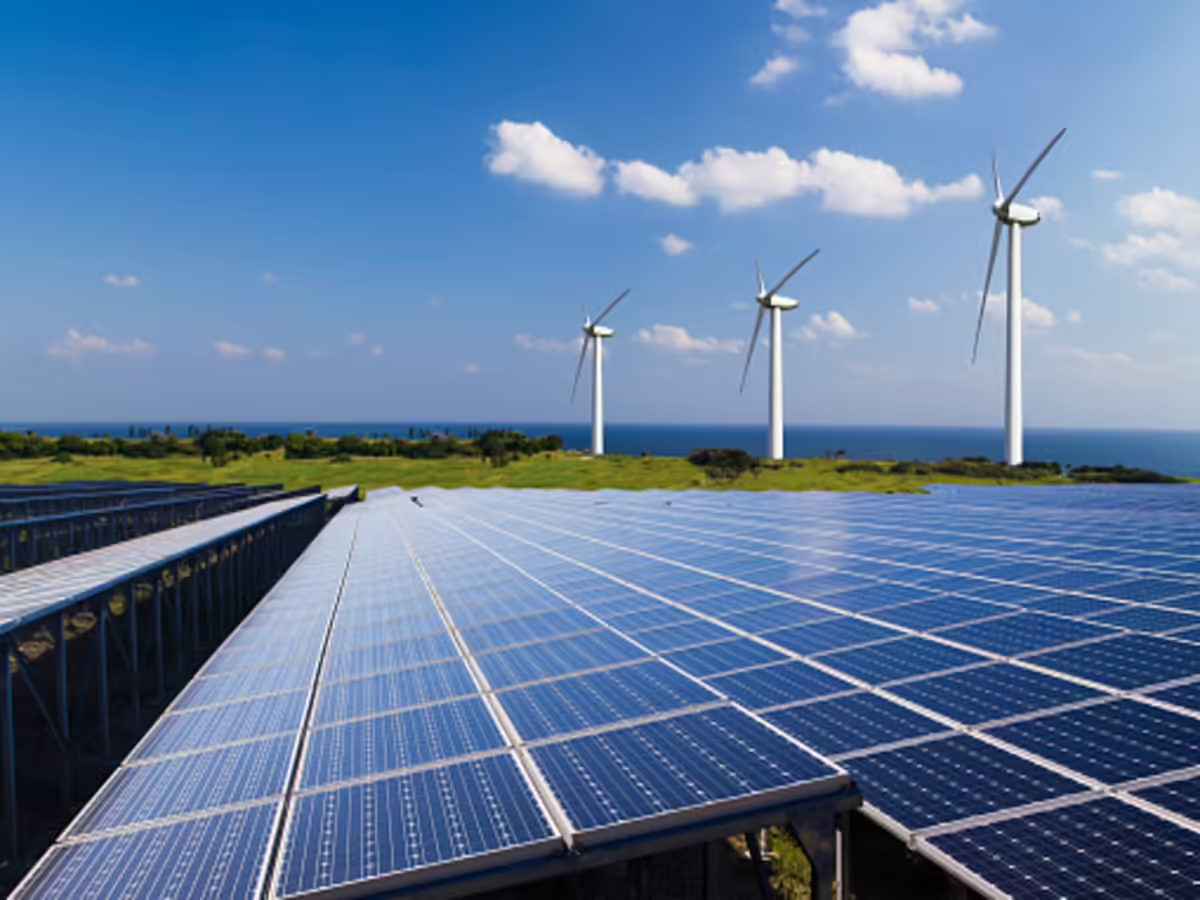
One of the main reasons behind India 520 GW Power Capacity milestone is the fast growth of renewable energy. In recent years, India’s solar energy capacity has more than tripled. Solar power has moved from being an alternative option to becoming a major contributor to the national power mix.
Government initiatives have played a key role in this growth. Competitive bidding systems have helped bring down the cost of renewable energy projects. This has attracted both domestic and international investors to participate in India’s clean energy sector. The expansion of Green Energy Corridors has also made it easier to transmit renewable power from production centres to demand hubs across the country.
Ultra-mega renewable energy parks are being developed in several states. These parks allow large-scale generation of clean energy, improving efficiency and reducing costs. At the same time, rooftop solar systems are being promoted under the PM Surya Ghar Yojana. This scheme encourages households to generate their own electricity and reduce power bills while contributing to the national grid.
More Than Just a Number
The India 520 GW Power Capacity milestone is not just about statistics. It represents a shift in the country’s development model. India is working to balance economic growth with environmental responsibility.
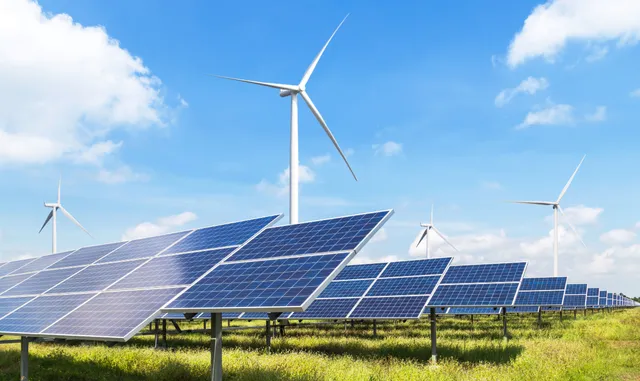
Non-fossil fuel sources now form a majority share of the installed capacity. These sources include solar, wind, hydroelectric and nuclear power. Increasing the share of these sources reduces dependence on coal and other fossil fuels. It also lowers greenhouse gas emissions, which is important in the fight against climate change.
The government has stated that India’s energy transition is already in progress and not just a future plan. Clear policies and steady investment in renewable infrastructure have provided confidence to industry players and investors.
Target of 500 GW Non-Fossil Capacity by 2030
India has set an ambitious goal of achieving 500 GW of non-fossil fuel capacity by 2030. The country has also committed to reaching net zero carbon emissions by 2070. These targets reflect India’s long-term vision for a clean and secure energy system.
The India 520 GW Power Capacity achievement shows that the country is moving steadily towards these goals. Officials have emphasised that energy security and climate responsibility can go hand in hand. Expanding renewable capacity reduces the need to import fossil fuels, which strengthens national energy independence.
India’s climate commitments are aligned with global efforts to limit temperature rise. By investing heavily in renewable energy, the country is contributing to global sustainability while also meeting its growing domestic energy demand.
Economic Growth and Job Creation
The benefits of the India 520 GW Power Capacity milestone go beyond environmental protection. The clean energy transition is expected to create new job opportunities in manufacturing, installation, maintenance and research. Solar panel production, wind turbine manufacturing and battery storage development are growing industries in India.
The renewable energy sector also supports innovation. As India develops advanced grid management systems and energy storage solutions, it strengthens its technological capabilities. This can improve the competitiveness of Indian industries in global markets.
Reducing fossil fuel imports can save foreign exchange and improve the country’s trade balance. At the same time, renewable projects in rural and semi-urban areas bring infrastructure development and economic activity to local communities.
Strengthening Grid and Infrastructure
The expansion of renewable capacity requires strong transmission and distribution systems. Green Energy Corridors are being developed to carry renewable electricity from resource-rich regions to consumption centres. This improves grid stability and ensures reliable power supply.
Distributed generation through rooftop solar installations also adds resilience to the system. When households and businesses generate their own electricity, it reduces pressure on central power plants and transmission networks.
The India 520 GW Power Capacity milestone shows that the country is building not only generation capacity but also modernising its entire power ecosystem. Investments in smart grids, battery storage and digital monitoring systems are part of this transformation.
Ongoing Energy Transformation
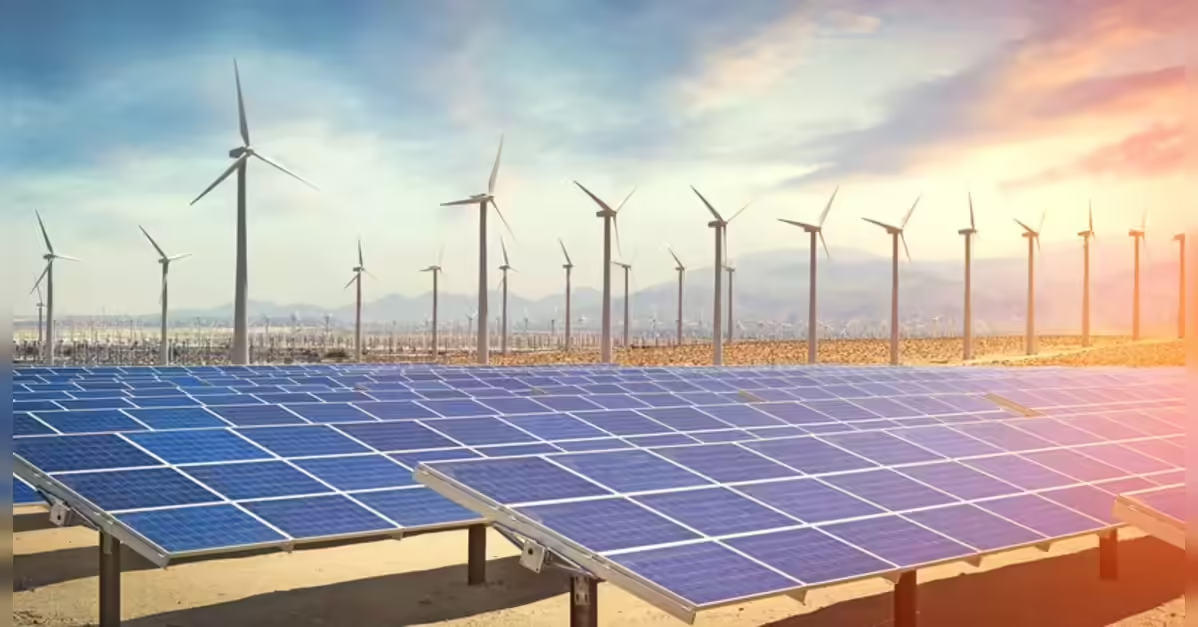
India’s journey towards clean energy is a structured and continuous process. With installed power capacity exceeding 520 GW and renewable sources forming a major share, the country is setting an example for other developing nations.
The leadership has underlined that the energy transition is actively underway. Policy support, financial investment and technological innovation are working together to shape India’s energy future. As demand for electricity continues to grow, especially with urbanisation and industrial expansion, renewable energy will play an even bigger role.
The India 520 GW Power Capacity milestone reflects determination, planning and action. It signals that India is serious about sustainable growth, energy independence and climate responsibility. With clear targets for 2030 and 2070, the country is moving confidently towards a cleaner and stronger energy system.