


Andrey Gyurov Interim Prime Minister Leads Bulgaria to Elections

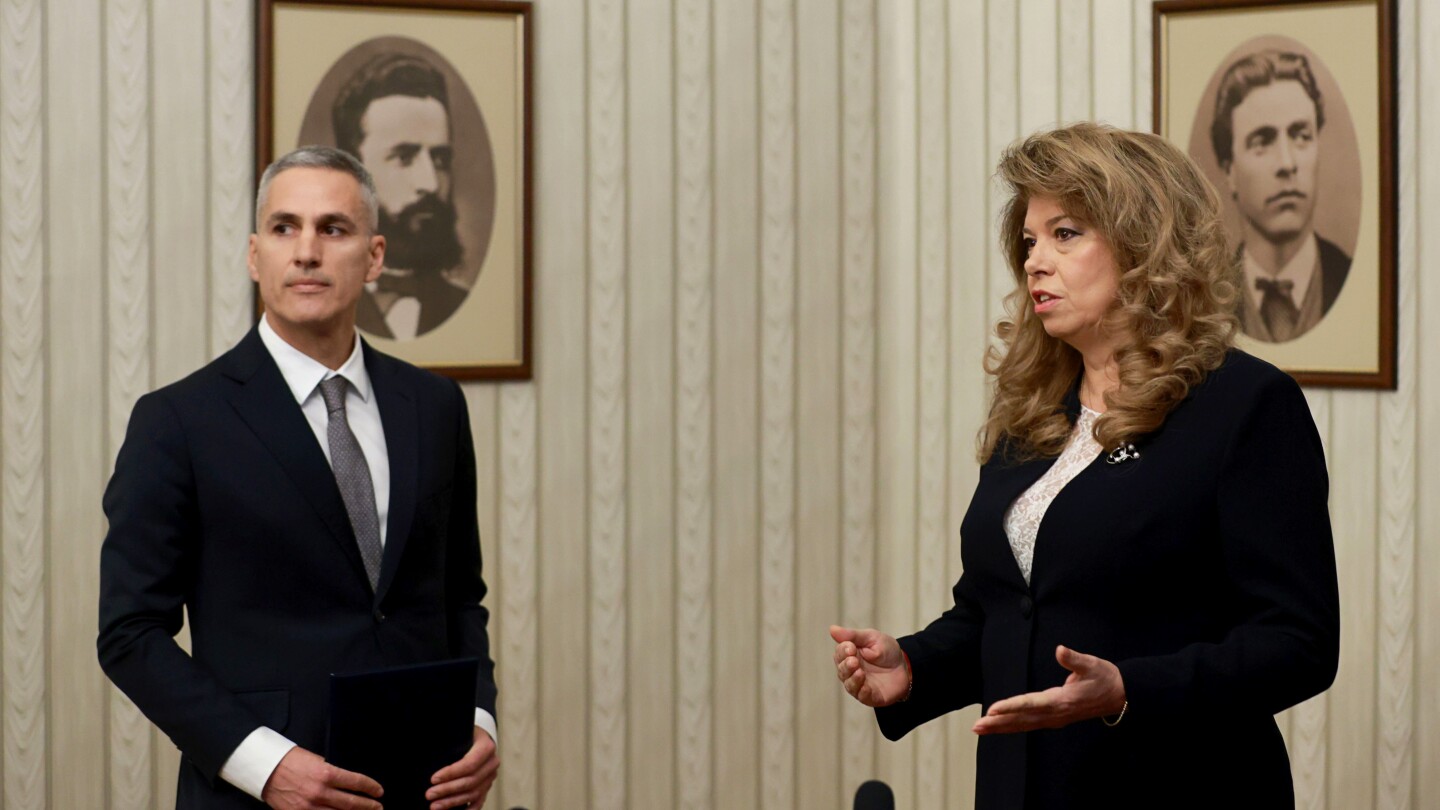
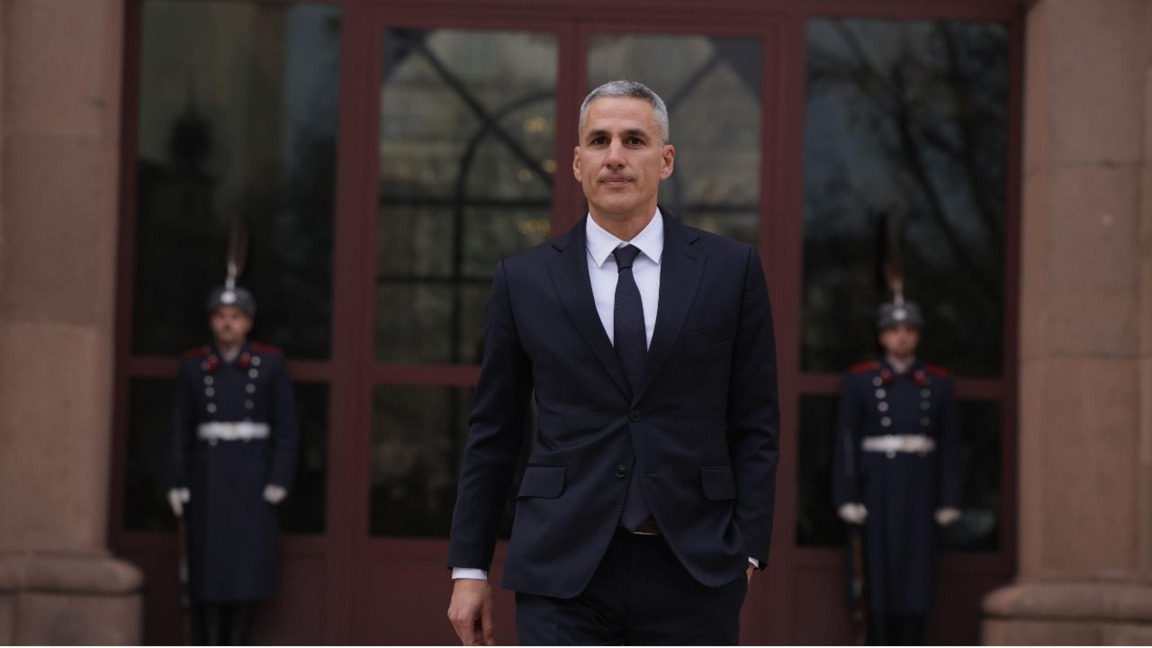
Andrey Gyurov Interim Prime Minister is now leading Bulgaria at a crucial time as the country prepares for national elections scheduled for April 19, 2026. The appointment was made by Bulgarian President Iliana Yotova amid ongoing political instability that has shaken the European nation over the past few years.
Thank you for reading this post, don't forget to subscribe!Bulgaria, a member of the European Union and NATO, has faced repeated political challenges. The country is heading toward its eighth election in just five years, showing how difficult it has been to build a stable government.
Andrey Gyurov Interim Prime Minister Leads Caretaker Government Ahead Of April Elections
President Iliana Yotova appointed Andrey Gyurov as interim Prime Minister with the main responsibility of organizing free and fair elections. The caretaker government will not focus on long-term policies but will instead ensure that the election process runs smoothly and peacefully.
According to official statements, Gyurov will propose his cabinet within seven days. Once the president approves the proposed ministers, the election date will be formally confirmed.
This temporary government comes after several failed attempts by political parties to form a strong and lasting coalition in parliament. Bulgaria’s political system has been highly fragmented, with many parties unable to agree on common goals. As a result, governments have been short-lived, and the public has grown frustrated.
Andrey Gyurov Interim Prime Minister And Political Instability And Public Frustration
Over the last few years, Bulgaria has experienced repeated elections and unstable administrations. Citizens have expressed concern about corruption, slow reforms, and lack of transparency in governance. Public trust in political institutions has declined steadily.
In late 2025, large street protests broke out across the country. Demonstrators demanded justice, anti-corruption measures, and an end to oligarchic influence in politics. These protests eventually led to the resignation of the coalition government led by the centre-right GERB party.
After the government stepped down, political leaders tried to build a new coalition. However, deep divisions among parties made it impossible to form a stable administration. This situation pushed the president to appoint a caretaker government to guide the country toward new elections.
Who Is Andrey Gyurov?
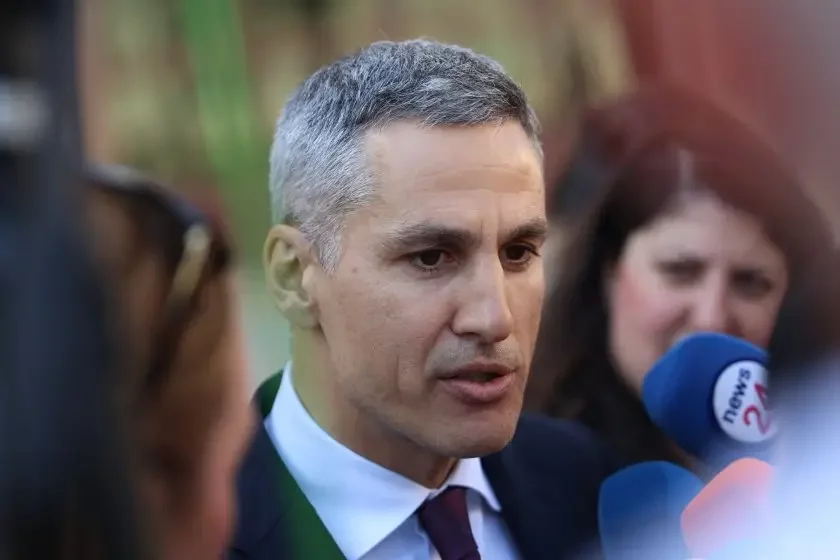
Andrey Gyurov is 50 years old and currently serves as deputy governor of the Bulgarian National Bank. His professional background is mainly in economics, finance, and academia.
Gyurov completed his bachelor’s degree in economics at Truman State University in the United States. He later earned a Ph.D. from the University of Vienna in Austria. His international education and experience have given him a strong understanding of global financial systems.
Before joining the central bank in 2023, Gyurov was active in politics. He served as a lawmaker and parliamentary floor leader for the reformist party “We Continue the Change.” The party has focused on transparency, economic reform, and reducing corruption.
Many analysts believe that Gyurov’s experience in finance could help calm markets and reassure investors during this uncertain period. His background suggests a focus on economic stability rather than political conflict.
Andrey Gyurov Interim Prime Minister And Bulgaria And The Euro Zone
One of the most important recent developments in Bulgaria is its adoption of the euro currency in 2026. Joining the euro zone marked a major milestone for the country’s economic integration into Europe.
Becoming part of the euro zone means Bulgaria now shares the same currency as many other European countries. This step aims to strengthen trade, investment, and economic cooperation. However, it also requires strict financial discipline and stable governance.
Appointing a central bank official like Gyurov signals that economic stability is a top priority. Investors and international partners are closely watching how Bulgaria manages this transition while dealing with political uncertainty.
A Fragmented Political Landscape
Bulgaria’s political system includes many parties, and no single party has been able to secure a strong majority in recent elections. The parliamentary threshold in Bulgaria is 4% of the national vote. This allows smaller parties to enter parliament, which increases diversity but can also make coalition-building more difficult.
Repeated snap elections have shown that voters are divided. Some support reformist parties, while others back traditional political forces. This division has made it challenging to create long-term stability.
The upcoming April 19 election will once again test whether political parties can work together. If no clear majority emerges, Bulgaria may continue to face uncertainty.
Andrey Gyurov Interim Prime Minister Faces Street Protests And Calls For Reform
The nationwide protests in late 2025 reflected deep public frustration. Thousands of people took to the streets in major cities, demanding cleaner politics and stronger institutions. Young voters, civil society groups, and activists played a key role in organizing demonstrations.
The protests highlighted issues such as corruption allegations, lack of judicial reforms, and economic inequality. Many citizens feel that political leaders have not addressed their concerns effectively.
These social tensions have influenced the current political climate. The caretaker government must now ensure that the upcoming election is transparent and trusted by the public.
International Attention On Bulgaria
As a member of the European Union and NATO, Bulgaria plays an important role in regional security and European cooperation. Political instability in any EU member state can affect broader European policies, especially during times of global economic challenges.
The international community is watching Bulgaria’s transition carefully. Stability in the Balkans is important for both economic growth and security cooperation.
Gyurov’s appointment is seen by some observers as a practical move. His technical background may reduce political tensions and help focus on administrative tasks until a new government is elected.
What Lies Ahead
The coming weeks will be critical for Bulgaria. The caretaker government must prepare election logistics, maintain economic confidence, and manage public expectations.
Political parties are already preparing their campaigns. Debates on economic reforms, anti-corruption measures, and social policies are likely to dominate discussions. The euro transition, inflation concerns, and public trust in institutions are also expected to be key issues.
Citizens hope that the upcoming election will bring more stability and clearer leadership. Whether Bulgaria can move beyond repeated elections and fragile coalitions remains uncertain, but the appointment of Andrey Gyurov marks an important step in the country’s current political journey.