


Indian Air Force Trains RAF Pilots: A New Chapter in India-UK Defence Cooperation

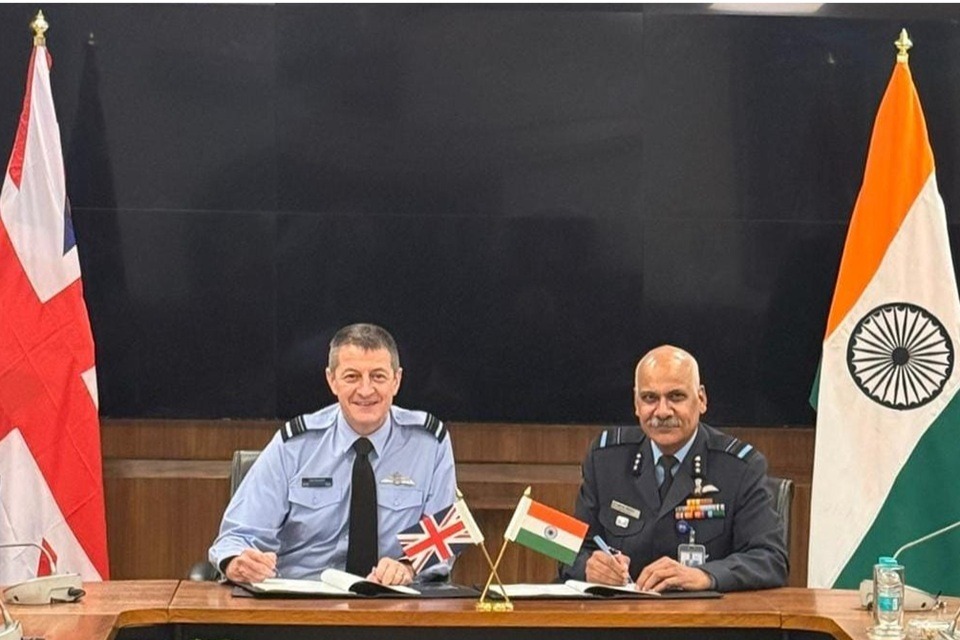
Indian Air Force Trains RAF Pilots marks a historic step in the evolving defence relationship between India and the United Kingdom. For the first time, instructors from the Indian Air Force will directly train British fast jet pilots, highlighting a deep level of trust, professionalism, and operational understanding between the two nations. This major development was announced after the 19th UK-India Air Staff Talks held in New Delhi, setting the tone for closer military cooperation in the years ahead.
Thank you for reading this post, don't forget to subscribe!A Historic Training Agreement Takes Shape
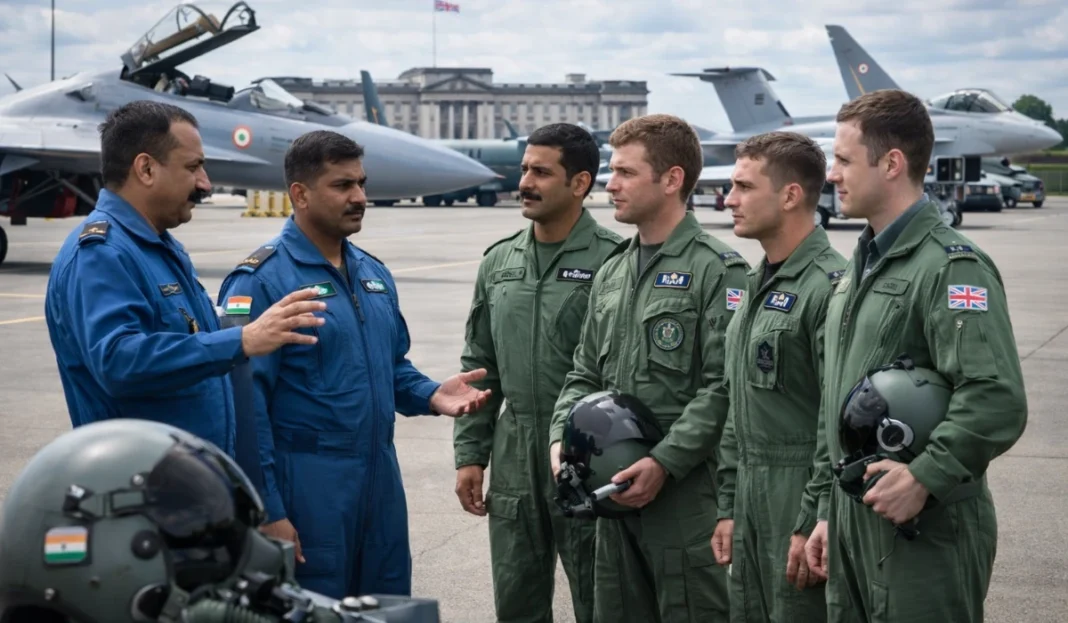
Under the new agreement, three Qualified Flying Instructors from the Indian Air Force will be deployed to RAF Valley, the United Kingdom’s main training centre for fast jet pilots. The instructors are expected to serve for an initial period of two years. During this time, they will play a direct role in shaping the skills and operational mindset of pilots from the Royal Air Force.
This is the first time that Indian Air Force instructors will conduct fast jet training for RAF pilots on British soil. The move reflects the growing confidence both air forces have in each other’s training standards, safety practices, and flying philosophy.
Why RAF Valley Matters
RAF Valley is widely known as the heart of fast jet training in the United Kingdom. It prepares pilots for advanced fighter aircraft and demanding operational roles. By placing Indian instructors at this key base, the UK is acknowledging the Indian Air Force’s strong reputation in pilot training, discipline, and operational experience.
Indian instructors bring with them years of experience gained from flying and training in diverse conditions, from high-altitude airfields to complex joint exercises. This exposure is expected to add fresh perspectives to RAF training methods while encouraging the exchange of best practices between the two forces.
Building on Earlier Milestones
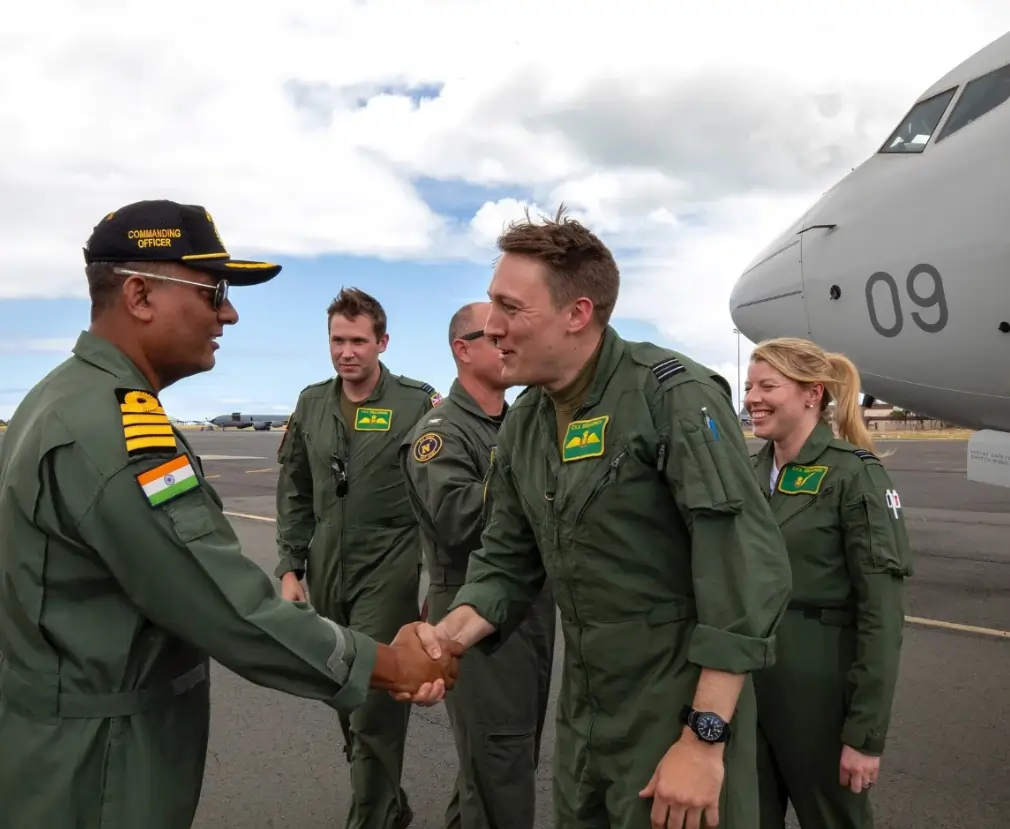
The decision to post Indian instructors at RAF Valley did not happen overnight. It builds on earlier steps taken by both countries to deepen military education ties. In January 2026, an Indian Air Force officer was deployed as an instructor at the Royal Air Force College Cranwell, the institution responsible for training future RAF officers.
That posting was seen as a strong signal of trust and set the stage for further cooperation. The latest development takes this partnership to a higher operational level, moving from officer education to hands-on fast jet training.
Indian Presence Across UK Military Academies
With the new deployment at RAF Valley, Indian officers are now serving as instructors across all three major British military academies. An Indian Navy officer has been teaching at the Britannia Royal Naval College Dartmouth since May 2024. Similarly, an Indian Army officer has been posted at the Royal Military Academy Sandhurst since May 2025.
This widespread presence highlights how defence cooperation between India and the UK has expanded beyond joint exercises into long-term professional exchanges. It also shows the respect Indian officers command within the British armed forces.
Expanding Defence Engagement Between Two Partners
India and the UK have steadily increased their defence engagement over the past few years. In 2025, both nations carried out their largest-ever maritime exercise together, involving Carrier Strike Groups. This exercise demonstrated high levels of coordination between naval forces and sent a strong message about shared security interests.
On land, the two armies have continued their cooperation through joint drills such as the Ajeya Warrior exercise held in Rajasthan. These activities help both sides understand each other’s tactics, equipment, and operational culture.
Growing Air Force Collaboration
Air force cooperation has also seen notable progress. The Indian Air Force took part in the UK-hosted multilateral air exercise Cobra Warrior in 2023 for the first time. This participation allowed Indian pilots to operate alongside some of the world’s most advanced air forces in complex air combat scenarios.
In return, the Royal Air Force joined India’s multilateral air combat exercise Tarang Shakti in 2024. These exchanges have helped both air forces improve interoperability and gain exposure to different operational environments.
Strategic Importance of Air Staff Talks
The UK-India Air Staff Talks play a central role in shaping such agreements. These annual meetings are attended by senior officers from both sides and focus on reviewing ongoing cooperation, training exchanges, and future plans. The decision to allow Indian instructors to train RAF pilots is one of the most significant outcomes of these talks so far.
It signals a move towards deeper integration, where both air forces are comfortable sharing core training responsibilities. This level of cooperation is usually reserved for the closest military partners.
What This Means for the Future
The move where Indian Air Force Trains RAF Pilots is more than just a training arrangement. It represents a long-term investment in mutual trust and shared capabilities. For India, it is recognition of the Indian Air Force’s high professional standards. For the UK, it brings valuable international experience into its pilot training system.
As global security challenges grow more complex, such partnerships become increasingly important. By learning from each other and training together, India and the UK are strengthening not only their own air forces but also their ability to operate together when required.
This new chapter in defence cooperation shows how two strategic partners are moving beyond traditional ties to build a modern, forward-looking military relationship based on respect, skill, and shared goals.