


Abelardo de la Espriella Colombia President 2026

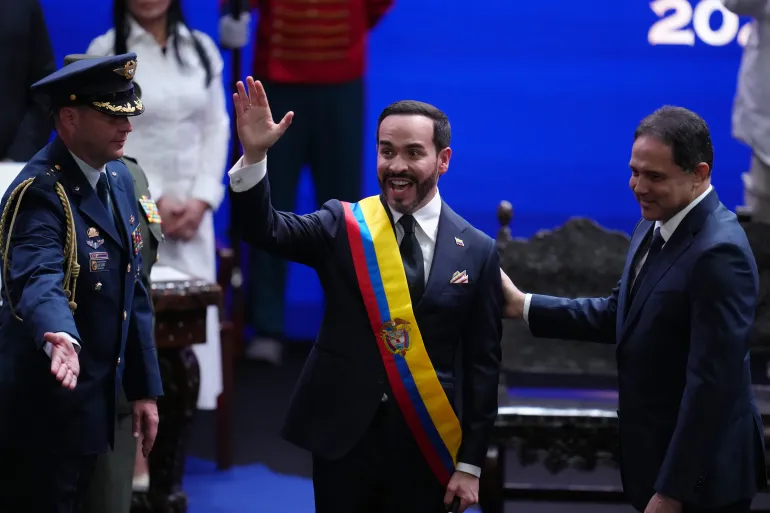
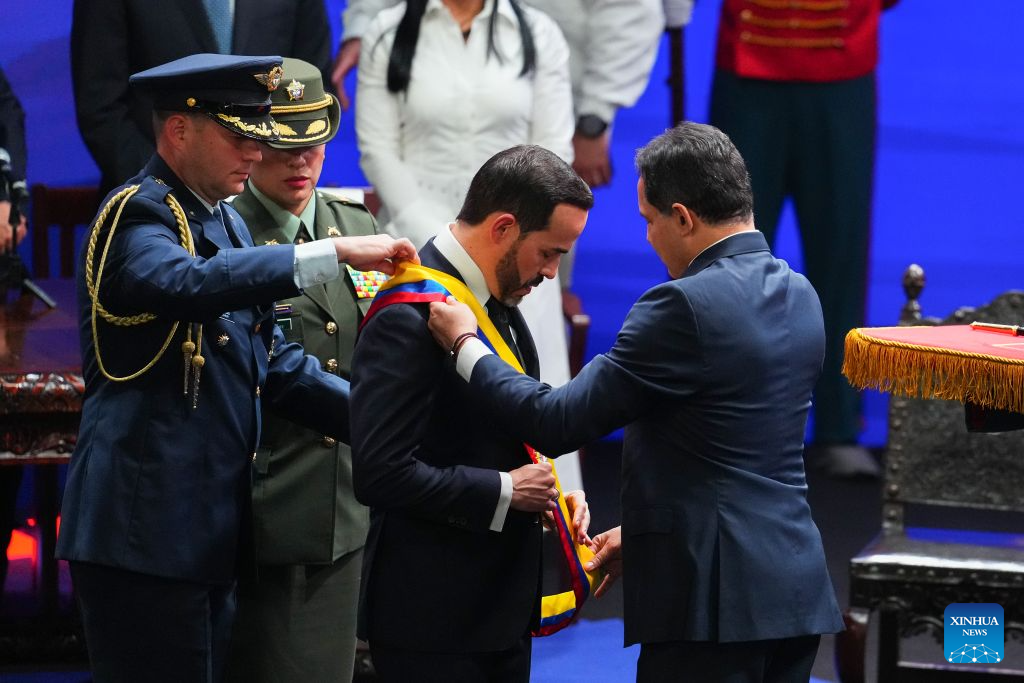
Abelardo de la Espriella Colombia President marks a major political moment in Latin America. On 7 August 2026, Abelardo de la Espriella officially took oath as the 36th President of Colombia for the 2026–2030 term. His leadership begins at a time when the country is facing important decisions related to security, economy, and governance. This change also reflects a shift in political direction after the previous administration.
Thank you for reading this post, don't forget to subscribe!A New Leadership Phase in Abelardo de la Espriella Colombia President
The swearing-in ceremony of Abelardo de la Espriella signals the start of a new chapter for Colombia. He succeeded Gustavo Petro, who made history as the country’s first left-wing president. With the new leadership, many people are expecting changes in policies and priorities. The political atmosphere in Colombia is now focused on how the new government will shape the future.
Understanding the Role of the Abelardo de la Espriella Colombia President
Colombia follows a presidential system where the President acts as both the head of state and the head of government. The position comes with strong powers and responsibilities, including decision-making on national policies, security, and international relations. The President is elected directly by the people and serves a term of four years.
Close and Competitive Election Abelardo de la Espriella Colombia President
The 2026 presidential election was highly competitive. Abelardo de la Espriella won the runoff election held on 21 June 2026. He secured a narrow victory with just under half of the total votes. His opponent, Iván Cepeda, also received strong support, making the election closely contested. This close result shows that public opinion in Colombia is divided on key issues.
Runoff Voting System in Action
Colombia uses a runoff system when no candidate receives a clear majority in the first round. This ensures that the final winner has broad support. The second round often becomes more intense, with candidates focusing on key national concerns to gain voter trust.
Unique Inauguration Ceremony Location
Unlike traditional ceremonies held in the capital city Bogotá, the inauguration took place in Cali at the USC Arena of Santiago de Cali University. This choice of location was seen as symbolic, possibly reflecting a connection to different regions of the country. The oath was administered by Senate President Honorio Henríquez.
Vice President Sworn In
During the ceremony, Abelardo de la Espriella also administered the oath to Vice President José Manuel Restrepo. Together, they will lead the government over the next four years, working on national and international issues.
Strong Stand on Security Issues
One of the key highlights of the new President’s speech was his strong position on security. He announced a strict approach against drug trafficking, which has long been a major challenge in Colombia. His statements suggest that the government will focus heavily on law enforcement and national security.
End of Peace Talks Approach
The new leadership indicated that ongoing peace talks with certain armed groups have reached their limits. This marks a shift from earlier approaches that focused more on dialogue and negotiation. The change in strategy could have a major impact on the country’s internal situation.
Plans to Reduce Government Size
Another important announcement was the plan to reduce the size of the state by up to 40 percent. This move is aimed at improving efficiency and reducing costs. However, such a decision may also lead to debates about public services and employment.
Global Attention on the Inauguration
The inauguration ceremony attracted attention from leaders around the world. Notable international figures attended the event, showing Colombia’s importance on the global stage. Their presence highlights the country’s role in regional and international affairs.
Notable Absences and Political Signals
Interestingly, some former leaders were not present at the ceremony. This has raised questions and discussions about political differences and changing alliances within the country. Such moments often reflect deeper shifts in political relationships.
Support from the United States
Soon after the inauguration, the United States announced a major support package for Colombia. The assistance focuses on security and is expected to strengthen cooperation between the two countries. This move also highlights the importance of Colombia in regional stability.
Focus on Everyday Citizens
One unique aspect of the ceremony was the invitation of a common citizen as a guest of honour. A 74-year-old farmer and street vendor was specially invited, symbolizing the connection between leadership and ordinary people. This gesture was widely discussed and appreciated.
Economic and Social Challenges Ahead
Colombia faces several challenges, including economic growth, employment, and social development. The new government will need to address these issues while maintaining stability. Decisions made in the coming months will play a key role in shaping the country’s future.
Latin America’s Changing Political Landscape
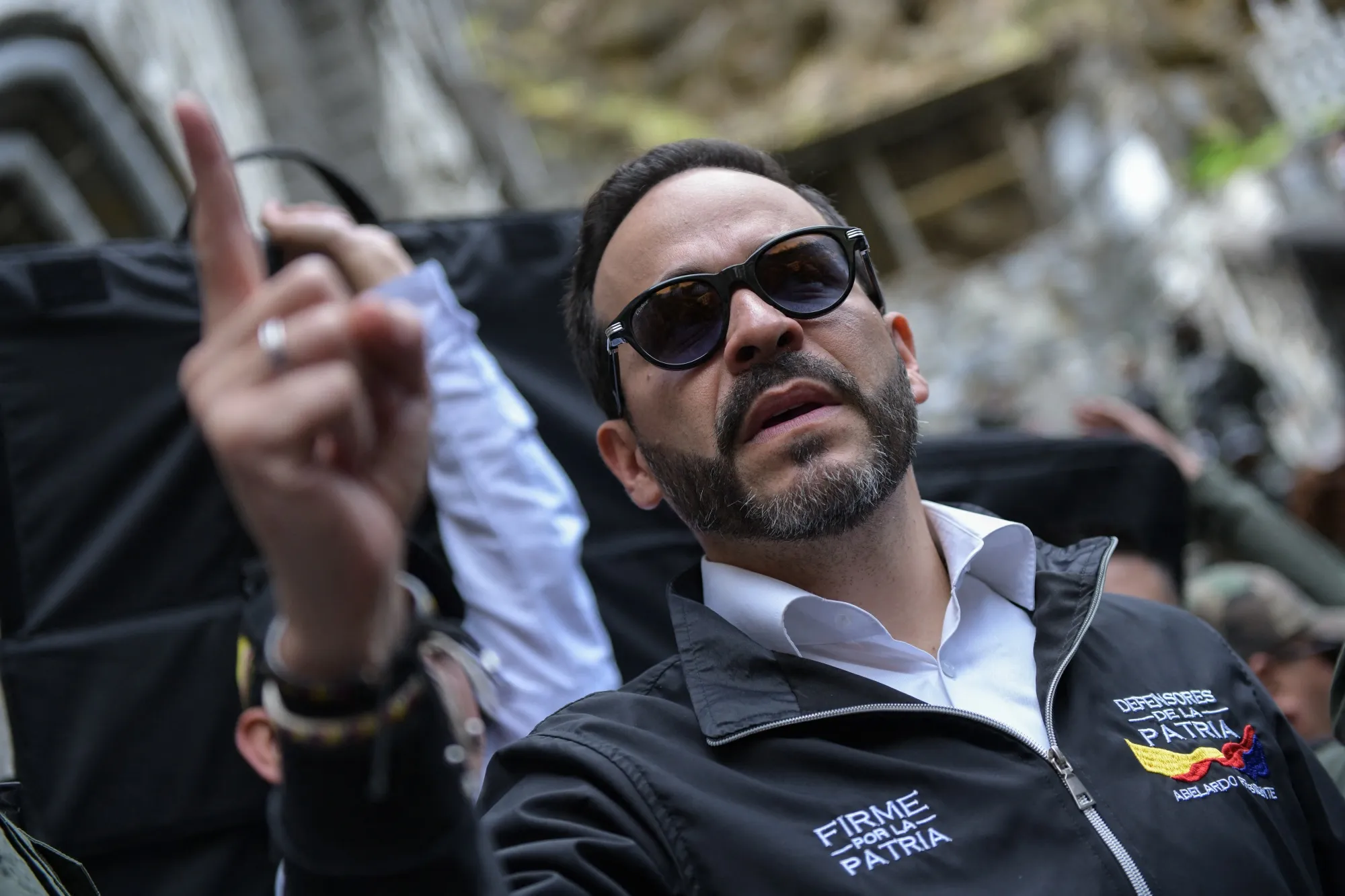
The leadership change in Colombia is part of a larger trend in Latin America. Many countries in the region are experiencing political shifts, with new leaders bringing different ideas and policies. These changes are influencing regional cooperation and global relations.
Public Expectations and Future Direction
People across Colombia are watching closely to see how the new President will deliver on his promises. Public expectations are high, especially in areas like safety, economy, and governance. The coming years will be important in defining his leadership and impact.