


ASEAN-India Agriculture Meeting

ASEAN-India Agriculture cooperation received fresh attention as the 9th ASEAN–India Ministerial Meeting on Agriculture and Forestry (AIMMAF) was held in New Delhi on 9 September 2026. The meeting focused on food security, modern farming technology, climate-friendly agriculture, forestry and stronger cooperation between India and Southeast Asian countries.
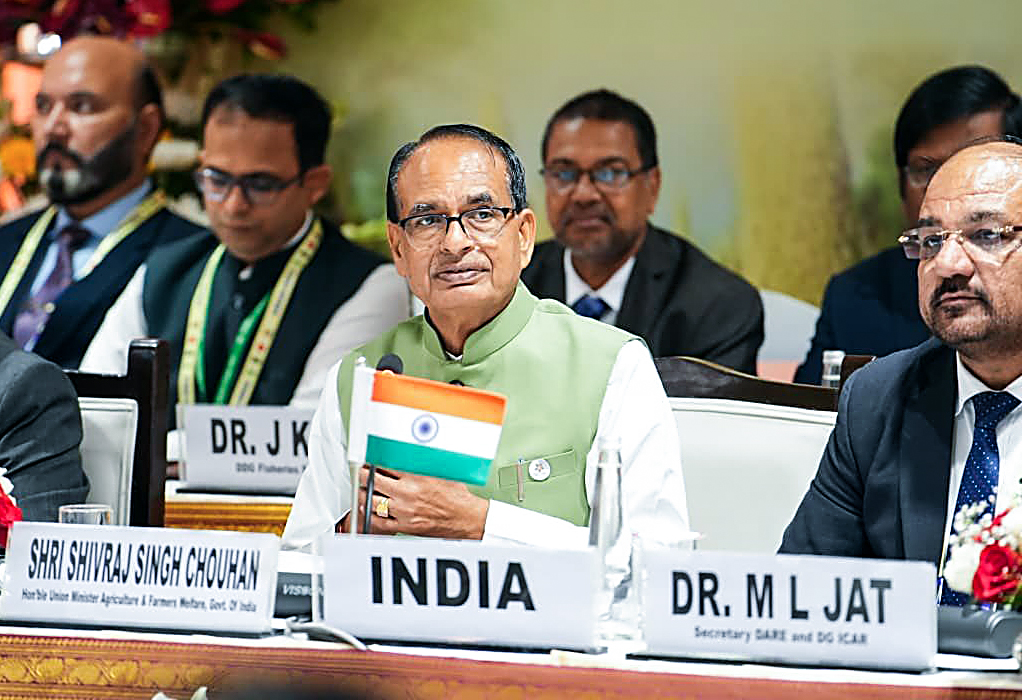
The meeting was co-chaired by Francisco P. Tiu Laurel, Secretary of the Department of Agriculture of the Philippines, and Shivraj Singh Chouhan, Union Minister for Agriculture and Farmers’ Welfare of India. The discussions covered both immediate agricultural challenges and long-term plans for building stronger and more sustainable food systems.

ASEAN-India Agriculture Cooperation
ASEAN-India Agriculture cooperation takes place through a ministerial platform that brings India together with the Association of Southeast Asian Nations (ASEAN) on agriculture and forestry-related issues.
The platform provides an opportunity for countries to share knowledge, technology and policies related to farming and food production. It also supports discussions on challenges such as climate change, food security, soil health, water use and sustainable agricultural practices.
The latest meeting came after the 10th ASEAN–India Working Group on Agriculture and Forestry completed its technical recommendations on 8 September, one day before the ministerial meeting.
These recommendations helped provide a technical base for the discussions between ministers.
Focus on Food Security
Food security was one of the major areas discussed during the meeting. Changes in climate, extreme weather, water shortages and pressure on agricultural land have increased the need for more resilient food production systems.
India and ASEAN countries are important agricultural producers and consumers. Cooperation between them can help improve farming practices, strengthen food supply chains and support farmers.
The ministers endorsed the strategic framework ASEAN 2045: Our Shared Future, along with the ASEAN Food, Agriculture and Forestry Sectoral Plan 2026–2030.
Both frameworks include measures related to resilient development, food security and environmental protection.
Medium-Term Plan for 2026–2030
The meeting also discussed the ASEAN–India Medium-Term Plan of Action for Cooperation in Agriculture and Forestry 2026–2030.
The plan aims to strengthen cooperation over the next five years through several areas. These include joint research and development, digital technology exchange, policy discussions and farmer-to-farmer programmes.
Such cooperation can allow farmers and agricultural institutions in different countries to share practical knowledge and learn from successful farming methods.
Research partnerships can also help develop solutions for problems related to crop productivity, changing weather conditions, soil degradation and efficient use of natural resources.
Artificial Intelligence in Agriculture
Technology was an important part of the ASEAN-India Agriculture discussions. The countries looked at AI-enabled digital agriculture as one of the areas where cooperation could support farmers and agricultural systems.
Artificial intelligence can be used in agriculture for tasks such as monitoring crops, identifying plant diseases, analysing weather information and improving the use of water and fertilisers.
Digital tools can also help farmers access information and make better decisions about planting, harvesting and markets.
For developing agricultural economies, technology can become an important tool for improving productivity while reducing unnecessary use of resources.
Climate-Friendly Rice Farming
Another major area discussed was low-emission rice cultivation.
Rice production is an important part of agriculture across many Asian countries. At the same time, paddy cultivation can produce methane, a greenhouse gas that contributes to climate change.
Low-emission farming methods aim to reduce these emissions while maintaining crop production. Cooperation between India and ASEAN countries could help exchange knowledge about water management, rice cultivation techniques and other climate-friendly practices.
The discussions also covered water productivity and soil health, which are increasingly important as farmers face changing rainfall patterns and pressure on natural resources.
Circular Bioeconomy and Stronger Value Chains
The meeting also discussed the circular bioeconomy, which focuses on making better use of biological resources and reducing waste.
Agricultural waste can potentially be used to create useful products, energy and other resources instead of simply being discarded. This approach can support both farmers and the environment.
The countries also discussed resilient value chains. Strong agricultural value chains are important because food often passes through several stages, including production, storage, transportation, processing and retail.
Improving these systems can help reduce losses and make agricultural markets more reliable.
ASEAN-India Trade Reaches $128 Billion
The wider economic relationship between India and ASEAN was also highlighted during the meeting.
ASEAN Secretary-General Kao Kim Hourn said in pre-recorded remarks that trade in goods between ASEAN and India reached US$128 billion during the 2025–26 fiscal year.
Agriculture and food products form part of this broader economic relationship. Better cooperation in agriculture could help improve market access and strengthen trade in agricultural commodities.
Agricultural trade is particularly important for products such as pulses and other food commodities that are widely consumed across the region.
Bilateral Talks With Malaysia and Other Countries
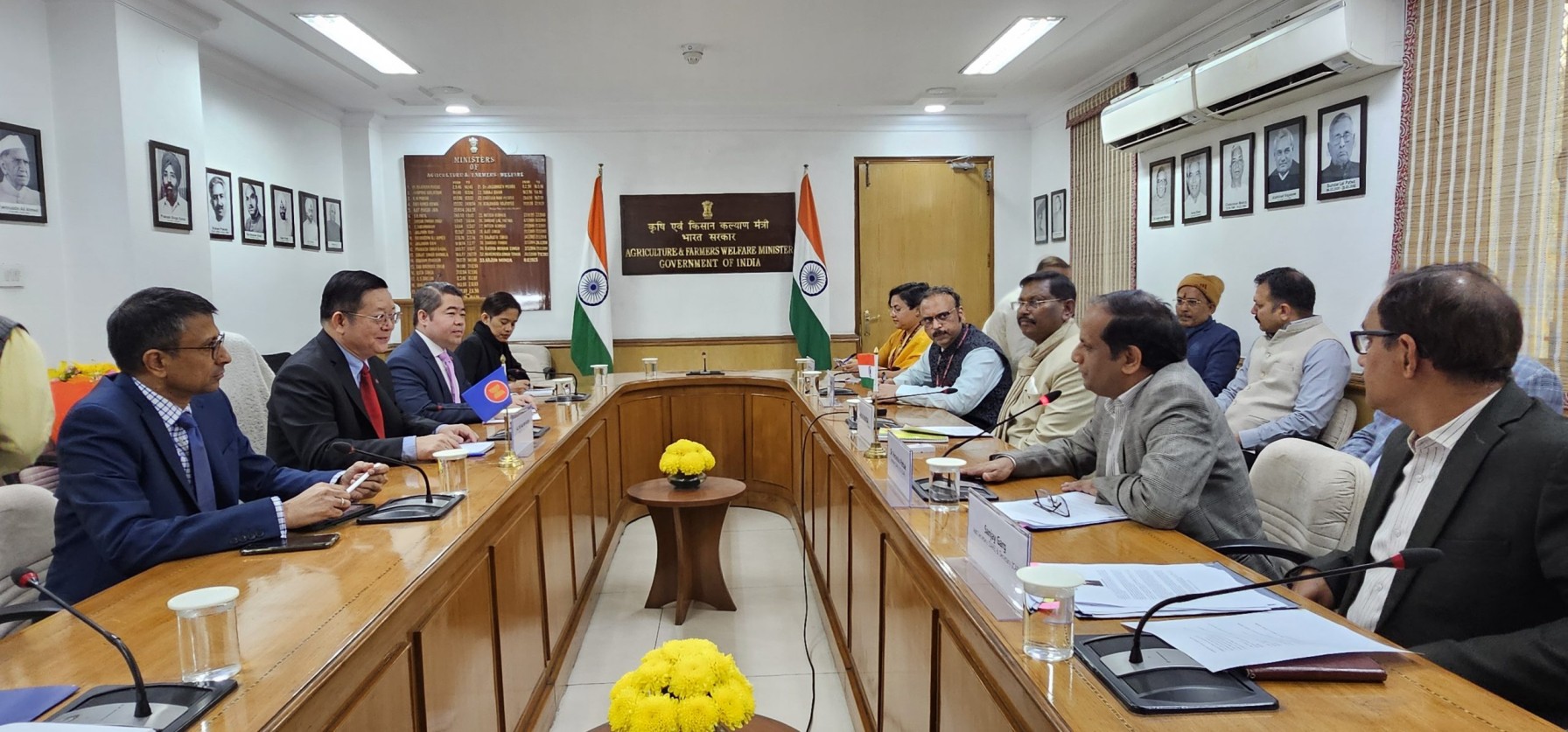
Alongside the ministerial meeting, Shivraj Singh Chouhan held bilateral discussions with agriculture ministers from Malaysia, Timor-Leste and Myanmar.
The talks covered areas including market access, institutional capacity building and trade in agricultural commodities such as pulses.
Malaysian Agriculture and Food Security Minister Datuk Seri Mohamad Sabu also participated in an interaction session focusing on technology transfer, knowledge sharing and integration of agricultural value chains.
These bilateral discussions added another layer to the broader ASEAN-India Agriculture cooperation agenda.
ASEAN 2045 and Future Agricultural Cooperation
The endorsement of ASEAN 2045: Our Shared Future provides a longer-term direction for ASEAN cooperation. The framework looks at resilient development and stronger regional cooperation across different sectors.
The ASEAN Food, Agriculture and Forestry Sectoral Plan 2026–2030 provides a more specific focus on food systems, agriculture and forestry.
For India, participation in these frameworks creates opportunities to work more closely with Southeast Asian countries on food production, agricultural technology, climate resilience, trade and sustainable use of natural resources.
The latest ministerial meeting has therefore placed agriculture and food systems at the centre of the continuing ASEAN-India partnership.