


Helina Missile Indigenisation

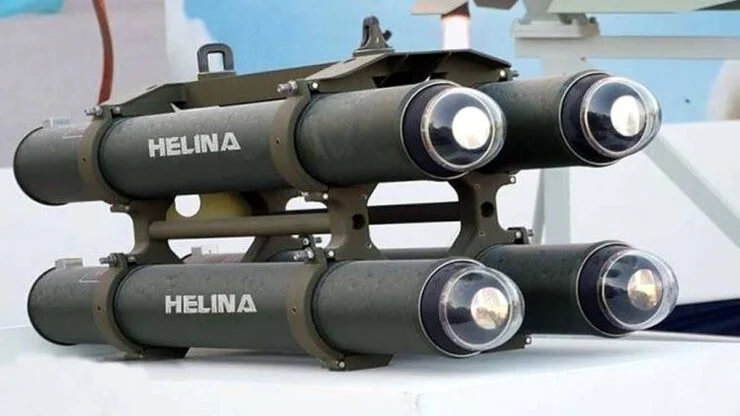
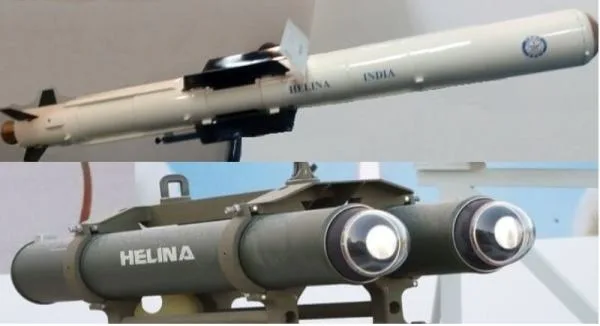
Helina Missile is becoming an important part of India’s defence system as the country continues to focus on building its own advanced military technology. Developed by the Defence Research and Development Organisation, this missile is designed to target enemy tanks and armoured vehicles with high precision. It is specially made for helicopters, making it a key weapon for aerial combat operations.
Thank you for reading this post, don't forget to subscribe!This development reflects India’s growing push toward self-reliance in defence and reduced dependence on foreign systems.
Advanced Features of Helina Missile
The Helina Missile is a third-generation anti-tank guided missile with modern targeting technology. It uses an Imaging Infrared seeker that helps it lock onto targets even in difficult conditions such as darkness or bad weather.
One of its main features is the “fire-and-forget” system. This means once the missile is launched, it does not need further guidance from the operator. This improves safety and allows pilots to move quickly after launching.
The missile can hit targets at distances ranging from 500 meters to 7 kilometres, making it suitable for both short and long-range operations.
Dual Attack Capability
Helina Missile is designed with two types of attack modes. The first is the direct hit mode, where the missile strikes the target straight on. The second is the top attack mode, which targets the weaker upper part of armoured vehicles.
This flexibility makes the missile more effective against modern tanks, which are heavily protected from the front but weaker on the top side.
Such advanced capabilities place Helina among modern anti-tank systems used globally.
Helicopter Launch and Trials
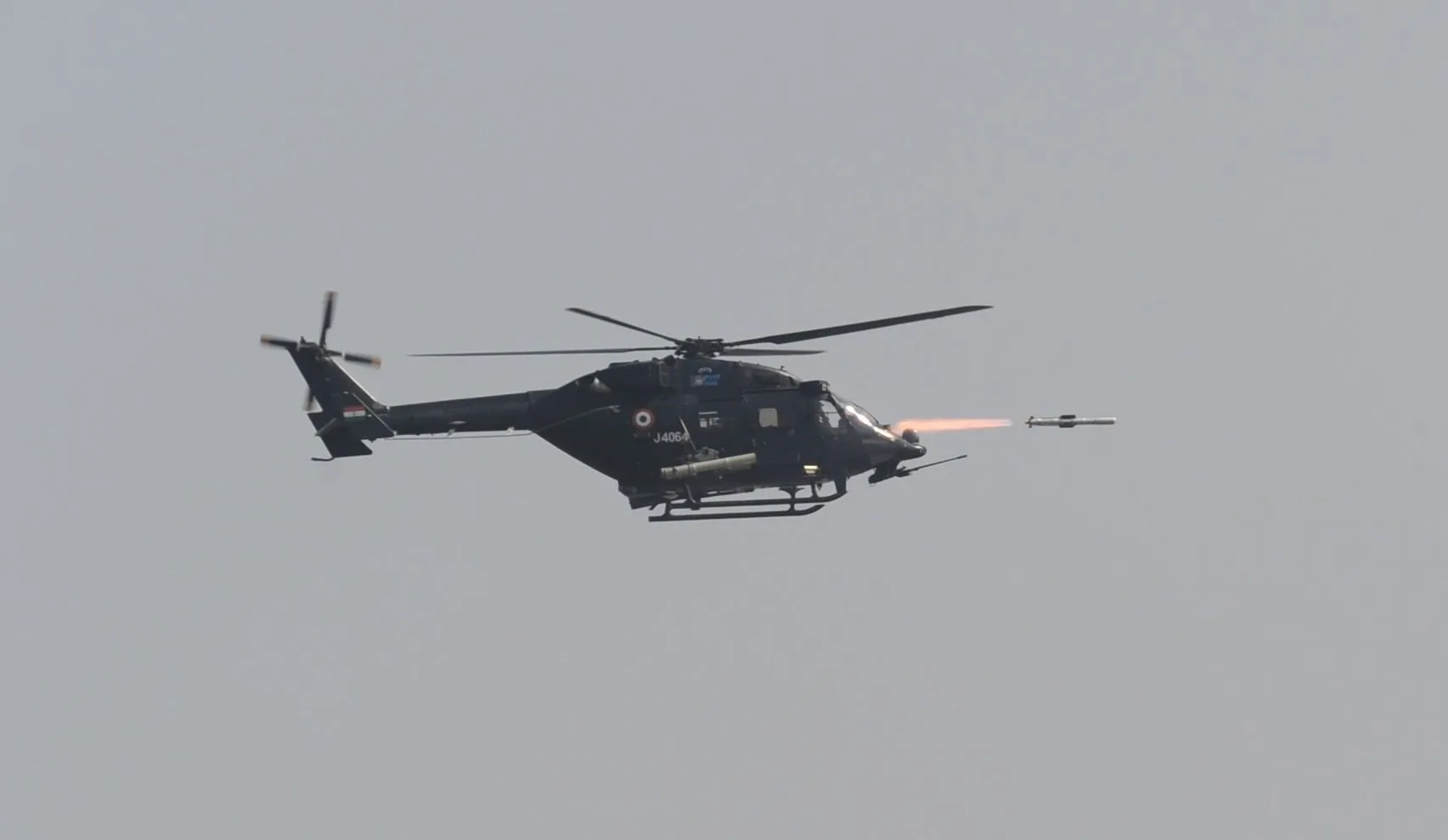
The missile is being integrated with helicopters such as the Advanced Light Helicopter and the Light Combat Helicopter, known as Prachand. These helicopters are important for India’s defence operations, especially in difficult terrains.
Hindustan Aeronautics Limited is preparing new live fire trials where Helina will be tested from the Light Combat Helicopter. Earlier trials have already been successfully completed, including tests in high-altitude areas.
These tests are important to ensure that the missile performs well in real combat conditions.
Role of Defence Industry and Production
The production of Helina Missile involves multiple Indian defence organisations. Bharat Dynamics Limited has received a major order to supply launchers and related systems for the missile.
This order includes advanced components and support systems required for smooth operation. The production timeline spans several years, showing the scale and importance of the project.
Such collaborations highlight the strength of India’s defence manufacturing ecosystem and support the “Make in India” initiative.
Integration with Military Operations
Helina Missile is expected to play a key role in the operations of the Indian Army and the Indian Air Force. Its integration with combat helicopters adds a powerful anti-armour capability to India’s defence forces.
In modern warfare, mobility and precision are crucial. Helicopter-launched missiles like Helina provide both, allowing forces to respond quickly to threats.
This makes the missile especially useful in border areas and challenging terrains where ground operations may be difficult.
Growing Focus on Indigenous Technology
India has been increasing its focus on developing its own defence systems in recent years. Projects like Helina Missile show how the country is investing in research, innovation, and local production.
This shift is important not only for national security but also for boosting the domestic defence industry. It creates jobs, supports technology growth, and reduces reliance on imports.
With changing global security situations, countries are focusing more on building strong and independent defence capabilities.
Future Scope and Strategic Importance
Helina Missile is expected to see wider use as more helicopters are equipped with this system. Its advanced features and reliable performance make it a strong addition to India’s defence arsenal.
As technology continues to evolve, further upgrades and improvements may be added to enhance its capabilities. This will help India stay prepared for future challenges.
The development of such systems shows how modern warfare is becoming more technology-driven, with precision and speed playing a key role.