



Kerala Damselfly Species Discovered in Western Ghats

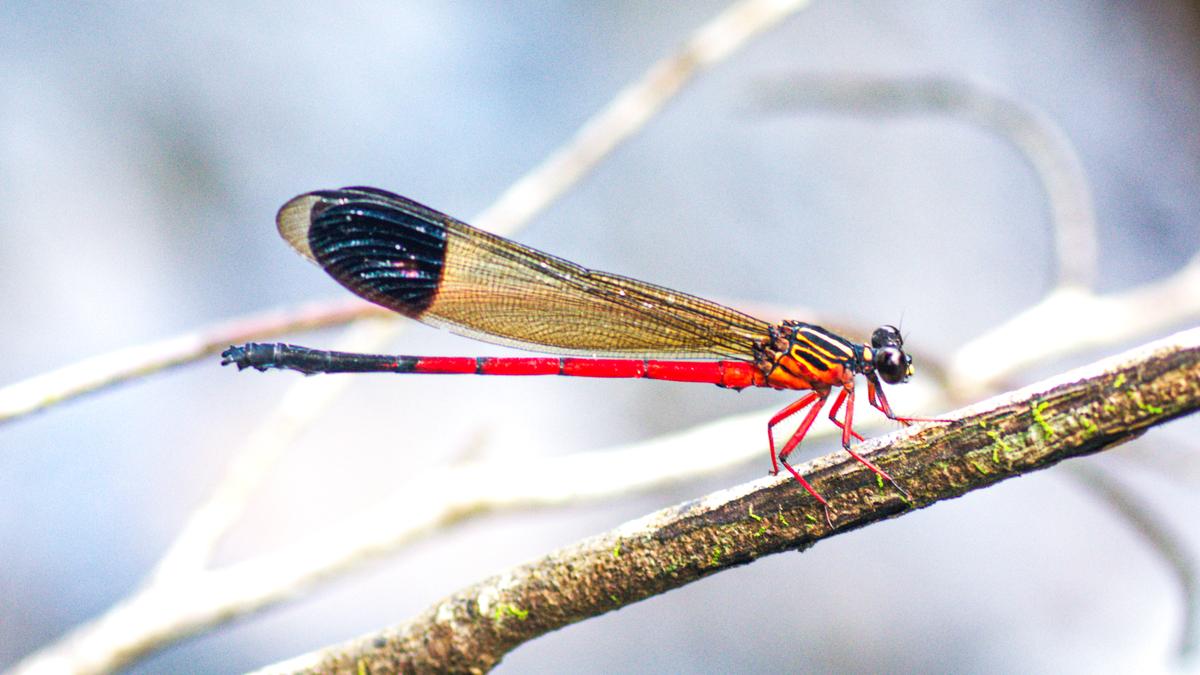
Kerala Damselfly Species have attracted the attention of wildlife researchers after several new damselfly species were discovered in the Western Ghats between 2023 and 2026. These discoveries highlight the incredible biodiversity of one of India’s richest natural landscapes. Scientists have identified species such as Lestes paloti, Euphaea wayanadensis, Melanoneura agasthyamalaica, Protosticta armageddonia, and Protosticta sanguinithorax, along with several other odonates found in Kerala’s protected forests.
The findings show that the Western Ghats continue to be an important region for scientific research and wildlife conservation. As researchers explore more remote forest areas, they continue to discover species that were previously unknown to science.

Several New Species Identified
The latest addition to Kerala’s growing list of damselflies is Lestes paloti, which was discovered in the Western Ghats and officially reported in July 2026. The research was published in the International Journal of Odonatology, adding another important record to India’s insect biodiversity.
Over the past few years, scientists have reported several new damselfly species from different parts of Kerala. These discoveries include:
- Lestes paloti
- Euphaea wayanadensis
- Melanoneura agasthyamalaica
- Protosticta armageddonia
- Protosticta sanguinithorax
Researchers also recorded several additional dragonfly and damselfly species from Silent Valley National Park, making the region one of the most significant habitats for odonates in India.
Understanding Odonata
Damselflies belong to the insect order known as Odonata, which also includes dragonflies.
Although dragonflies and damselflies are closely related, they have noticeable differences. Damselflies usually have:
- Slender and delicate bodies.
- Narrow wings.
- Softer flight patterns.
- Wings folded together while resting.
Most damselflies depend on clean freshwater streams, wetlands, ponds, and forest ecosystems. Because they are highly sensitive to pollution and environmental changes, scientists often use them as indicators of ecosystem health.
A healthy population of damselflies usually reflects a healthy freshwater environment.
Western Ghats: A Rich Biodiversity Hotspot
The Western Ghats stretch along India’s western coast and are recognised as one of the world’s most important biodiversity hotspots. The mountain range is also a UNESCO World Heritage Site because of its exceptional variety of plants and animals.
Kerala forms an important part of the Western Ghats and contains dense forests, mountain streams, waterfalls, and protected wildlife areas. These habitats provide ideal conditions for insects, birds, amphibians, reptiles, and mammals.
Many species found in the Western Ghats cannot be found anywhere else in the world, making conservation of this region extremely important.
Silent Valley National Park Leads New Discoveries
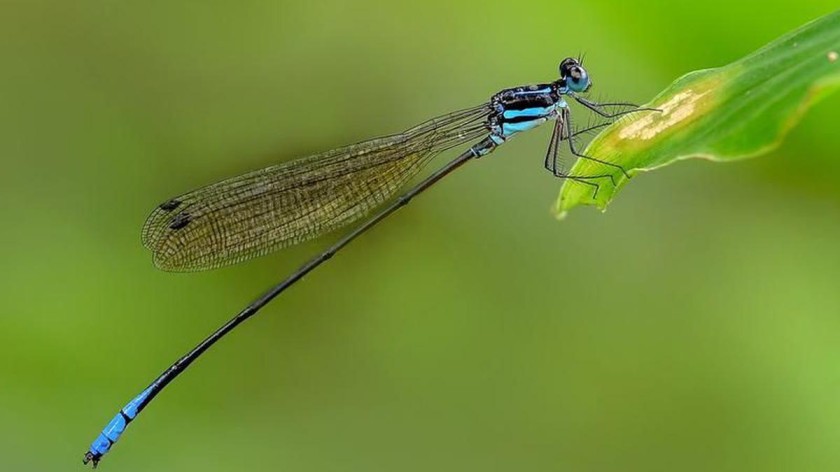
One of the most important locations for these discoveries is Silent Valley National Park in Kerala’s Palakkad district.
The park is famous for its untouched tropical rainforest and clean river systems. In October 2025, researchers recorded six new odonate species from the park.
Some notable species included:
- Blue-necked Reedtail (Protosticta mortoni)
- Wayanad Torrent Dart (Euphaea wayanadensis)
- Black and Yellow Bambootail (Elattoneura tetrica)
These discoveries further strengthened Silent Valley’s reputation as one of India’s richest habitats for insects and wildlife.
Wayanad and Agasthyamalai Add New Records
Another important discovery was Euphaea wayanadensis, commonly called the Wayanad Torrent Dart. The species was officially described in April 2025 from the Wayanad landscape of the Western Ghats.
The research appeared in the scientific journal ENTOMON. At that time, Kerala’s recorded odonate diversity had reached 191 species, showing the state’s remarkable insect richness.
In November 2024, researchers identified Melanoneura agasthyamalaica, also known as the Agasthyamalai Bambootail, near Peppara Wildlife Sanctuary in Thiruvananthapuram district.
Earlier, in September 2023, scientists recorded Protosticta armageddonia, popularly known as the Armageddon Reedtail, from the southern Western Ghats northeast of Thiruvananthapuram.
Each of these discoveries adds valuable information about the unique biodiversity of Kerala’s forests.
Modern Techniques Help Scientists
Identifying new insect species is a detailed scientific process.
Researchers use several advanced methods, including:
- Studying body shape and wing patterns.
- High-resolution microscopy.
- DNA and molecular analysis.
- Comparing colour patterns and body measurements.
- Examining mating structures and other anatomical features.
These techniques help scientists separate closely related species that may look almost identical.
For example, recent studies successfully distinguished members of the Shadowdamsel group from the Red-spot Shadowdamsel, improving the scientific classification of these insects.
Why These Discoveries Matter
New species discoveries are important because they improve scientific understanding of biodiversity and ecosystem health.
Damselflies play several important roles in nature:
- They help control mosquito populations.
- They serve as food for birds, fish, and amphibians.
- They indicate the health of freshwater ecosystems.
- They support biodiversity research.
- They help scientists monitor the effects of climate change.
As environmental challenges such as habitat loss, pollution, and changing weather patterns continue to affect ecosystems, documenting new species becomes increasingly valuable.
The recent discoveries also highlight the importance of protecting forests, rivers, and wetlands in the Western Ghats so that these unique species can continue to survive in their natural habitats.
With ongoing research in Kerala’s forests and protected areas, scientists believe many more unknown insect species may still be waiting to be discovered in one of India’s richest biodiversity landscapes.