


CE20 Engine Sets New Milestone

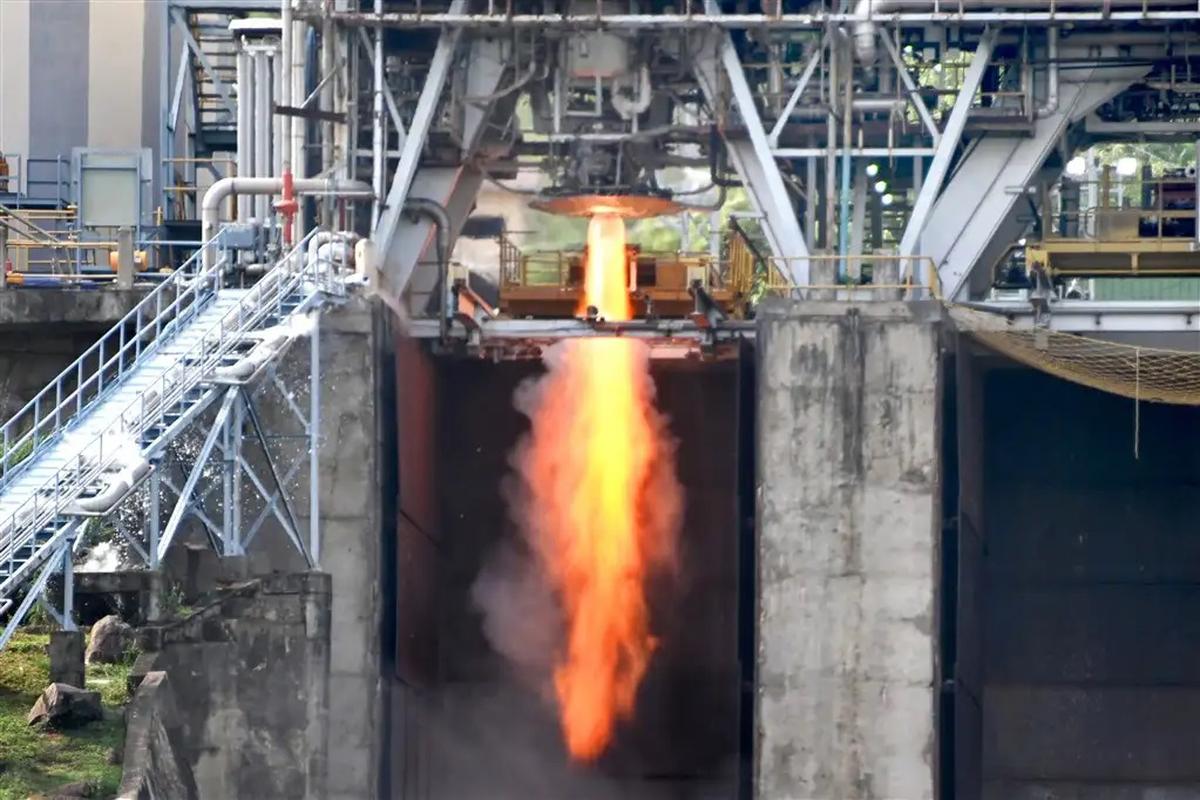
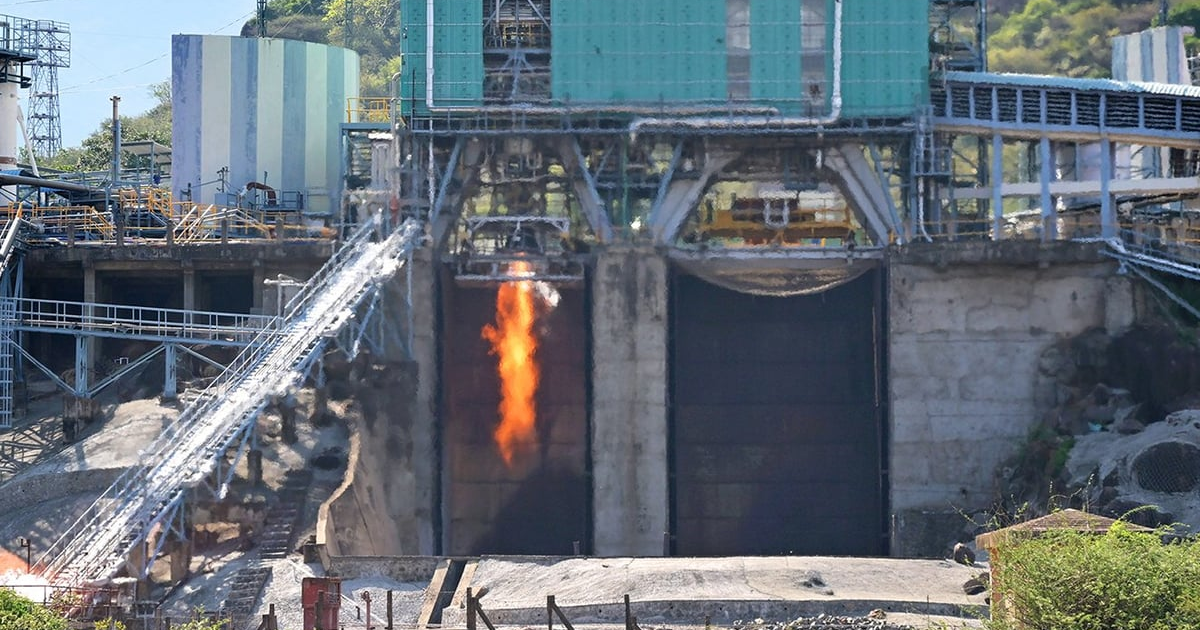
CE20 Engine testing reached another milestone after the Indian Space Research Organisation (ISRO) successfully conducted a flight acceptance hot test at an uprated thrust level of 220 kN on 9 September 2026. The test was carried out at the ISRO Propulsion Complex in Mahendragiri, Tamil Nadu, as part of preparations for an upgraded upper stage of the LVM3 launch vehicle.
The latest test is important for India’s launch programme because the CE20 engine is designed to power the upper stage of LVM3. The higher-thrust version is being developed to improve the launch vehicle’s overall performance and payload-carrying capability.

CE20 Engine and Cryogenic Technology
The CE20 engine is an indigenous cryogenic engine developed by ISRO. It is used in the upper stage of the LVM3 rocket and operates with liquid oxygen and liquid hydrogen.
Cryogenic propellants are stored at extremely low temperatures. Liquid hydrogen is used as the fuel, while liquid oxygen works as the oxidiser. This combination can provide high efficiency and is useful for powerful upper-stage rocket engines.
The development of the CE20 Engine has been an important part of India’s efforts to build advanced launch technology within the country. Its successful testing supports India’s ability to carry out demanding satellite and human-spaceflight missions.
220 kN Thrust Test at Mahendragiri
The latest hot test was conducted at the ISRO Propulsion Complex in Mahendragiri. During a hot test, a rocket engine is operated under controlled conditions to check its performance and different technical systems.
For this test, the CE20 engine was operated at an uprated thrust level of 220 kN. The higher thrust configuration is linked to the upgraded C32 upper stage of an upcoming LVM3 mission.
A successful test provides engineers with important performance data. The information can be used to assess engine operation, propulsion systems and other components before the technology is used during an actual launch.
Upgraded C32 Upper Stage
The CE20 Engine is connected with the C32 upper stage of LVM3. The upper stage plays an important role in giving a payload the required speed and trajectory after the earlier stages of the rocket have completed their work.
The upgraded C32 stage is being developed with a higher-thrust CE20 configuration. The aim is to improve the launch vehicle’s capability and support missions requiring greater performance.
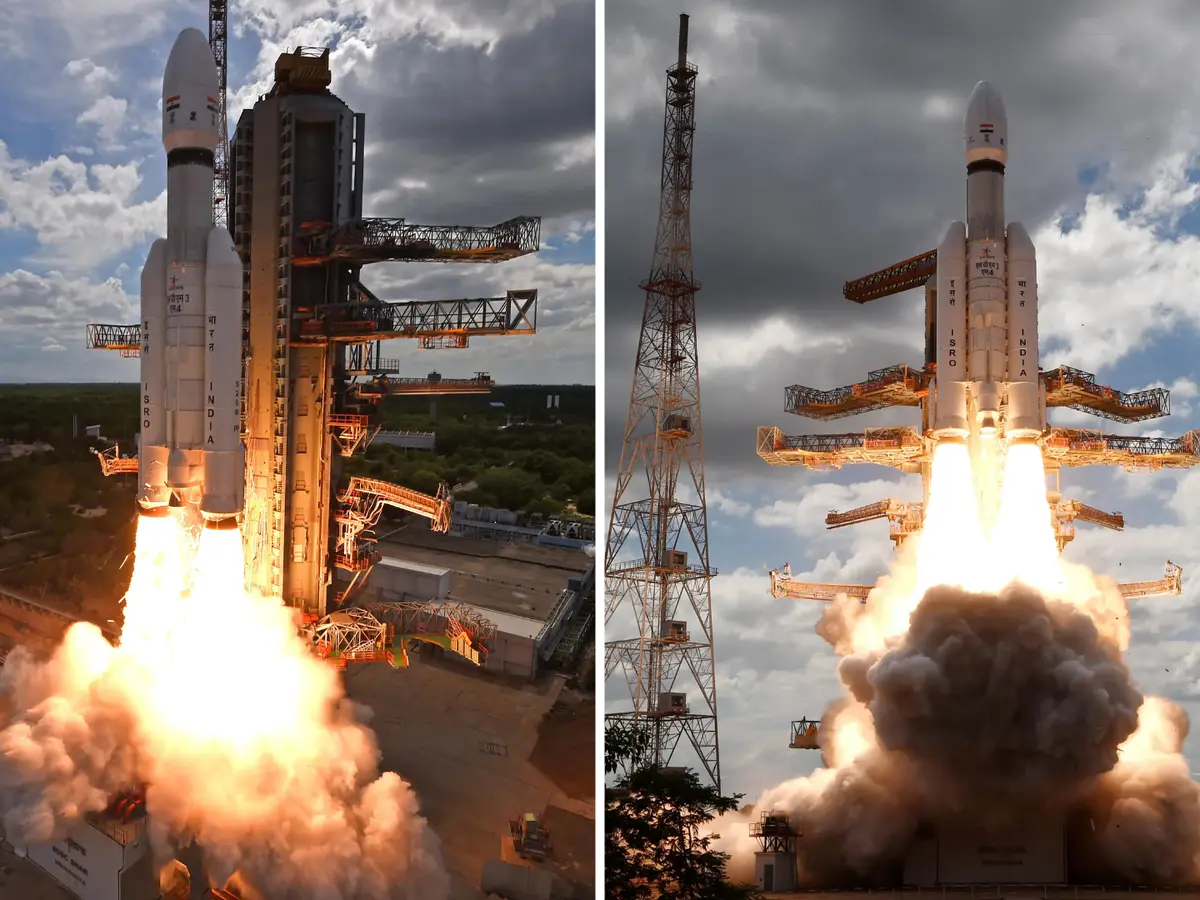
LVM3 is India’s heavy-lift launch vehicle and has been used for major space missions. The rocket is also closely linked with India’s human spaceflight programme, Gaganyaan.
Liquid Oxygen Tank Pressurisation Module
The latest test also included a demonstration of the Liquid Oxygen Tank Pressurisation Module, known as LTPM. The system is designed for the C32 stages associated with Gaganyaan missions.
Tank pressurisation is an important part of rocket propulsion. Propellant tanks need controlled pressure so that fuel and oxidiser can be supplied properly to the engine during operation.
Testing such systems together with the engine helps engineers study how different components perform as part of the wider propulsion system.
Earlier CE20 Testing
The latest CE20 Engine test follows several earlier technical milestones. On 10 March 2026, ISRO conducted a sea-level hot test of the engine. The test reportedly continued for 165 seconds at a thrust level of about 22 tonnes and included an advanced Nozzle Protection System.
The March test provided additional information about the engine’s performance and protection systems. The September test at the higher thrust level represents another step in the development and qualification process.
New Developments in Indian Launch Technology
ISRO has been working on several upgrades to India’s launch vehicles as the country’s space programme expands. Higher-performance propulsion systems are particularly important because launch vehicles need to carry increasingly complex spacecraft and support a wider range of missions.
The CE20 Engine is part of this wider development. Its cryogenic technology allows the upper stage of LVM3 to achieve the performance required for heavy payload missions.
India is also seeing growing activity from private space companies, satellite manufacturers and launch-service providers. These developments are increasing the demand for reliable launch infrastructure and advanced propulsion technologies.
Link with Gaganyaan
The CE20 Engine also has a connection with India’s Gaganyaan human-spaceflight programme. Gaganyaan requires highly reliable launch systems because the vehicle will be used for crewed missions.
ISRO has been carrying out extensive testing of propulsion systems and other rocket components as part of preparations for human spaceflight. Systems used for such missions must meet strict performance and reliability requirements.
The testing of the upgraded CE20 configuration and associated C32 systems therefore forms part of the broader development work surrounding India’s future launch missions.
Earlier Bootstrap-Mode Milestone
Another notable CE20 milestone took place on 7 November 2025, when the engine completed a 10-second test demonstrating bootstrap-mode startup under vacuum conditions without an auxiliary startup system.
Bootstrap startup is a method in which the engine’s own systems help establish the conditions needed for continued operation. Demonstrating this capability under vacuum conditions was part of the engine’s continuing technical development.
The sequence of tests carried out over recent years shows ISRO’s approach of progressively checking the CE20 Engine under different operating conditions before it is cleared for specific missions.