Sthree Suraksha Scheme Launched in Kerala

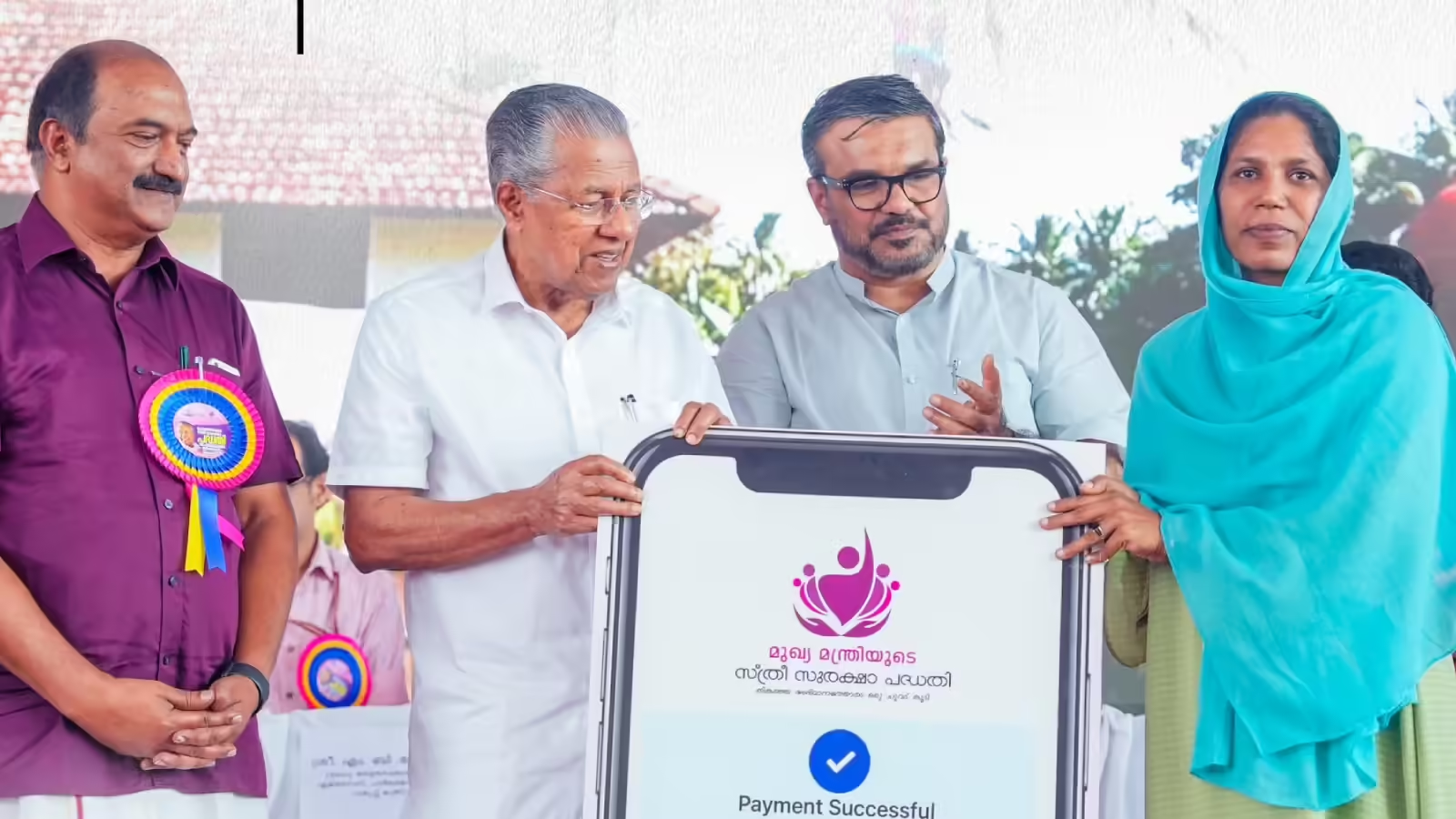
Sthree Suraksha Scheme has been launched by the Kerala government as a major step toward supporting unemployed women and transwomen from economically weaker families. The initiative provides a monthly pension designed to improve financial stability, independence, and dignity. Chief Minister Pinarayi Vijayan officially inaugurated the scheme at Malayinkeezhu in Thiruvananthapuram.
Thank you for reading this post, don't forget to subscribe!During the launch, the first instalment of ₹1,000 was transferred directly to more than 10.18 lakh approved beneficiaries. This direct transfer ensures that support reaches recipients quickly without middlemen. The scheme reflects Kerala’s continued focus on social welfare and inclusive governance, especially for vulnerable groups.
Financial Support for Women and Transwomen
The Sthree Suraksha Scheme aims to reduce economic hardship faced by women who do not have stable income sources. Many women in lower-income households carry family responsibilities but lack financial independence. This monthly pension provides a reliable source of income that can be used for essential needs such as food, healthcare, education of children, or household expenses.
A notable feature of the scheme is the inclusion of transwomen. By extending benefits to them, the government has taken a significant step toward inclusive policy making. Transgender persons often face barriers in employment and social acceptance, making financial support programs especially important for their well-being.
Officials say that this initiative is not just about money but about ensuring dignity and equal opportunity. The pension helps beneficiaries participate more actively in daily life without complete dependence on others.
Eligibility Criteria and Coverage
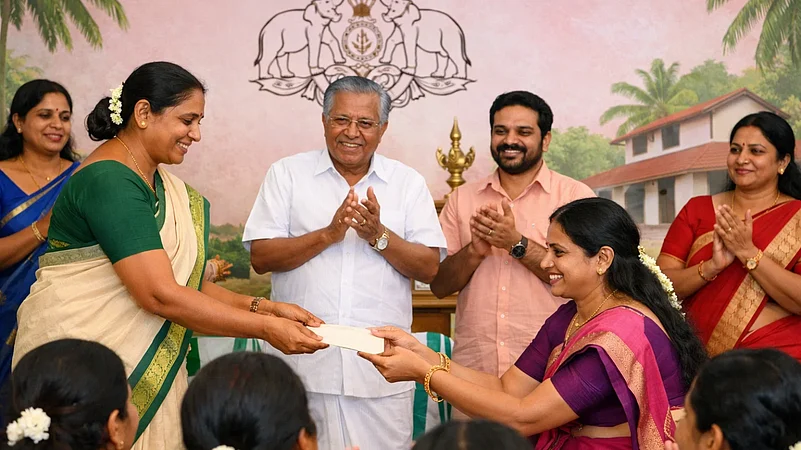
Women between the ages of 35 and 60 years from economically weaker sections are eligible for the scheme. Applicants must not be receiving benefits from any other social welfare pension program. This condition ensures that assistance reaches those who need it most.
Transwomen within the same age group are also eligible, provided they meet income criteria. Applicants are required to submit basic documents for verification, including proof of identity, residence, and bank details.
The government has stated that additional applicants will be included after verification of pending applications. This means the number of beneficiaries may increase over time as more eligible individuals are identified.
The pension amount of ₹1,000 per month is credited directly to beneficiaries’ bank accounts through digital transfer systems. This approach promotes transparency and financial inclusion while reducing delays.
Part of a Larger Welfare Vision
The Sthree Suraksha Scheme was first announced in October as part of a broader package of measures aimed at supporting working-class households. The ruling Left Democratic Front has consistently emphasized social security programs as a key part of governance.
According to the Chief Minister, economic vulnerability often limits women’s ability to make independent decisions. Lack of income can affect access to healthcare, education, and participation in community life. The pension seeks to address these issues by giving women a dependable financial base.
The government believes that direct income support can improve living standards while also strengthening local economies. When households have more spending power, it can benefit small businesses and services in the community.
Focus on Gender Equality
Kerala has long been recognized for relatively strong social indicators related to education, healthcare, and gender development. The state attributes this progress to decades of social reform movements and policy initiatives that emphasized equality and public welfare.
One of Kerala’s notable contributions to policy innovation is gender budgeting. It became the first Indian state to systematically allocate funds across departments specifically for programs benefiting women. This approach ensures that women’s needs are considered in planning and budgeting processes.
In addition to financial schemes, Kerala has introduced measures to improve safety and public participation. These include the establishment of the Pink Police wing, which focuses on women’s security in public spaces. The presence of trained female officers aims to make reporting incidents easier and safer.
Importance of Direct Benefit Transfers
The use of direct bank transfers is an important feature of the Sthree Suraksha Scheme. Digital payment systems reduce administrative costs, prevent leakages, and ensure timely delivery of funds.
This approach aligns with India’s broader push toward digital governance and financial inclusion. With increasing access to bank accounts and mobile services, more citizens can receive government benefits efficiently.
For many beneficiaries, this pension may be their first regular income deposited into a personal bank account. This can encourage saving habits and provide a sense of financial identity.
Addressing Economic Challenges
In recent years, rising living costs, job uncertainty, and health expenses have placed pressure on low-income households across the country. Women, especially those outside the formal workforce, are often the most affected.
The Sthree Suraksha Scheme responds to these challenges by offering predictable monthly support. Even a modest amount can make a significant difference when used for essential needs. It can help reduce debt, improve nutrition, and provide a safety net during emergencies.
The scheme also acknowledges unpaid work performed by women in households. Many women contribute significantly through caregiving and domestic responsibilities without receiving formal wages. Financial assistance recognizes this invisible labor to some extent.
Social Inclusion and Dignity
By including both women and transwomen, the scheme promotes a broader vision of social justice. It recognizes that economic hardship can intersect with gender identity, social background, and employment status.
Support programs that address these realities can help reduce marginalization and improve quality of life. Beneficiaries gain not only financial assistance but also recognition from the state as equal citizens deserving support.
Community organizations and social workers have welcomed the initiative, noting that it can reduce vulnerability among groups that often face discrimination or neglect.
Public Response and Future Outlook
The launch of the Sthree Suraksha Scheme has generated widespread discussion across Kerala. Many view it as a timely measure to support families facing economic stress. Others see it as part of a long tradition of welfare-oriented governance in the state.
Government officials have indicated that the scheme may evolve based on feedback and financial conditions. Additional support measures, skill development programs, and employment initiatives could complement the pension in the future.
As digital systems expand and awareness grows, more eligible individuals are expected to apply. The success of the program will likely depend on efficient implementation, regular payments, and continued outreach.
The Sthree Suraksha Scheme represents a focused effort to provide financial security, promote independence, and support inclusive development. By addressing the needs of women and transwomen from vulnerable backgrounds, the initiative highlights the role of targeted welfare programs in building a more equitable society.