



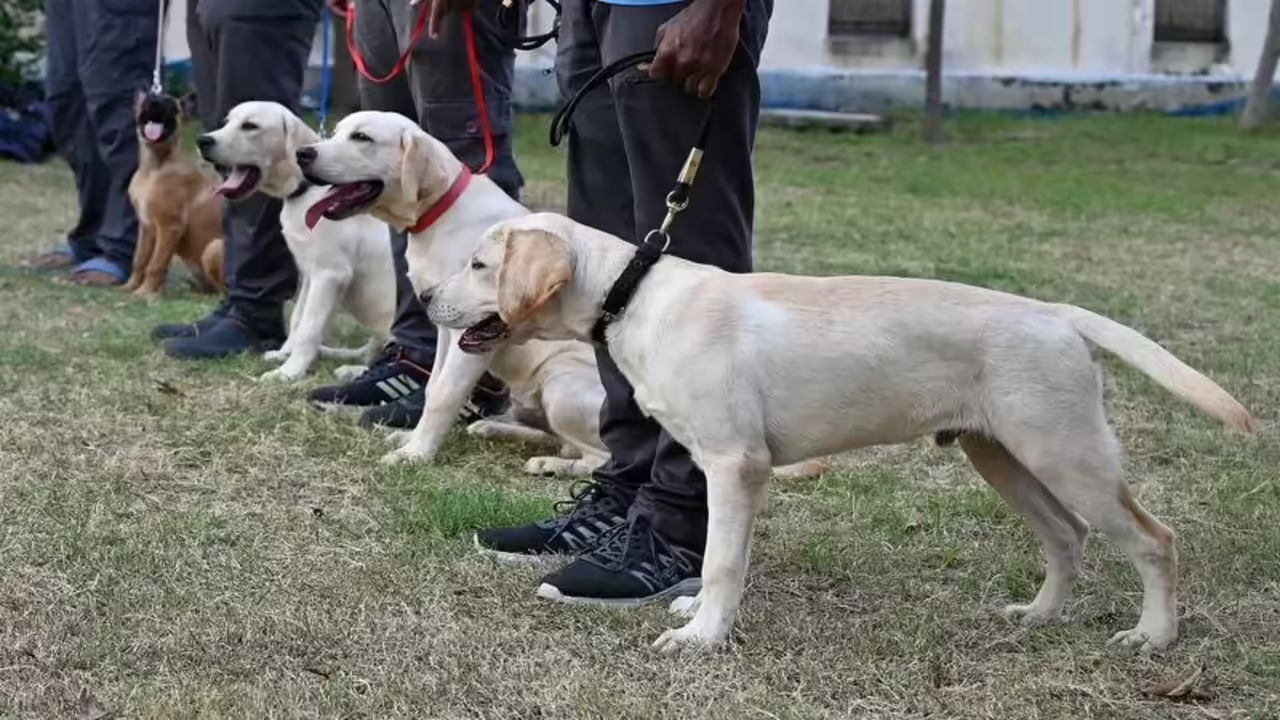
Indigenous Dog Breeds Join Assam Rifles

Indigenous Dog Breeds are set to play a bigger role in India’s security system as Assam Rifles begins inducting native Indian dogs into its canine squad. This move is part of the government’s Atmanirbhar Bharat campaign, which promotes self-reliance and the use of homegrown resources across sectors, including defence and internal security.
Thank you for reading this post, don't forget to subscribe!The force has already introduced the Tangkhul Hui breed from Manipur as a pilot project. Another well-known native breed, the Kombai from Tamil Nadu, is expected to join the unit starting April. Full induction of both breeds is planned by March 2027.
Training for these dogs is taking place at the Assam Rifles Dog Training Centre in Jorhat, a key facility for preparing canine units for operational duties.
Why Native Breeds Are Being Chosen
Security agencies have traditionally relied on foreign breeds such as Labradors, German Shepherds, and Belgian Malinois. While these dogs are highly capable, they often require special care in India’s diverse and sometimes harsh climates.
Officials say indigenous breeds offer several advantages:
- Better resistance to local diseases
- High tolerance to heat, humidity, and rugged terrain
- Lower maintenance needs
- Strong natural guarding instincts
- Ability to adapt quickly to regional conditions
India’s varied geography from dense forests to mountains and deserts demands animals that can perform in extreme environments. Native breeds have evolved in these conditions over centuries, making them particularly suited for operational tasks.
The shift also reflects a broader push to reduce dependence on imported resources and strengthen domestic capabilities.
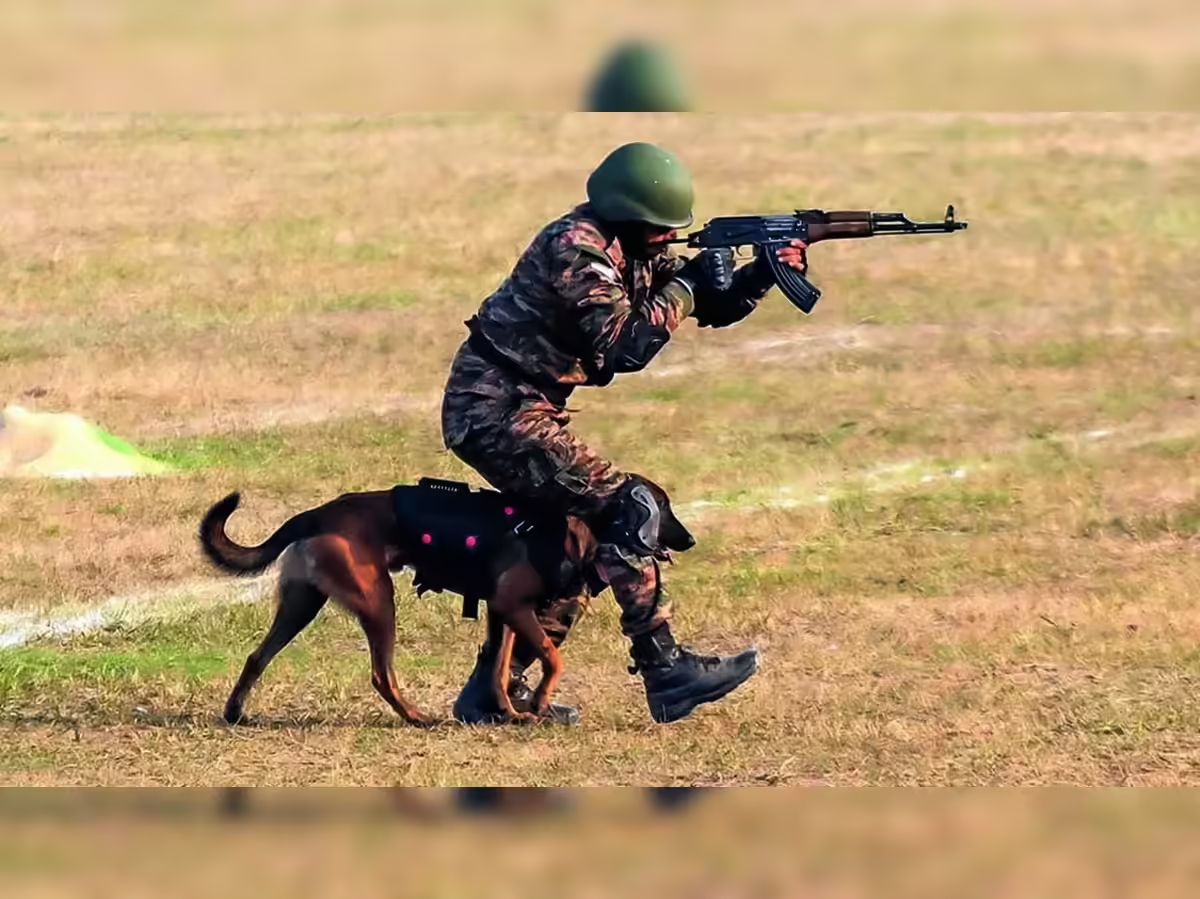
Tangkhul Hui: The First Indigenous Inductee
The Tangkhul Hui is a rare native breed from Manipur, known for its alertness, loyalty, and strong sense of smell. Six dogs of this breed were inducted in 2022 under a pilot program.
Currently, these dogs are deployed in narcotics detection roles, where they help security forces intercept illegal drugs and smuggling operations. Their performance so far has encouraged authorities to expand the use of indigenous breeds.
The breed is also valued for its endurance and ability to navigate difficult terrain, which is especially important in the Northeast region.
Kombai: The Next Breed to Join
Another indigenous breed set to join the canine squad is the Kombai from Tamil Nadu. This breed has a long history as a guard dog and hunting companion.
Kombai dogs are known for:
- Exceptional agility
- Strong protective instincts
- Fearlessness
- High energy levels
- Deep loyalty to handlers
These qualities make them suitable for tasks such as perimeter security, patrol support, and potentially assault roles during high-risk operations.
Authorities believe the Kombai’s natural guarding abilities will complement the detection skills of other breeds already in service.
Training at Jorhat’s Specialized Centre
All inducted dogs undergo rigorous preparation at the Assam Rifles Dog Training Centre in Jorhat. The facility trains both animals and handlers to operate as coordinated teams.
The centre currently houses over a hundred dogs along with many handlers undergoing different stages of training. Programs include:
- Basic obedience and discipline
- Tracking suspects
- Explosive detection
- Narcotics detection
- Search operations
- Handling techniques
Some personnel receive advanced instruction at specialised training institutes before returning as instructors. This ensures a continuous cycle of skill development within the force.
Training is designed to simulate real-world scenarios, including jungle patrols, border security operations, and urban environments.
Current Strength of the Canine Unit
The Assam Rifles has authorization for more than 300 dogs but currently operates around 250 across key operational areas, including the Northeast and Jammu and Kashmir.
These dogs are supported by over 1,200 trained handlers. Each handler forms a close bond with their assigned dog, which is essential for effective teamwork in high-stress situations.
Canine units are often deployed in sensitive missions where their abilities can save lives by detecting threats that humans might miss.
Role in Security Operations
Dogs play a critical role in modern security forces. Their acute sense of smell and hearing makes them invaluable for tasks that technology alone cannot handle.
The Assam Rifles canine squad has been involved in:
- Counter-insurgency operations
- Border patrol duties
- Anti-narcotics missions
- Explosive detection
- Search operations
In September 2025, canine units reportedly helped in a major narcotics seizure linked to cross-border smuggling from Myanmar. Such operations highlight the importance of trained dogs in maintaining regional security.
Expansion of Roles in the Future
Authorities are planning to expand the operational scope of canine units beyond traditional tasks. Future roles may include:
- Dual-purpose assault support
- Advanced explosive detection
- Search and rescue during natural disasters
- Disaster response operations
- Urban emergency assistance
India frequently faces floods, earthquakes, and landslides. Specially trained dogs can locate trapped survivors much faster than human teams alone, making them crucial in rescue missions.
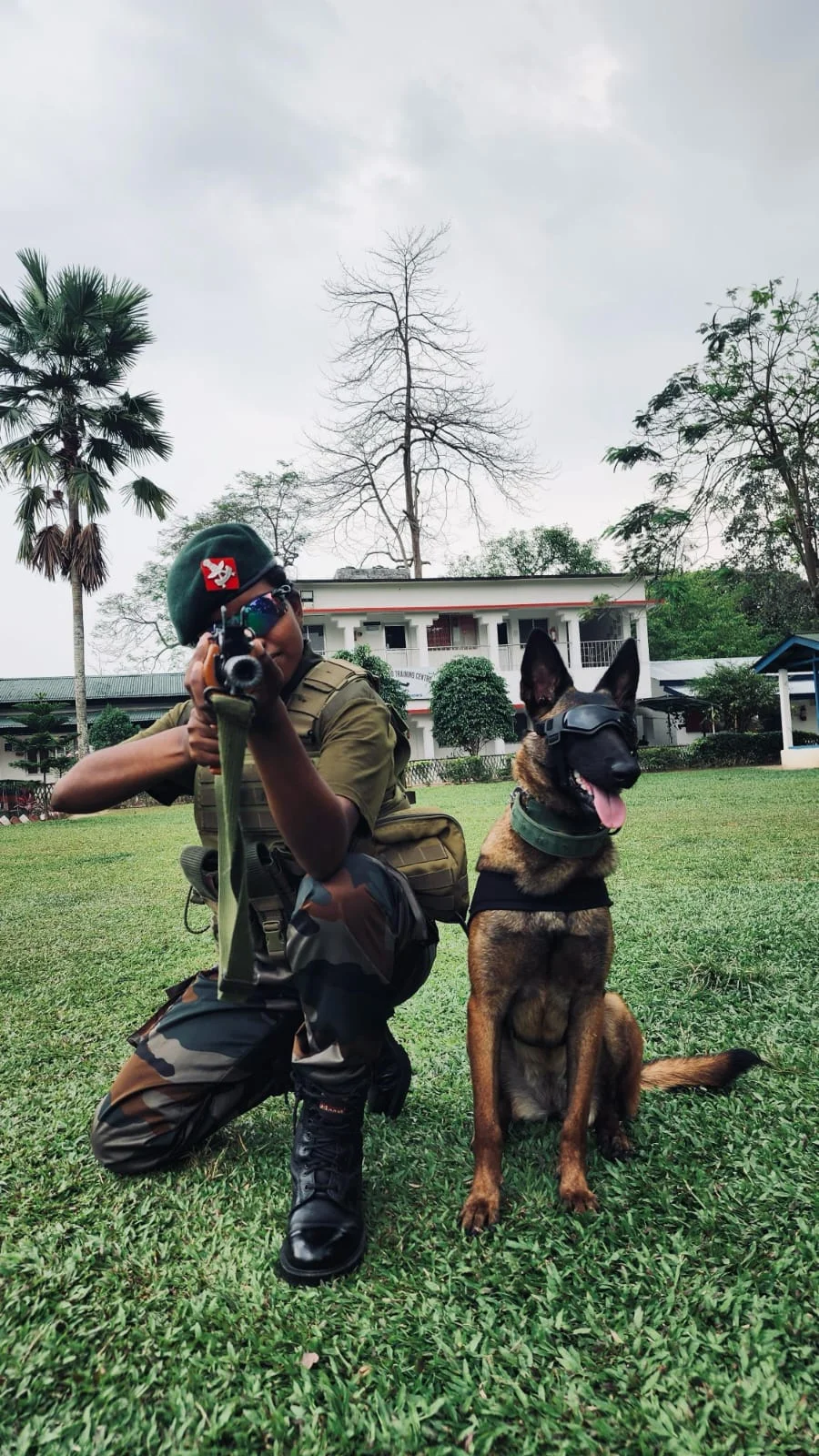
Boost to Self-Reliance in Security Forces
The induction of indigenous breeds aligns with national efforts to strengthen domestic capabilities under the Atmanirbhar Bharat vision. By relying on local breeds, security forces can reduce dependence on imported dogs and associated breeding programs.
Native dogs are also easier to source within the country, lowering costs and simplifying logistics. Veterinary care, food requirements, and training adaptations are generally more manageable compared to foreign breeds.
This approach mirrors broader trends in India’s defence sector, where emphasis is increasingly placed on local manufacturing, technology development, and resource utilization.
Preserving India’s Native Dog Heritage
Another important benefit of this initiative is the preservation of indigenous breeds, many of which are rare or declining due to urbanization and preference for foreign pets.
By integrating these breeds into official roles, authorities are helping ensure their survival while demonstrating their practical value.
The Tangkhul Hui and Kombai are just two examples. India has many other native breeds each adapted to specific regions and purposes that could potentially serve in security roles in the future.
A Strategic and Cultural Shift
The decision to induct indigenous dog breeds represents both a strategic move and a cultural shift. It highlights confidence in local capabilities and recognizes the unique strengths of India’s native animals.
As training progresses and more dogs join the force, these breeds could become a common sight in security operations across the country.
With growing challenges such as cross-border crime, drug trafficking, and disaster response needs, canine units remain a vital part of India’s security framework. Indigenous breeds are now set to contribute significantly to that mission while reflecting the country’s broader push toward self-reliance and sustainable development.