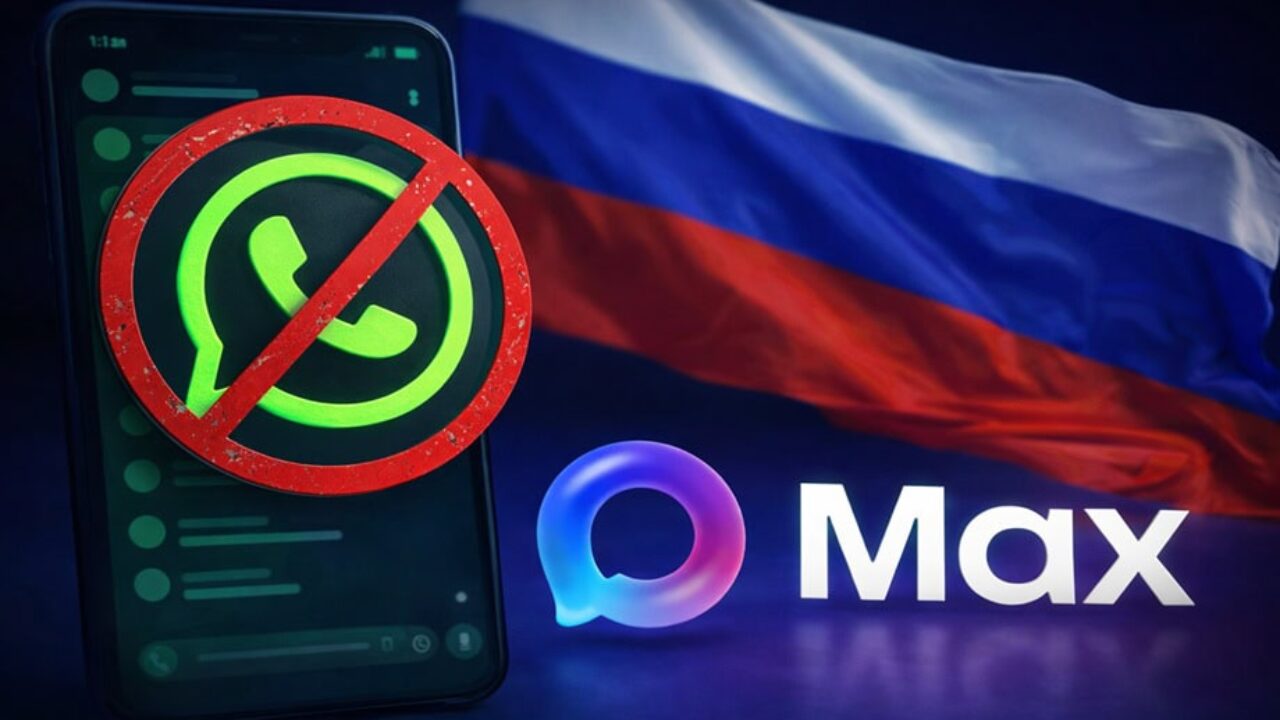
Russia WhatsApp Block: Kremlin Tightens Grip on Digital Messaging

The Russia WhatsApp Block has marked a major shift in the country’s digital policy, affecting millions of users and reshaping how people communicate online. Russian authorities have officially blocked the popular messaging application WhatsApp, saying it failed to comply with domestic laws. The move has triggered widespread debate about digital freedom, data security, and the growing role of state-backed technology platforms in the country.
Thank you for reading this post, don't forget to subscribe!WhatsApp, which has long been one of the most widely used messaging services in Russia, is estimated to have around 100 million users there. Its sudden restriction has disrupted personal communication, business operations, and media sharing across the nation.
Why Russia Blocked WhatsApp
According to the Kremlin, the decision to block WhatsApp was taken after the platform repeatedly failed to meet Russian legal requirements. These laws demand that foreign technology companies store user data within Russian territory and cooperate with local authorities on content regulation and security matters.
Kremlin spokesperson Dmitry Peskov said that WhatsApp showed “reluctance to comply with the norms and letter of Russian law.” Officials argue that no company, foreign or domestic, can operate above national legislation. From the government’s perspective, the block is presented as a legal enforcement step rather than a political move.

Impact on Millions of Users
The Russia WhatsApp Block has immediately affected daily life for ordinary citizens. Families who relied on WhatsApp for free messaging and video calls have been forced to look for alternatives. Small businesses that used WhatsApp to communicate with customers, share catalogs, and manage orders now face operational challenges.
Many users reported sudden loss of access, while others experienced slowdowns and partial service disruptions before the full block took effect. For people living in remote areas, where WhatsApp was often the most reliable communication tool, the change has been especially difficult.
Government Push for Max Messaging App
Following the ban, Russian authorities have openly encouraged citizens to shift to Max, a state-backed messaging platform promoted as a national alternative. Officials describe Max as easy to use and under active development, claiming it will meet the needs of both individuals and organizations.
However, unlike WhatsApp, Max reportedly does not offer end-to-end encryption. This has raised concerns among privacy advocates and digital rights groups. Without strong encryption, messages could potentially be accessed by third parties, including state agencies. Critics argue that the Russia WhatsApp Block is less about legal compliance and more about steering users toward a platform that allows greater state oversight.
Meta’s Response to the Block
WhatsApp is owned by Meta Platforms Inc., a US-based technology giant. In response to the restrictions, Meta said it believes Russian authorities are attempting a full block to pressure users into migrating to Max. The company added that it would continue efforts to keep its services available for as long as possible.
Meta also pointed out that WhatsApp’s end-to-end encryption is designed to protect user privacy and prevent unauthorized access to personal conversations. The company has previously resisted demands from governments worldwide that could weaken encryption standards.
Data Laws and Digital Control
Russia has some of the world’s strictest data localisation laws. These rules require foreign companies to store the personal data of Russian citizens on servers located within the country. Authorities say this is necessary to protect national security and ensure compliance with local regulations.
The Russia WhatsApp Block fits into a broader policy known as digital sovereignty. This approach emphasizes national control over digital infrastructure, data, and online platforms. Supporters argue that it reduces dependence on foreign technology and protects citizens from external influence. Critics counter that it limits freedom of expression and access to global information.
Wider Restrictions on Messaging Platforms
WhatsApp is not the only platform facing pressure. Russia’s internet watchdog has also announced phased restrictions on Telegram, accusing it of similar legal non-compliance. These measures suggest a wider crackdown on foreign messaging services that operate outside direct state control.
Rights organizations warn that such actions could lead to increased surveillance and reduced privacy for users. They argue that blocking popular platforms forces people onto less secure or heavily monitored services.

Public Reaction and Global Attention
Public reaction to the Russia WhatsApp Block has been mixed. Some citizens accept the government’s explanation and are willing to try domestic alternatives. Others see the move as another step toward tighter internet control.
International observers and digital rights groups are closely watching the situation. Many view the block as part of a global trend where governments seek greater authority over online communication. The case of Russia is often cited as a clear example of how digital policy can reshape everyday life.
What Lies Ahead for Digital Communication in Russia
The blocking of WhatsApp represents a turning point in Russia’s relationship with global technology platforms. Whether users fully migrate to Max or find other workarounds remains to be seen. What is clear is that the Russia WhatsApp Block has opened a new chapter in the country’s digital landscape, one defined by stronger state involvement and reduced reliance on foreign services.
As regulations continue to evolve, both users and companies will have to adapt to a rapidly changing environment where communication tools are increasingly shaped by national policy.