Karnataka Under-16 Phone Ban: Karnataka Explores Mobile Restrictions for Children Below 16

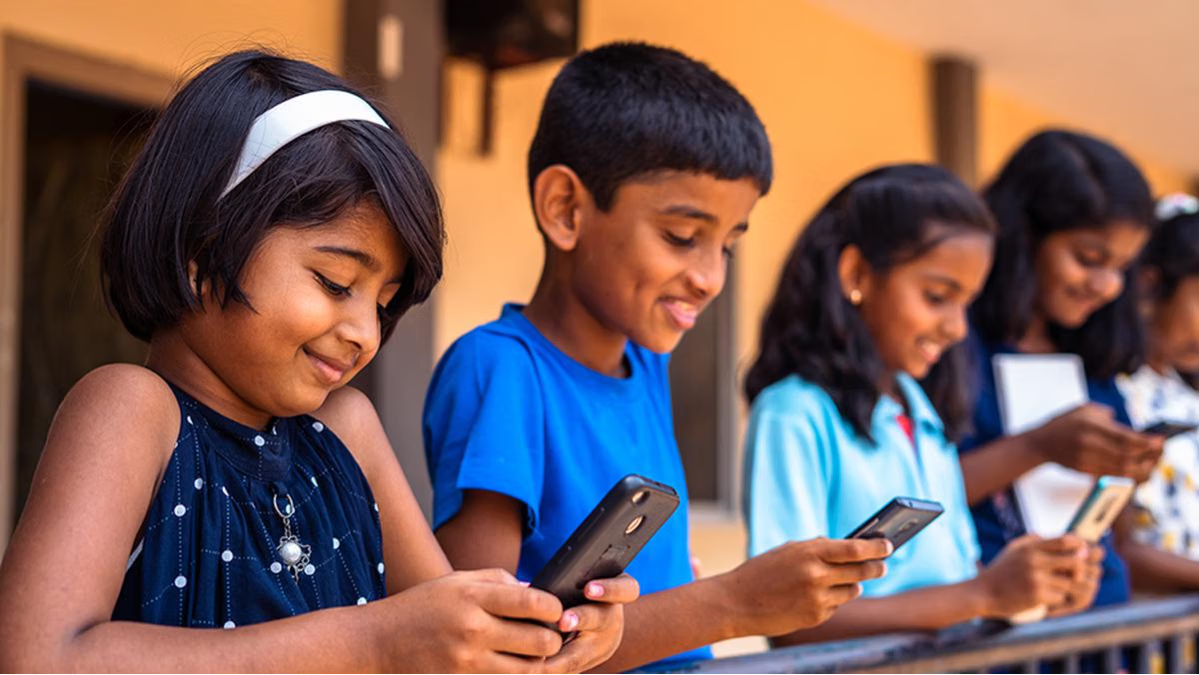
Karnataka Under-16 Phone Ban has entered public discussion as the state government begins examining whether mobile phone use should be restricted or banned for children below the age of 16. The proposal comes amid rising concern about digital addiction, exposure to harmful online material, and the growing influence of social media and artificial intelligence on young minds. While no final decision has been taken, the debate reflects a wider national and global conversation on how technology should be regulated for minors.
Thank you for reading this post, don't forget to subscribe!Growing Concern Over Children and Mobile Phone Use
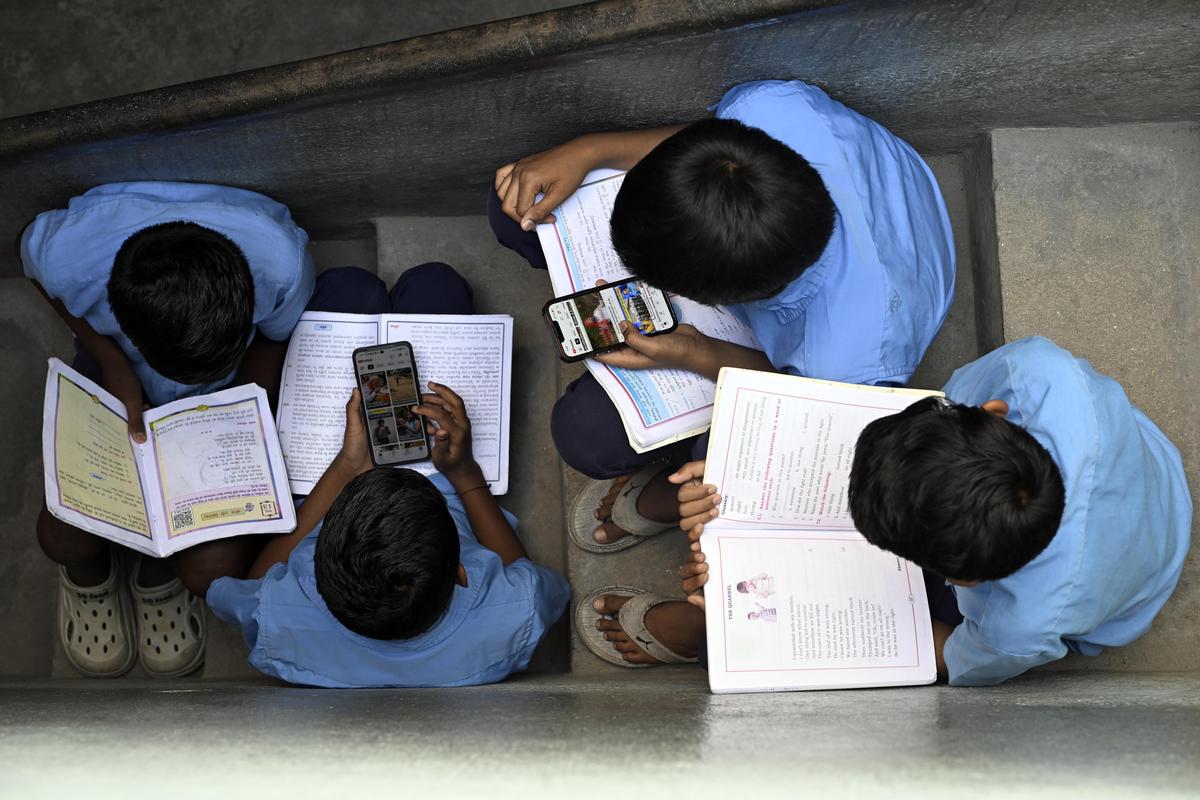
In recent years, smartphones have become an everyday part of children’s lives. From online classes and entertainment to social media and gaming, digital screens now occupy a large share of young people’s time. However, this rapid increase in usage has also raised alarms among parents, teachers, and policymakers. Issues such as excessive screen time, reduced attention span, sleep problems, and exposure to inappropriate content are being reported more frequently.
The Karnataka government has taken note of these concerns. Lawmakers and ministers have pointed out that unrestricted access to mobile phones at an early age may affect mental health, behaviour, and learning outcomes. The Karnataka Under-16 Phone Ban proposal is being discussed as a possible step to reduce these risks and encourage healthier digital habits.
Chief Minister Seeks Views From Academics
Chief Minister Siddaramaiah has confirmed that the state is actively considering limits on mobile phone usage for students under 16 years. Speaking at a meeting with university vice-chancellors, he invited academic experts to share their views on whether such restrictions would benefit students.
The Chief Minister highlighted concerns about digital dependency and the easy availability of harmful content online. He also referred to international examples where governments have stepped in to regulate children’s access to digital platforms. By seeking academic input, the government aims to understand the long-term social and educational impact before framing any policy.
Discussion in the Karnataka Assembly
The issue was also raised in the Karnataka State Assembly, showing that the matter has gained political attention across party lines. BJP MLA Suresh Kumar spoke about the dangers of children accessing social media and adult content without supervision. He pointed to international developments, especially Australia’s move to restrict social media access for users below 16 years.
These discussions underline a shared concern among lawmakers about child safety in the digital age. While opinions may differ on how strict the rules should be, there is broad agreement that the problem needs urgent attention.
Global Examples Shape the Debate
Minister for Electronics, IT and Biotechnology Priyank Kharge acknowledged that Karnataka is not alone in facing this challenge. He noted that countries like Australia, Finland, and the United Kingdom are reviewing or implementing age-based restrictions on social media and digital platforms.
These international examples have added weight to the Karnataka Under-16 Phone Ban discussion. Policymakers believe that studying global models can help India design balanced rules that protect children without cutting them off completely from useful technology.
Role of Economic Survey and Policy Advice
The debate has also been influenced by recommendations in India’s Economic Survey, which has suggested regulating online access based on age. The survey has warned against excessive online exposure, especially in education, as it may increase dependency and reduce real-world social interaction.
By referring to these recommendations, the Karnataka government is placing the issue within a larger policy framework. The focus is not only on banning or restricting devices but also on encouraging responsible and limited use.
Digital Detox and Awareness Initiatives
Alongside regulatory discussions, Karnataka has already started practical initiatives to address digital overuse. Priyank Kharge said his department is working with Meta to run a digital detox programme. This programme reportedly covers more than three lakh students and around one lakh teachers across the state.
The aim is to promote balanced screen time, educate users about online risks, and encourage healthy engagement with technology. Workshops and awareness sessions focus on understanding social media algorithms, recognising harmful content, and building better digital habits.

Balancing Safety and Digital Access
The Karnataka Under-16 Phone Ban proposal has sparked debate among parents, educators, and students. Supporters argue that restrictions are necessary to protect children from addiction and online harm. They believe that reducing screen time can improve focus, physical activity, and mental well-being.
On the other hand, critics caution that a complete ban may limit access to educational resources and digital skills that are important in today’s world. Many suggest that guided use, parental controls, and digital literacy may be more effective than outright bans.
For now, the Karnataka government has not announced any final decision. The ongoing consultations indicate that the state is trying to strike a careful balance between child safety and the benefits of digital access. Whatever the outcome, the discussion has already highlighted the urgent need to rethink how children engage with technology in a rapidly changing digital landscape.