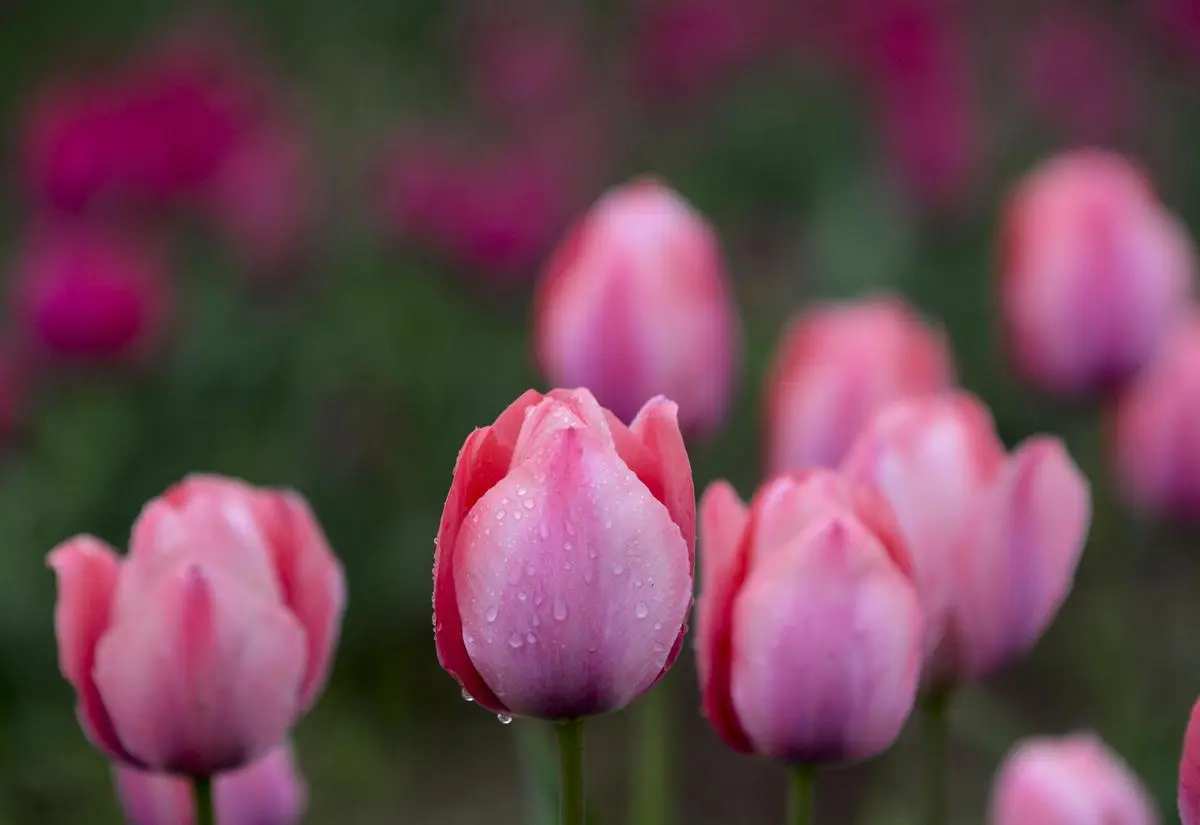
Kashmir Tulip Self Reliance Gains Momentum

Kashmir Tulip Self Reliance is becoming a major step for India as the country moves to reduce dependence on imported tulip bulbs. A new initiative in Kashmir aims to build a strong local supply chain for tulip cultivation. With rising demand for ornamental flowers and tourism, this project is very important for the region’s agriculture.
Thank you for reading this post, don't forget to subscribe!Kashmir Tulip Self Reliance Centre at Sagam
The Sher-e-Kashmir University of Agricultural Sciences and Technology is setting up a Centre of Excellence for Tulip and Bulb Production. This centre is located at the Mountain Crop Research Station in Sagam, Anantnag, about 76 km from Srinagar.
The main aim of this centre is to support research and large-scale production of tulips that can grow well in Indian conditions.
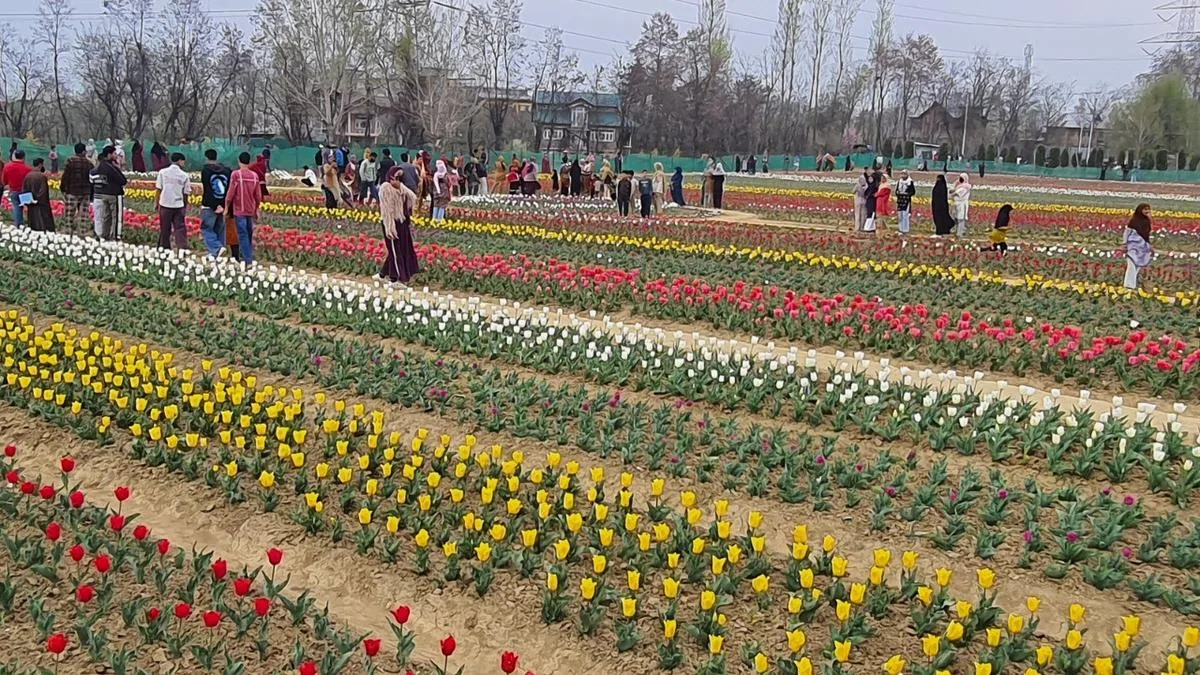
Focus on Local Bulb Production
Under the Kashmir Tulip Self Reliance plan, scientists are working to produce high-quality tulip bulbs within India. This will help reduce the need for expensive imports.
By developing local varieties, farmers can get better results even with changing weather conditions. It will also improve the overall quality and consistency of tulip production.
Funding and Infrastructure Support
The project covers around 407 kanals of land and has received financial support of ₹8 crore from the National Bank for Agriculture and Rural Development.
This funding is being used to build research facilities, improve land, and develop proper infrastructure. The goal is to make tulip farming more sustainable and cost-effective in the long run.
Economic and Tourism Benefits
Kashmir Tulip Self Reliance is expected to boost the floriculture sector in Jammu and Kashmir. It will also support tourism, especially during the tulip season in Srinagar.
Local farmers can benefit from new job opportunities and higher income. Over time, India may become a strong player in the global flower market through such initiatives.